
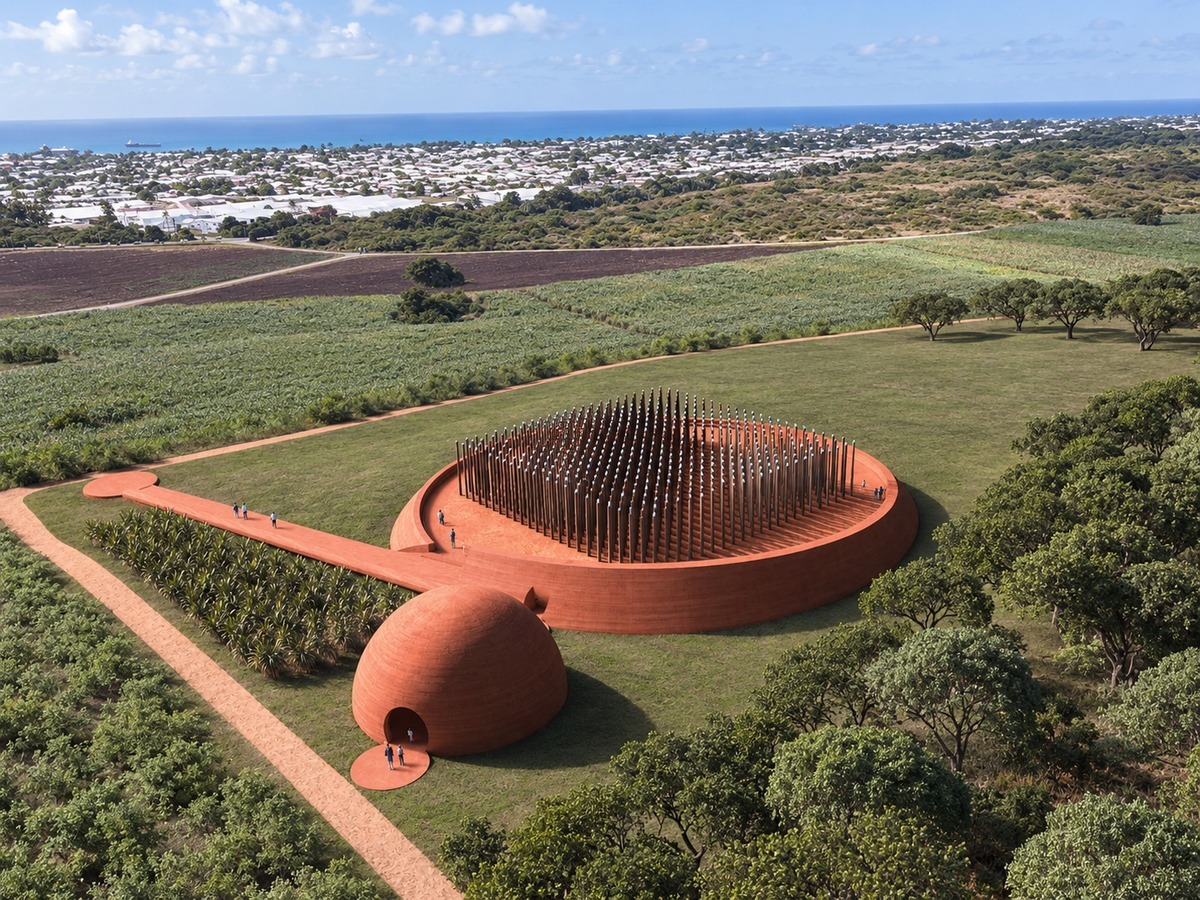
A quiet site at Newton in Christ Church preserves one of the most important archaeological records of slavery in Barbados and the wider Western Hemisphere. The Newton Enslaved Burial Ground contains the remains of hundreds of enslaved men, women and children who lived and died within Barbados’ plantation system, turning an otherwise unassuming piece of land into a powerful place of memory.
The Barbados Museum & Historical Society describes Newton as the largest and earliest undisturbed sugar plantation communal burial ground for enslaved people discovered in the Western Hemisphere. Archaeological work at Newton began in the 1970s, and research at the site has since contributed significantly to historians’ understanding of the experiences of enslaved people in Barbados.
Unlike plantation great houses, mills and other surviving structures that often document the lives and businesses of estate owners, Newton provides evidence connected directly to people whose individual stories were rarely preserved in conventional written records. Archaeological and anthropological research has helped scholars examine burial practices, diet, working life, identity and elements of cultural and spiritual expression among the enslaved community associated with the plantation.
Historical records also make Newton especially valuable. The Barbados Museum has noted that Newton and nearby Seawell are among the island’s better-documented plantations. When combined with archaeology, surviving records allow researchers to explore subjects including work regimes, family life, resistance, plantation management and the changing ownership of the property from the seventeenth century onward.
The burial ground also illustrates how archaeology can recover history from landscapes that may initially appear ordinary. The Barbados Museum says the property contains almost 600 burial sites and was bequeathed to the institution in 1993. The Museum has committed itself to protecting and interpreting the location as a site of memory for generations of enslaved people and their descendants.
Interest in Newton has continued well beyond the original excavations. In 2024, the Barbados Museum & Historical Society launched a lecture series titled Newton Uncovered, bringing together seminars and tours intended to expand public understanding of the burial ground and improve access to its history. Museum officials have emphasised that information recovered from both archaeology and archival documents can help place enslaved Barbadians at the centre of the national story rather than treating them merely as anonymous labour within the sugar economy.
Newton therefore represents far more than an archaeological discovery. It is physical evidence of generations whose labour helped shape Barbados while many of their names and personal histories disappeared from the surviving documentary record. By preserving the burial ground and continuing research around it, historians and heritage organisations are building a fuller picture of Barbadian history from evidence left both in archives and beneath the soil.