

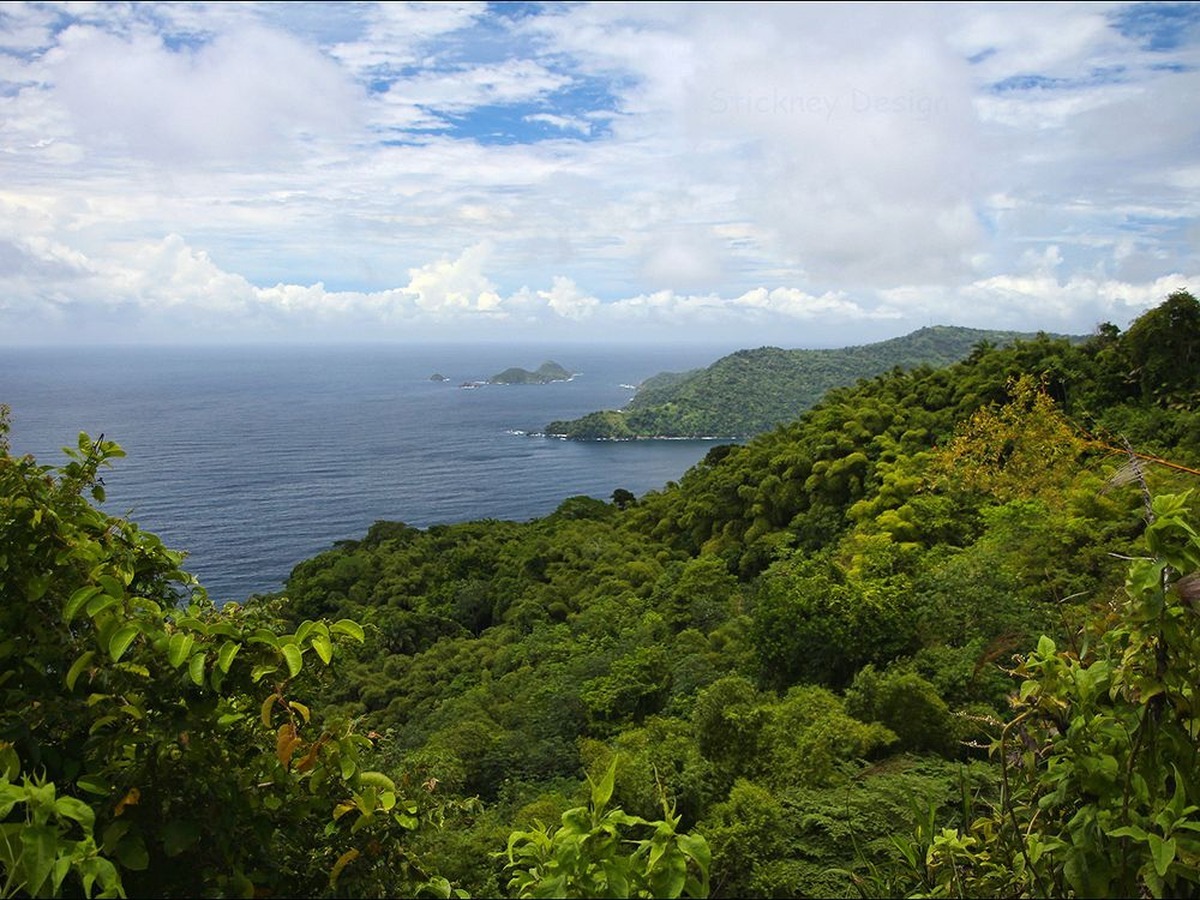
Tobago’s Main Ridge Forest Reserve is often celebrated for birds, waterfalls and rainforest trails, but its most surprising feature may be the date attached to its protection: 1776. Long before conservation became a modern political movement, Tobago passed a law intended to keep a large tract of mountain forest from being sold or cleared.
Tobago’s official tourism history says the legislation was passed on April 30, 1776. Its purpose was practical as well as environmental. The law sought to preserve mountainous forest so it could continue attracting rain, which was considered essential to the fertility and productivity of the island’s land.
That reasoning makes Main Ridge remarkable in environmental history. Tobago’s tourism authorities describe the measure as the first law of its kind in the Western legal system and the reserve as the oldest legally protected forest reserve created specifically for conservation purposes. The decision came at a time when colonial economies generally valued forests as land to be cleared for plantations, timber and immediate commercial gain.
One figure linked to the campaign was British parliamentarian Soame Jenyns. According to Tobago’s official account, Jenyns was influenced by the work of scientist Stephen Hales, whose studies helped advance understanding of the relationship between vegetation and water. Jenyns argued that clearing Tobago’s highlands could damage rainfall and ultimately undermine the island’s agricultural future.
The proposal did not move quickly. Plantation interests resisted restrictions on potentially profitable land, and the issue was debated for years before protection was secured. Tobago’s account says the process lasted about 11 years, showing that one of the Caribbean’s earliest conservation decisions was also an argument about short-term profit versus long-term environmental security.
The reserve’s protection survived changing governments, colonial regimes and economic priorities. Today, removing or destroying flora and fauna within the reserve remains prohibited. The forest is also an important part of Tobago’s nature tourism, with routes such as Gilpin Trace drawing hikers and birdwatchers into the island’s mountainous interior.
In 2026, Tobago marked 250 years since the reserve’s protection, including a time capsule ceremony at the Main Ridge Forest Reserve Orientation Centre. The anniversary highlighted how an 18th-century law continues to shape the island’s identity in the 21st century.
Main Ridge is therefore more than a scenic attraction. Its history shows that people were debating forests, rainfall, land use and future generations centuries before phrases such as climate resilience and sustainable development entered everyday language. For Trinidad and Tobago, the reserve represents an unusually early example of environmental policy whose basic logic still feels modern: destroying a natural system for immediate gain can create costs that last far longer than the profits.