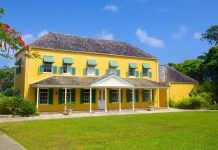

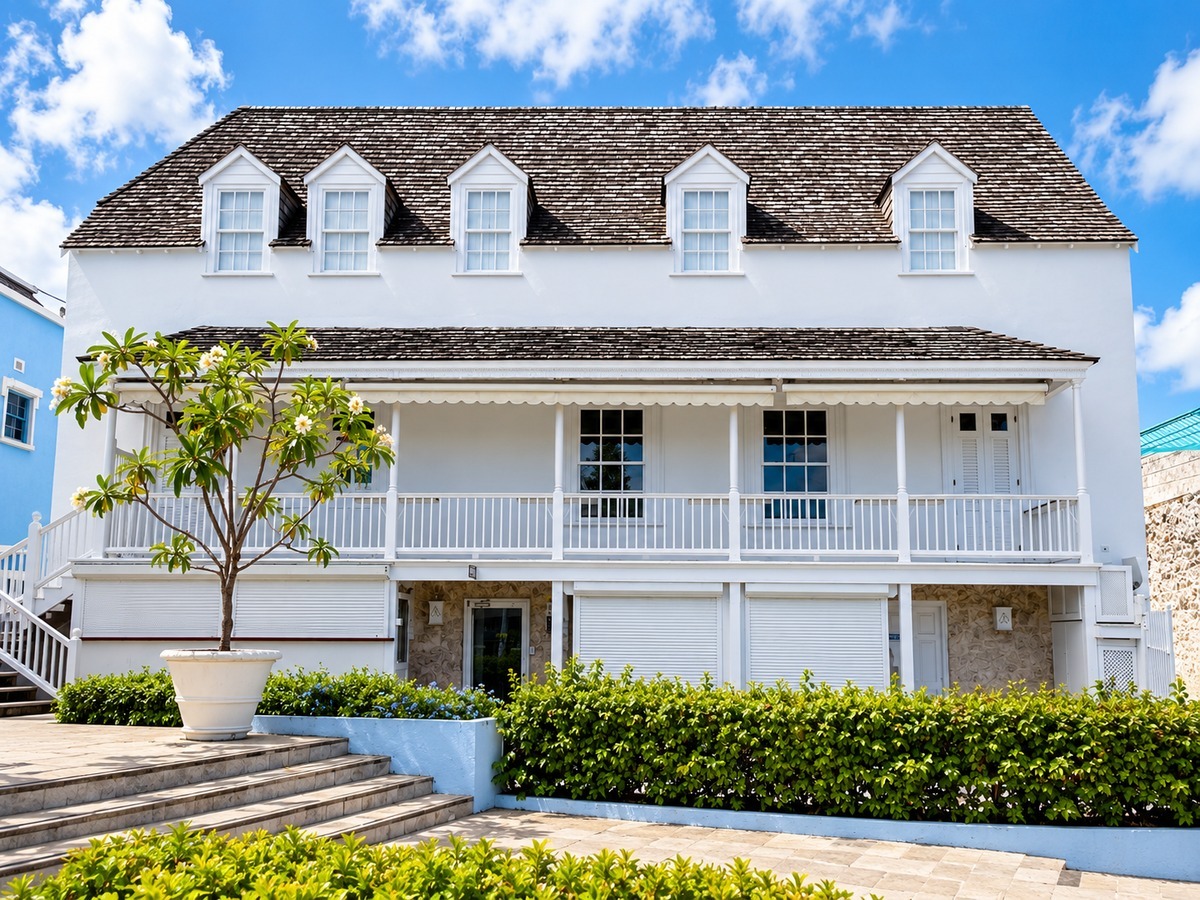
In the heart of Speightstown, one of Barbados’ oldest towns, a restored eighteenth-century merchant house offers a rare window into the island’s commercial, colonial and maritime past. Arlington House Museum stands on Queen Street in St Peter, occupying a building that once belonged to generations of the Skinner family, prominent traders in a town that grew around shipping, sugar and commerce.
The Barbados National Trust describes Arlington House as a three-storey interactive museum dedicated to telling the story of Barbados and Speightstown between the eighteenth and twentieth centuries. Its exhibits are organised around three themes: Speightstown Memories, Plantation Memories and Wharf Memories. Together, they explore early settlement, the plantation economy, sugar production and the town’s importance as a port and trading centre.
The building itself is as important as the exhibits. According to the National Trust, Arlington House became a model for other merchant homes in eighteenth-century Speightstown. Its architecture reflects the practical needs of a trading town where merchants lived and conducted business close to the waterfront. Similar historic buildings remain along Queen Street, creating one of the most recognisable surviving streetscapes in northern Barbados.
Speightstown’s history stretches well beyond the house. The town was established during the seventeenth century and became an important northern port, with ships trading between Barbados and England. Visit Barbados notes that the area was also defended by coastal forts, remnants of a period when control of the island was contested during the English Civil War era. Cannons and traces of those defensive positions remain part of the town’s historic landscape.
One of the most intriguing wider connections linked to Speightstown and Barbados is the island’s influence on the early English settlement of the Carolinas. Visit Barbados notes that Barbadian migration helped carry architectural traditions and elements of the island’s colonial plantation system to South Carolina. That connection forms part of a much larger historical relationship between Barbados and Charleston, where Barbadian settlers played an important role in the colony’s early development.
Arlington House survived long enough to tell those stories only because it was restored. The Barbados National Trust says the structure had deteriorated badly before being rescued and rehabilitated. Rather than turning it into a static collection of objects, the museum was designed around audio-visual and interactive displays intended to make the history of the town accessible to visitors of different ages.
Its three floors therefore function as more than a preserved residence. They link the fortunes of merchants to the sugar economy, the waterfront to international trade, and the streets of modern Speightstown to a much older Caribbean commercial network.
For Barbadians, Arlington House represents a surviving piece of a town that once played an outsized role in the island’s economic life. Its preservation also shows how individual buildings can help explain much larger stories about trade, migration, architecture and the forces that shaped Barbados over several centuries.