
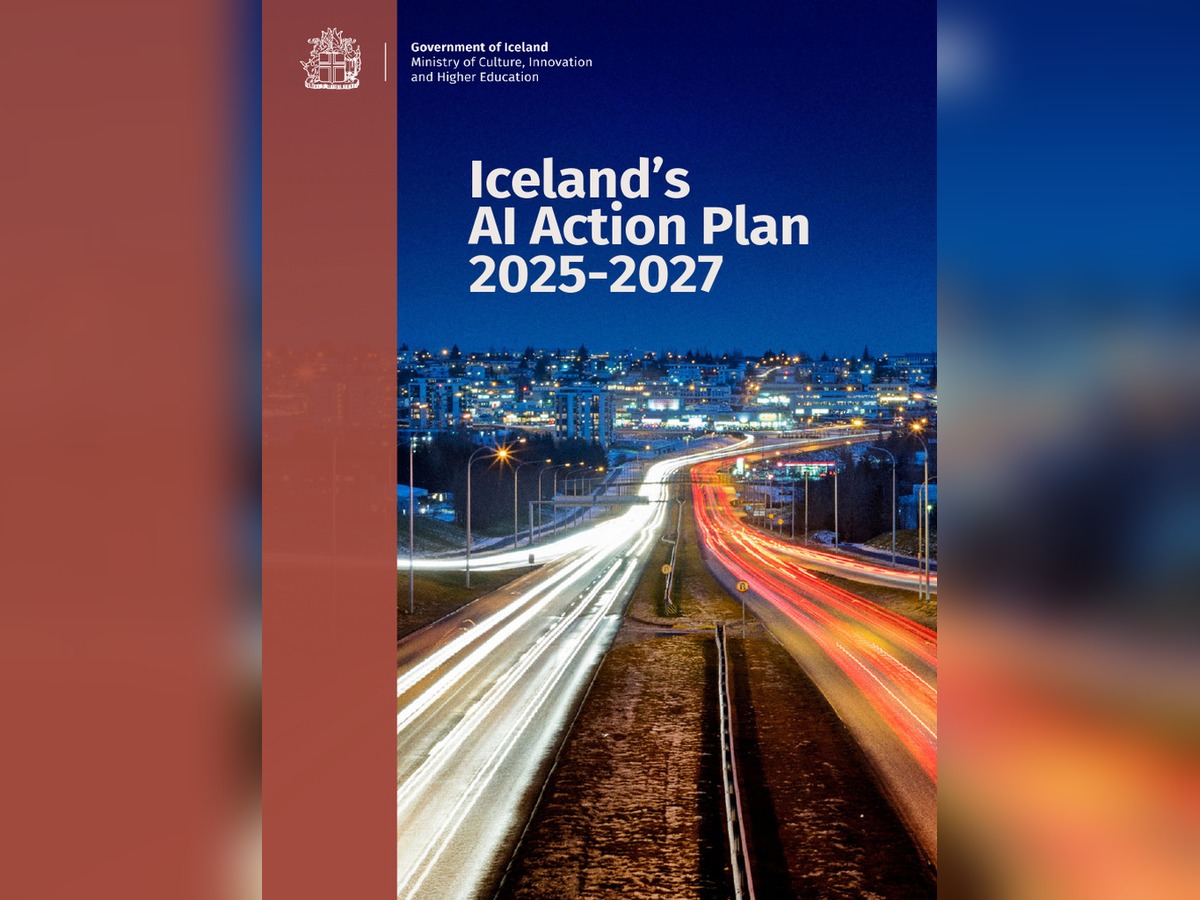
Iceland is considering artificial intelligence and translations of foreign textbooks as options for developing teaching materials, but the proposals do not yet establish what schools will receive or whether families could reuse older editions.
According to Iceland Review, education minister Inga Sæland discussed the possibilities in comments reported by Vísir on 17 October, following a cabinet meeting the previous day. She said the allocation of teaching-materials funding had not been finalised. AI-assisted preparatory work and translation were possibilities under consideration, rather than an approved national production programme.
The financial distinction is substantial. Iceland Review reports that, during a parliamentary budget debate on 10 September, the minister described a proposed ISK 675 million total for teaching materials and science, technology, engineering and mathematics education in 2027.
Within that proposal, ISK 455 million was for teaching materials: ISK 380 million for compulsory schools and ISK 75 million for upper-secondary schools. A further ISK 220 million was intended for STEM subjects. The combined amount therefore cannot accurately be described as a dedicated AI budget.
For teachers and families, the unresolved issue is what those resources would produce. The options described in the report do not establish a timetable, a selected supplier or a final method for using AI in materials development. Nor does the account provide evidence about how frequently textbook editions change, what families spend on replacements or whether earlier editions remain compatible with classroom teaching.
That leaves the question of repeated textbook purchases open. The reported funding proposal supports scrutiny of how new materials will be developed and delivered, but it does not support a conclusion that Icelandic families are being made to buy unnecessary editions.
The next meaningful details would be the allocation decisions and the materials selected for classrooms. Until those are specified, the evidence establishes a set of production options and a proposed budget—not a settled answer about textbook replacement or household savings.