
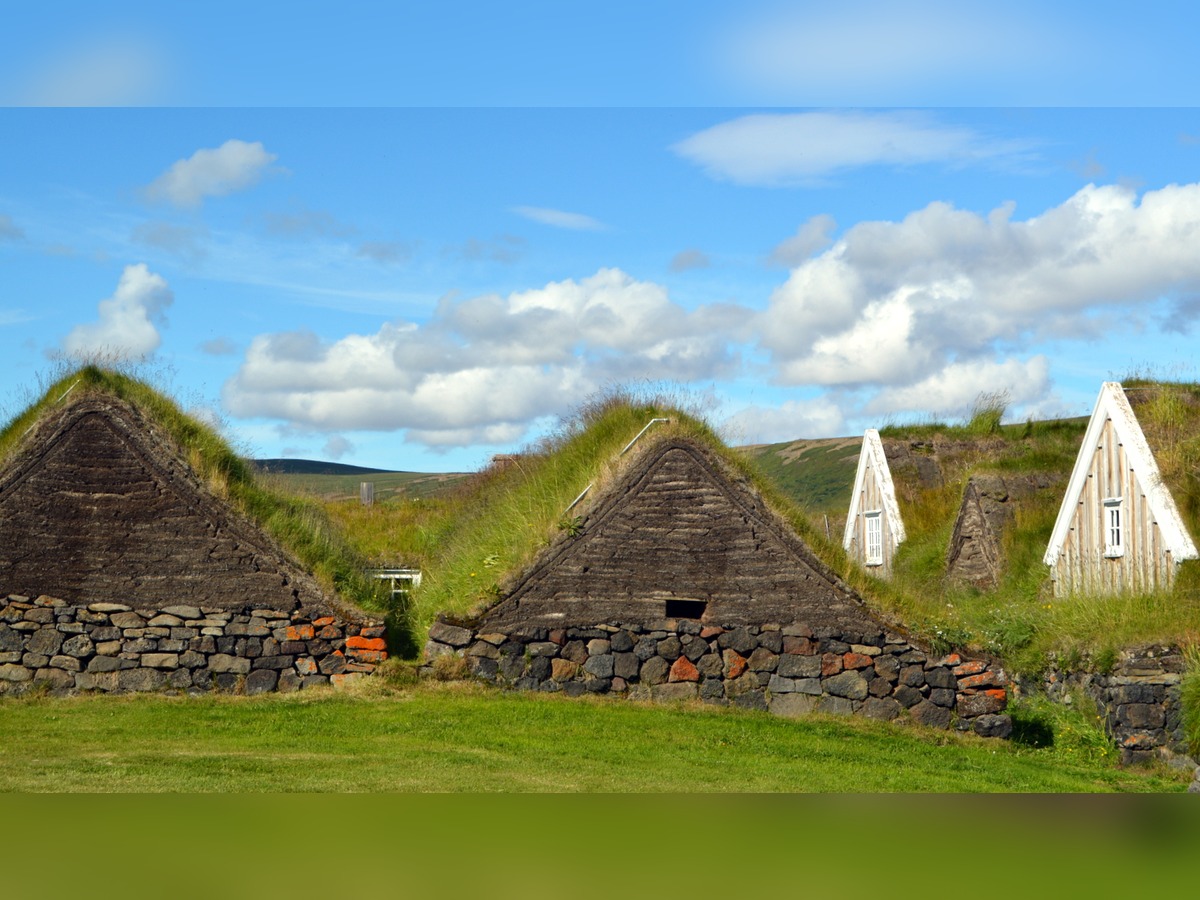
At Þingvellir, the physical traces of Iceland’s early national assembly include fragments of around 50 booths built from turf and stone. These remains connect the landscape to an institution that met here for centuries.
UNESCO’s account of the national park records that the Althing was established at Þingvellir in 930 and continued meeting there until 1798. It was an open-air assembly representing the whole of Iceland, with an annual gathering lasting about two weeks.
During those sessions, the assembly made laws and settled disputes. UNESCO describes the laws as a covenant between free men and emphasises the site’s deep historical and symbolic associations for Icelanders.
The surviving booths form part of that historical record, but the visible remains do not tell the entire story. UNESCO says remains dating from the 10th century are thought to survive underground. That distinction matters: the possibility of early buried remains is part of the site’s archaeological significance, rather than a claim that every surviving structure dates to the assembly’s founding.
Þingvellir also preserves evidence of activities beyond parliamentary gatherings. Agricultural remains from the 18th and 19th centuries form part of the protected property, showing another chapter in the use of the landscape.
Taken together, the assembly remains and agricultural traces document roughly a millennium of human management. Þingvellir’s historical importance lies both in the institution that gathered there and in the material evidence left across the ground it occupied.