Deep in Albania’s rural heartland, the Mallakastra Regional Archaeological Project (MRAP) has been quietly rewriting the story of the Illyrians—the ancient tribes who once dominated the Balkans before Roman conquest. Launched in 1998 as a collaboration between Albania’s Institute of Archaeology (Tirana) and the University of Cincinnati, MRAP is one of the most ambitious surveys of its kind in the Mediterranean.
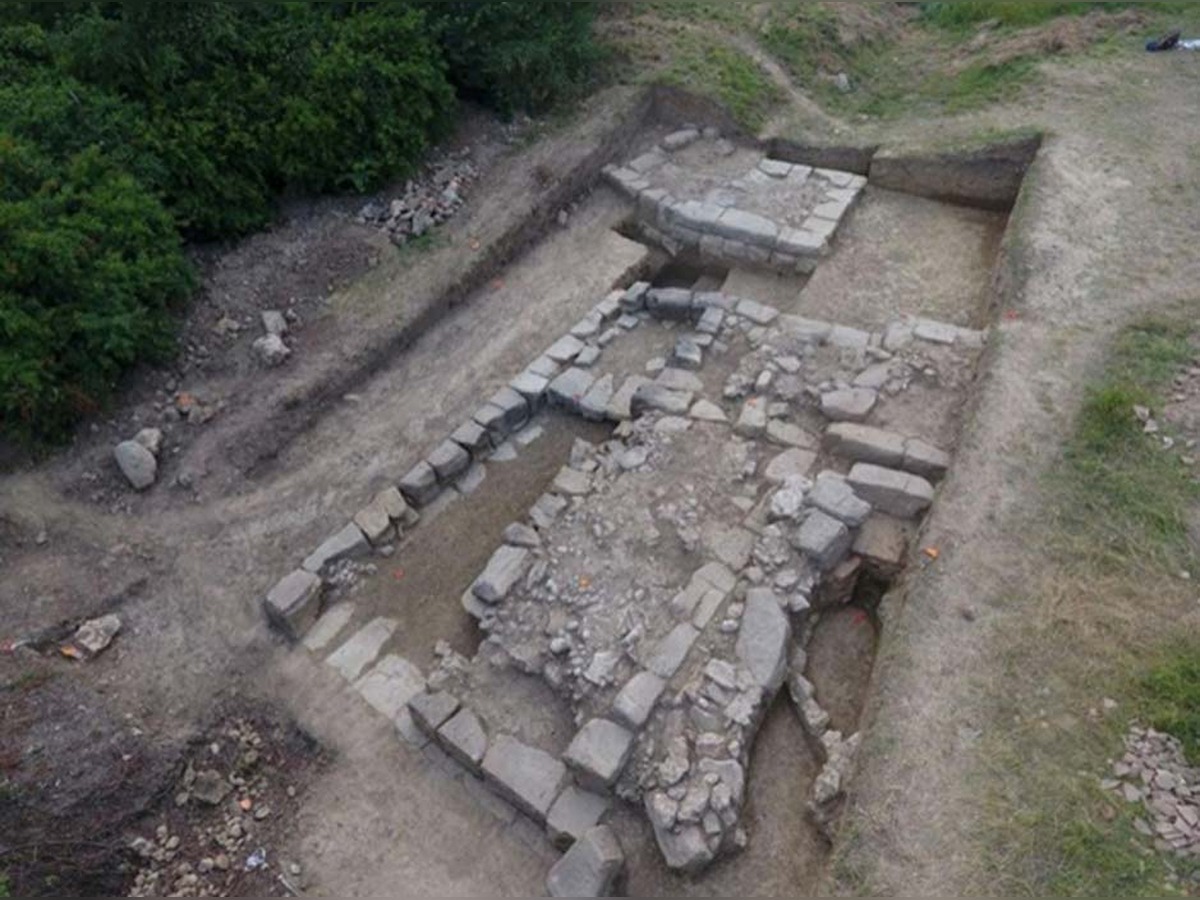
What makes Mallakastra unique? Unlike Greece or Italy, where intensive agriculture and tourism have altered landscapes, Albania’s countryside remains largely untouched by modern development. This preservation has allowed archaeologists to apply modern survey techniques—such as systematic grid mapping and remote sensing—to uncover thousands of previously unknown sites. In just a few seasons, MRAP has identified hundreds of settlements, cemeteries, and fortifications, some dating back to the Palaeolithic era (50,000+ years ago).
One of MRAP’s key focuses is the interaction between Illyrians and Greek colonists, a dynamic that shaped Albania’s early history. While Greek city-states like Apollonia and Dyrrachium (modern Durrës) flourished along the coast, inland Illyrian tribes maintained distinct cultures. By mapping settlements across Mallakastra, researchers aim to understand how these two worlds clashed, traded, and sometimes merged—offering new insights into colonialism in the ancient Mediterranean.
The project’s methods are groundbreaking. Instead of focusing only on grand sites like royal tombs or temples, MRAP examines smaller, everyday settlements—farmsteads, workshops, and rural villages—to reconstruct daily life. For example, a cluster of 4th-century BC pottery shards near a remote hilltop suggests a thriving Illyrian community, while Roman-era coins hint at later economic shifts. These discoveries challenge traditional narratives that portray the Illyrians as merely ‘barbarian’ opponents of Rome.
MRAP’s work extends beyond excavation. By creating a comprehensive inventory of Albania’s archaeological sites, the project helps guide future protections, ensuring that these treasures aren’t lost to looting or urban sprawl. With Albania’s tourism industry growing, such research is more urgent than ever.
For those fascinated by Albania’s past, MRAP’s findings remind us that the country’s history is far richer than its ancient coins and ruins suggest. Beneath its fields and forests lie the stories of hunters, farmers, and warriors—waiting to be told.