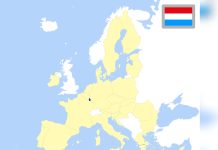
Luxembourg’s handling of Russian oligarch Mikhail Fridman’s $16 billion compensation claim remains under fire, with opposition MP Franz Fayot criticising the government’s communication and legal approach. Fridman, whose assets were frozen under EU sanctions, has since been removed from the sanctions list, but Fayot warns this does not necessarily resolve the arbitration case. The government assumes the legal basis no longer exists, but he describes the situation as unresolved, with no guarantee of closure.
Speaking on RTL, Fayot highlighted Prime Minister Luc Frieden’s brief responses in a parliamentary committee, including a lack of clarity on potential contacts with Fridman’s legal team. The LSAP MP has requested access to the government’s legal opinions, arguing decisions cannot be made arbitrarily. He also accused the government of being unaware of a ‘No-Claims’ provision in the EU’s 18th sanctions package, which could have shielded Luxembourg from such lawsuits.
Fayot, whose party opposed removing Fridman from the sanctions list, argues the move undermines EU solidarity with Ukraine and sends a dangerous signal to Eastern European allies. He dismisses Fridman’s claim as exaggerated, estimating his assets at €5–6 billion, but warns Luxembourg is surrendering a key bargaining chip by unfreezing them. The claim amounts to roughly half of Luxembourg’s annual state budget, suggesting a deliberate tactic to leverage pressure.
The MP calls for a European discussion on collective liability, arguing that if sanctions are decided jointly, EU solidarity must extend to compensation claims. He cites Belgium’s Euroclear case as a precedent, warning small financial hubs like Luxembourg are vulnerable to such legal actions. Fayot also criticises the government’s stance on Israel, urging stronger national measures, including an arms embargo and sanctions against illegal settlements in the West Bank and East Jerusalem.
On the draft national budget, Fayot questions how the government plans to balance rising deficits with promised investments and tax reforms, warning excessive spending now could lead to austerity measures later.