The United Nations’ human rights chief, Volker Türk, met Icelandic political leaders in Reykjavík to discuss international conflicts, democratic institutions and the protection of human rights, according to Iceland Review. The talks covered Ukraine, Palestine, Iran, Afghanistan and Sudan, as well as the importance of international law.
Türk met Foreign Minister Þorgerður Katrín Gunnarsdóttir, Prime Minister Kristrún Frostadóttir, Justice Minister Þorbjörg Sigríður Gunnlaugsdóttir and members of Parliament’s Foreign Affairs Committee. The discussions brought international human rights concerns into focus alongside Iceland’s own commitments and domestic policies.
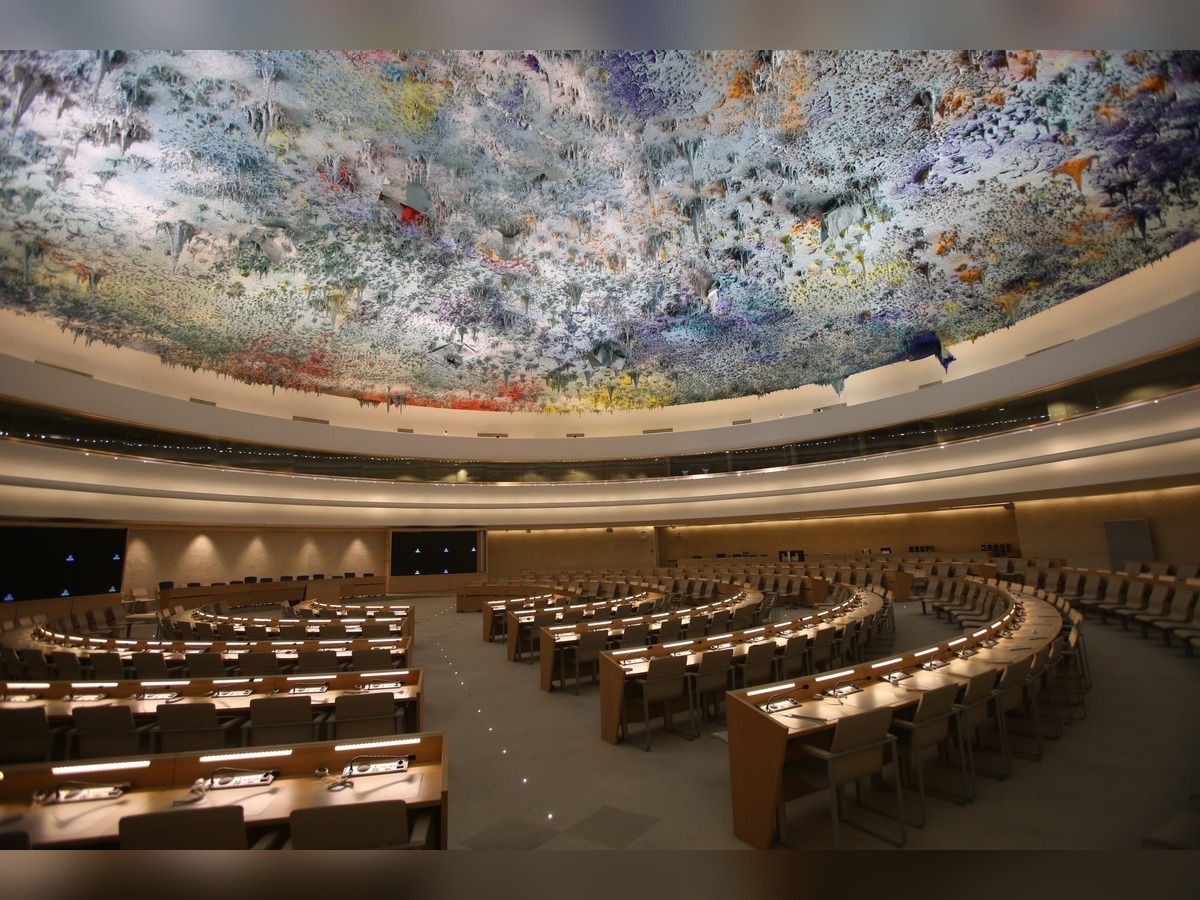
The visit has a direct institutional connection to Iceland’s role in the United Nations. The country holds a seat on the UN Human Rights Council for the 2025–2027 term and has a core-funding agreement with the Office of the UN High Commissioner for Human Rights that runs through 2028. These existing commitments provide the concrete context for the discussions between Türk and Icelandic officials.
Foreign Minister Gunnarsdóttir said the talks addressed deteriorating human rights conditions in Ukraine, Palestine, Iran, Afghanistan and Sudan. They also examined the need to defend democratic institutions and international law. The meeting therefore addressed both specific international crises and the broader principles underpinning Iceland’s engagement with multilateral human rights institutions.
The visit also covered Iceland’s domestic human rights responsibilities. Justice Minister Gunnlaugsdóttir discussed the country’s human rights position, including the government’s 2026–2030 plan against gender-based violence. Another important item was Iceland’s next Universal Periodic Review, scheduled to take place in Geneva in January 2027.
The Universal Periodic Review is a United Nations process through which the human rights records of UN member states are examined. Iceland’s forthcoming review means the country will face an international assessment of its own record while continuing to participate in wider human rights diplomacy.
Türk also participated in the Reykjavík Imagine Forum and a round-table discussion at the presidential residence. His meetings with Icelandic leaders thus extended beyond individual conflicts to include democratic governance, international law and the country’s domestic policy commitments.
For Iceland, the documented significance of the visit lies in its ongoing participation in the UN Human Rights Council, its funding agreement with the High Commissioner’s office and its approaching international review. The January 2027 assessment will provide the next scheduled opportunity for Iceland’s human rights record to be examined through the UN process.