In 1800, three-quarters of Luxembourg was forested. Today, only one-fifth remains—a dramatic decline driven by war, industrialisation, and human demand. The story of Luxembourg’s disappearing woods is one of resilience, exploitation, and gradual recovery.
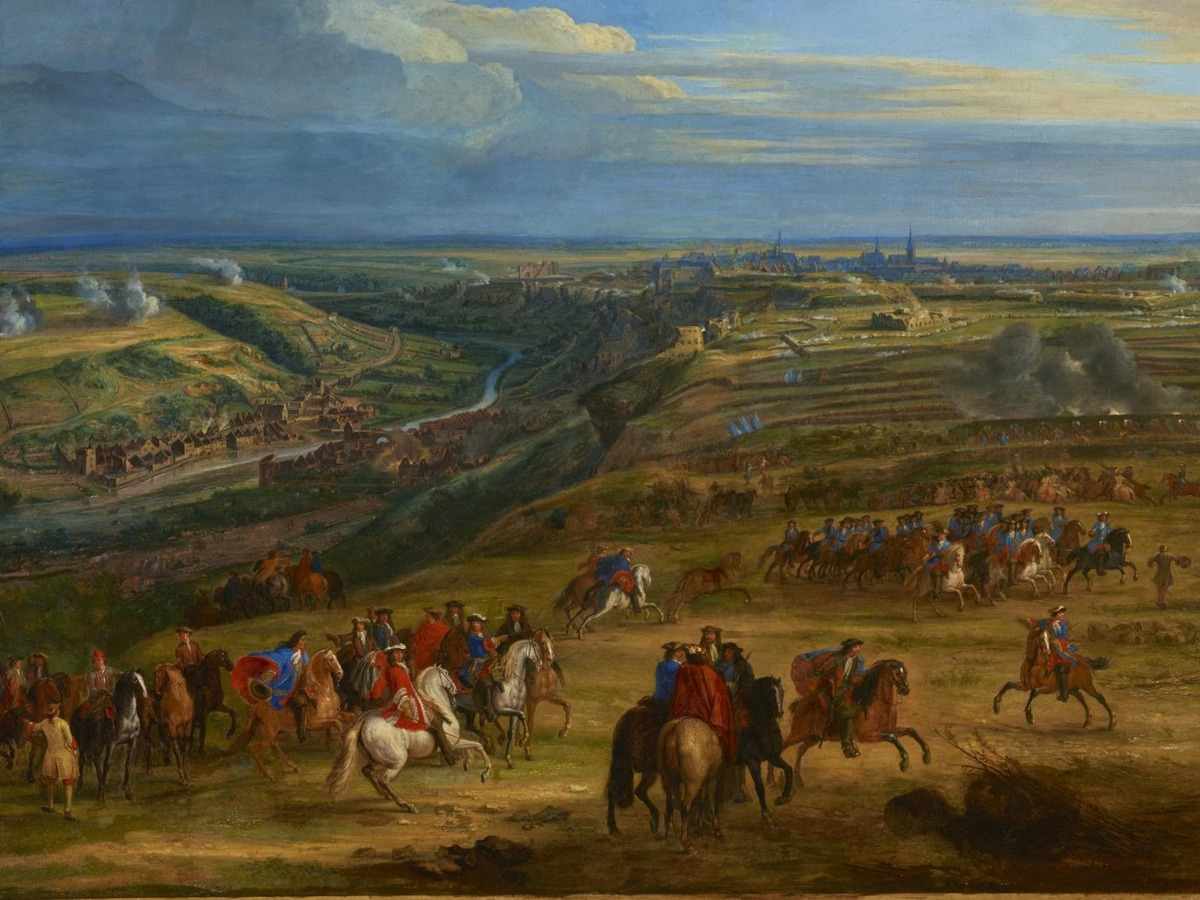
The first major blow came during the Napoleonic Wars (1803–1815), when French forces stripped Luxembourg’s forests for timber and fuel. But the real devastation occurred in the 20th century. During World War II, German occupiers seized an estimated 1.2 million cubic metres of wood annually, leaving vast tracts denuded. Even after the war, Luxembourg’s post-industrial boom—fuelled by iron and steel production—continued the destruction. By the 1950s, only 20% of the country’s original forest cover remained.
The ecological cost was severe. The International Union for Conservation of Nature (IUCN) later identified multiple threatened species in Luxembourg, including the spotted eagle, southern damselfly, and great snipe—all linked to the loss of their forest habitats. The Oesling region in northern Luxembourg, once a dense woodland, became a patchwork of clearings and farmland, its poor soil making reforestation difficult.
Yet Luxembourg has fought back. Since the 1980s, afforestation programmes have slowly reversed the trend. Today, the country’s forests are a mix of native species—oak, beech, pine, and chestnut—alongside replanted conifers. The government’s Ministry of the Environment now monitors emissions and biodiversity, with strict protections for remaining old-growth stands.
The legacy of deforestation lingers, however. Luxembourg’s Bon Pays (fertile southern lowlands) thrives on the cleared land, while the Oesling’s rugged terrain preserves fragments of the past. For environmentalists, the story is a cautionary tale: progress often comes at nature’s expense, but with policy and persistence, some losses can be undone.