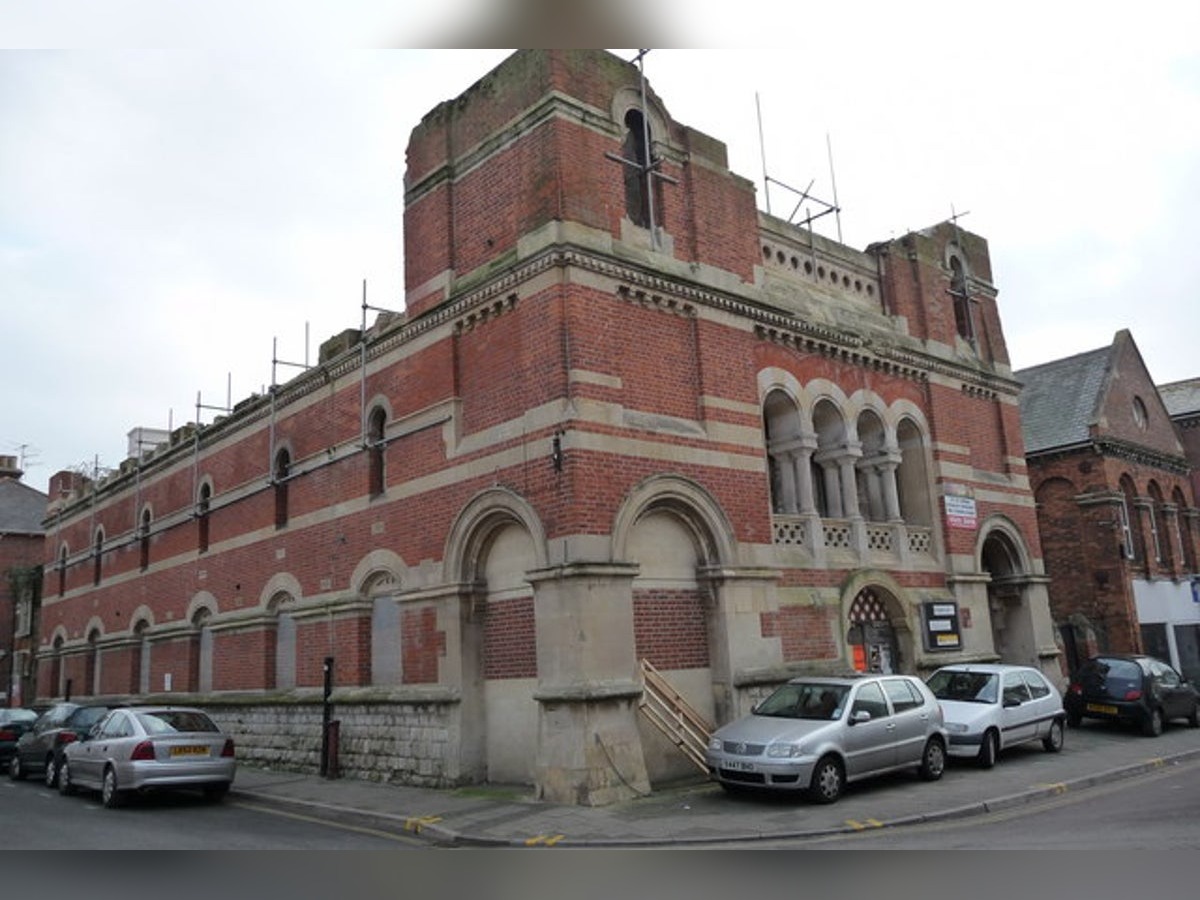
The United Kingdom is home to an extraordinary 496,000 listed buildings, along with 28 UNESCO World Heritage Sites, 1,600 registered parks and gardens, and 20,000 scheduled monuments. This vast heritage—ranging from prehistoric sites like Stonehenge to post-war architecture—represents a cultural and economic treasure. Yet, preserving it is a growing challenge, with questions lingering over sustainability, funding, and the long-term viability of these assets.
The economic value of built heritage is often underestimated. A 2010 report by the Heritage Lottery Fund and VisitBritain estimated that heritage-related tourism contributed £12.4 billion annually to the UK economy, with £7.3 billion attributed to built heritage alone. However, critics argue that this figure may be inflated, as it includes natural heritage like the Lake District and Dartmoor. Even so, the sector’s economic impact is undeniable, supporting jobs in tourism, conservation, and local businesses.
Despite this, the lack of academic research on the economics of heritage conservation remains a hurdle. Most studies focus on justifying government spending rather than exploring sustainable business models for heritage sites. Organisations like the National Trust and English Heritage conduct valuable research, but gaps persist—particularly in understanding how to fund the upkeep of lesser-known sites facing market failure.
Dame Jenny Abramsky, former Chair of the Heritage Lottery Fund, highlighted the issue: ‘The important economic contribution of the heritage sector has not been understood sufficiently, partly due to the lack of data.’ While initiatives like the Heritage Lottery Fund have provided crucial funding, the long-term sustainability of Britain’s built heritage depends on innovative financing, public-private partnerships, and greater awareness of its economic and cultural worth.
The dilemma is clear: how does one balance the preservation of irreplaceable structures with the financial realities of maintenance? From stately homes to industrial mills, the UK’s heritage is a patchwork of history—but without proactive measures, some of its most iconic sites may slip through the cracks.