

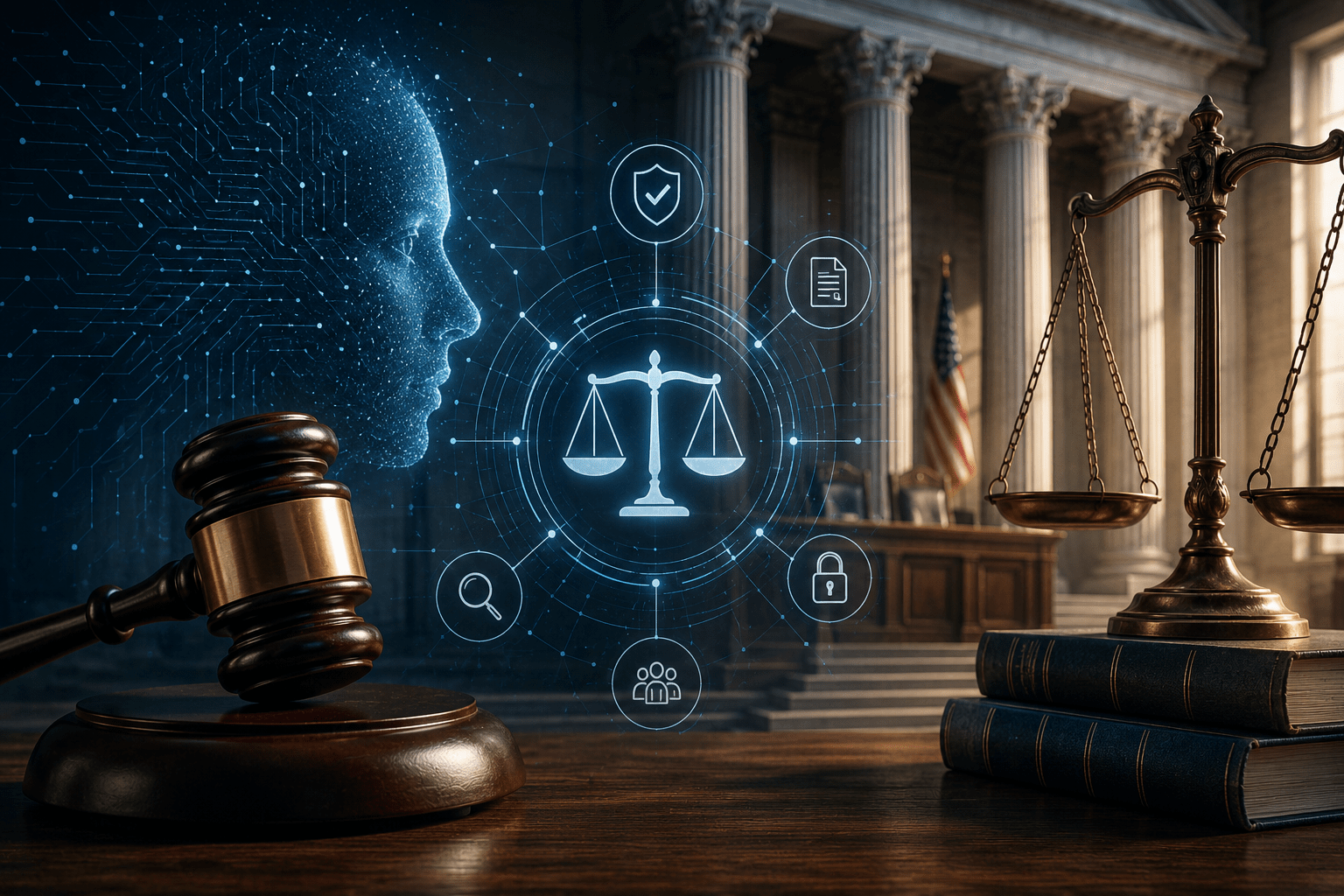
A groundbreaking directive in Trinidad and Tobago’s legal system is causing a stir among legal professionals. Lawyers are now required to disclose any use of Artificial Intelligence (AI) in court proceedings. The recent court reforms, introduced by Chief Justice Ronnie Boodoosingh, mandate transparency about AI involvement in legal practices, sparking debates about its role in the justice system.
The primary contention revolves around whether AI should merely assist or potentially replace human judgment in legal matters. Some legal experts argue that AI can enhance accuracy and efficiency, while others caution against over-reliance on technology, fearing it could undermine the essential human judgment that the legal profession relies on.
The ethical implications are at the forefront of these discussions. Proponents suggest that AI could aid in managing administrative tasks, thus allowing lawyers to focus on critical thinking and complex decision-making. However, critics warn that the use of AI must be transparent and ethically guided to avoid bias and preserve the integrity of justice.
Chief Justice Boodoosingh underscored the importance of maintaining accountable and professional ethics within the judiciary. He emphasized that the latest reforms are not about whether to use AI, but how to use it responsibly as a tool to support, rather than replace, human decision-making.
As the legal community navigates these changes, the discourse around AI’s place in the legal domain is expected to continue. Legal authorities advocate for a balanced approach that respects the traditions of the legal process while integrating modern technologies.