

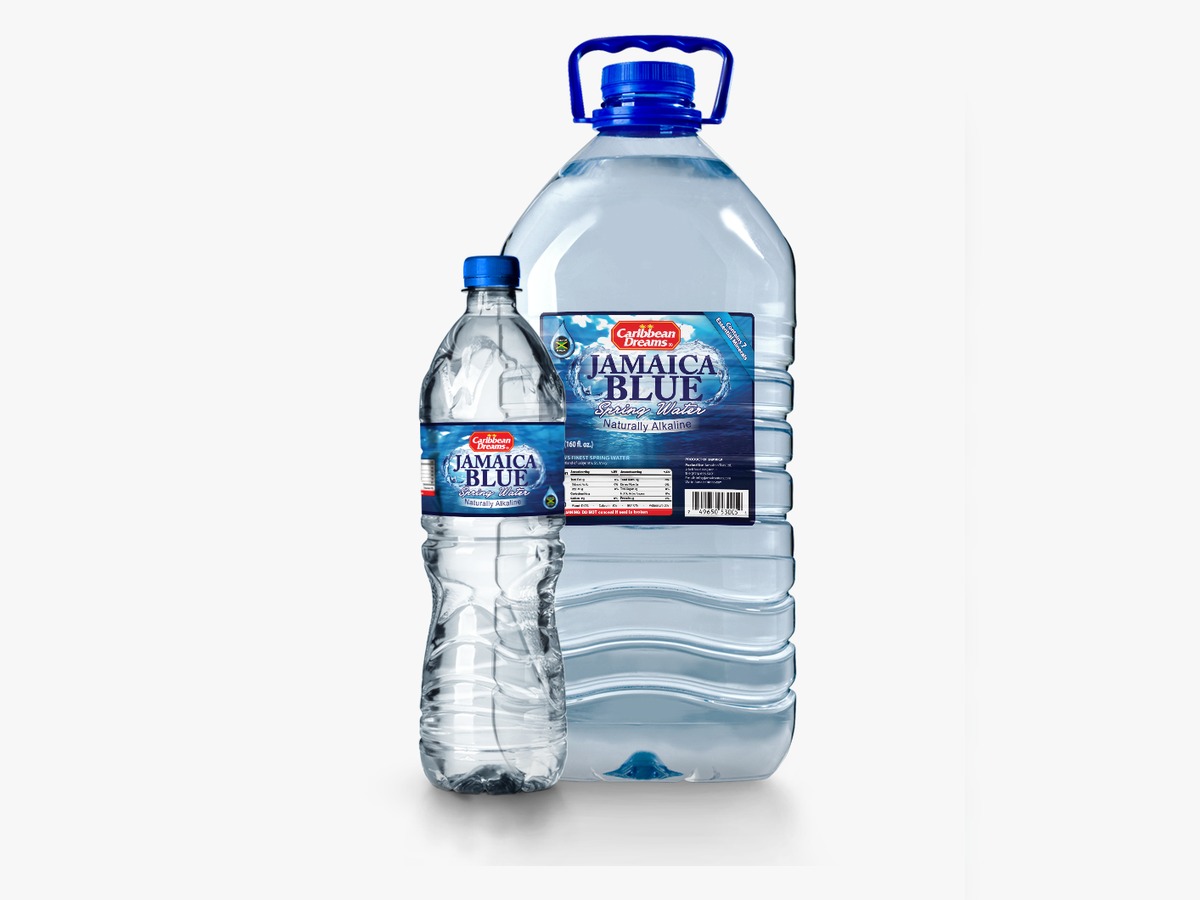
Whether Jamaica could replace imported bottled water cannot be settled by judging the taste of local brands. Reporting by the Jamaica Observer on October 9, 2024, highlights a more immediate issue: the testing, sanitation and handling needed to establish whether drinking water is safe.
In the report, Scientific Research Council executive director Dr Charah Watson urged bottled water producers and refill stations to maintain rigorous testing. Her comments followed consumer enquiries to the council about bottled water and water supplied by refill businesses.
Watson said most locally bottled water was of high quality and met safety requirements. She also explained that differences in flavour could result from manufacturers adding or removing minerals, or from different chlorine levels. A bitter or salty taste could prompt a complaint without, by itself, establishing that the water was unsafe.
The distinction matters because sensory impressions and microbiological testing answer different questions. Watson explained that bottled water is not sterile and that safety assessment involves its microbial content and compliance with potable-water standards.
According to the report, the SRC tests water for several companies, including refill stations, but confidentiality agreements prevent it from disclosing information about individual businesses. Bottlers are informed when results fall below required levels, and technical support is available to help identify problems and restore compliance.
Refill stations also require attention to equipment and packaging. The report describes their short processing-to-sale interval as a potential advantage, provided proper cleaning and handling procedures are followed. Packaging breaches and inadequately sanitised machinery can still create opportunities for microbial growth. The council therefore recommended regular water testing and effective quality-control programmes.
Consumers have a role too. Watson advised checking labels for manufacturer contact details and seeking information directly from producers. If those channels fail, she identified Consumer Affairs and the Ministry of Health as further avenues for enquiries.
These findings support scrutiny of how locally supplied water is tested and handled. They do not establish whether Jamaica could meet all demand without imports: the report provides no import volumes, production-capacity figures, price comparisons or assessment of packaging’s environmental effects. Its contribution to that wider question is narrower but useful—confidence in a replacement supply requires evidence of safety, rather than assumptions based on taste or origin.