

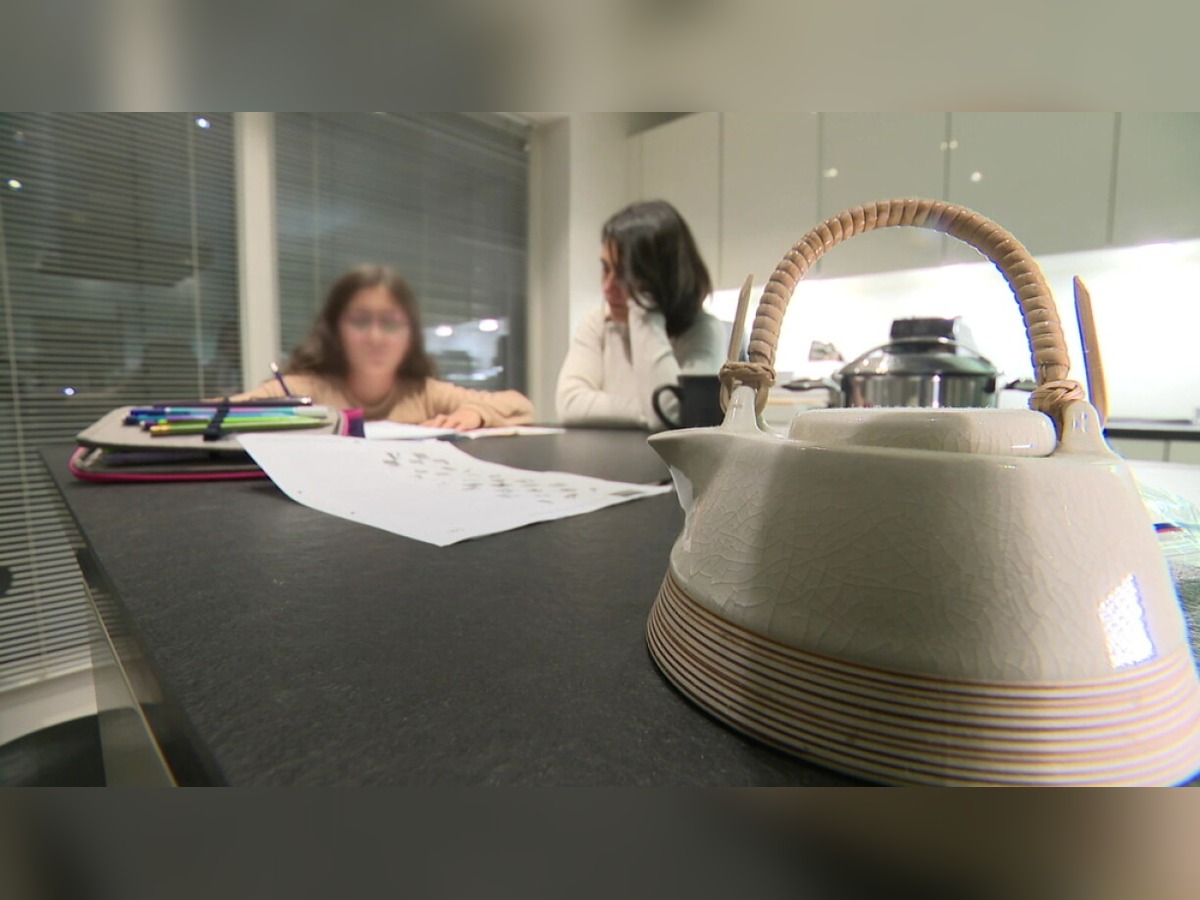
Accounts of long homework sessions and distressed children have prompted calls to reconsider primary school workloads in Luxembourg. Reporting by RTL captures concerns about family time and unequal support, but does not establish what would happen if schools abolished homework for a year.
One mother, identified under the pseudonym Lea Müller, described arriving home around 6pm and spending another two hours on homework with her child. She told RTL that unfinished work brought additional tasks as a penalty, adding to the pressure to complete assignments.
Aurore Rössler described similar difficulties for her daughter in Cycle 3, who regularly spent one to two hours working after school. According to her account in the report, doctors linked the child’s stomach aches and headaches to overload rather than an organic cause.
Rössler founded a Facebook group that gathered further parental testimonies. She said she was not opposed to homework itself, but considered the volume excessive. Her concerns included parents working full-time and families lacking the language skills needed to help children with assignments.
National parent representation president Alain Massen also questioned the workload. He warned that children with help at home could benefit while those without support fell behind. RTL also reported a different parental concern: that reducing homework might lower standards or leave stronger pupils insufficiently challenged.
Massen called for an assessment of homework’s educational value and clearer recommendations on time. According to RTL, ministry guidance included two hours per week in the third school year, but dated from 2005 and had not been updated to reflect subsequent reforms. That weekly recommendation should not be confused with the nightly workloads described by the families.
These accounts identify questions a homework review would need to address: what pupils learn, how long assignments take, how much adult help they require and how children experience the workload. They do not measure how widespread the reported problems are or demonstrate that removing homework would improve attainment.
A year without homework therefore remains a hypothetical option, not a tested conclusion from this evidence. The supported case is for examining workload and educational value while taking both family experiences and concerns about learning seriously.