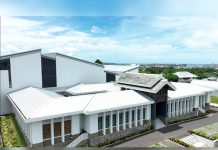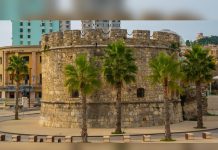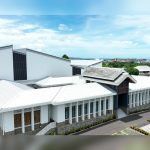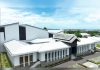

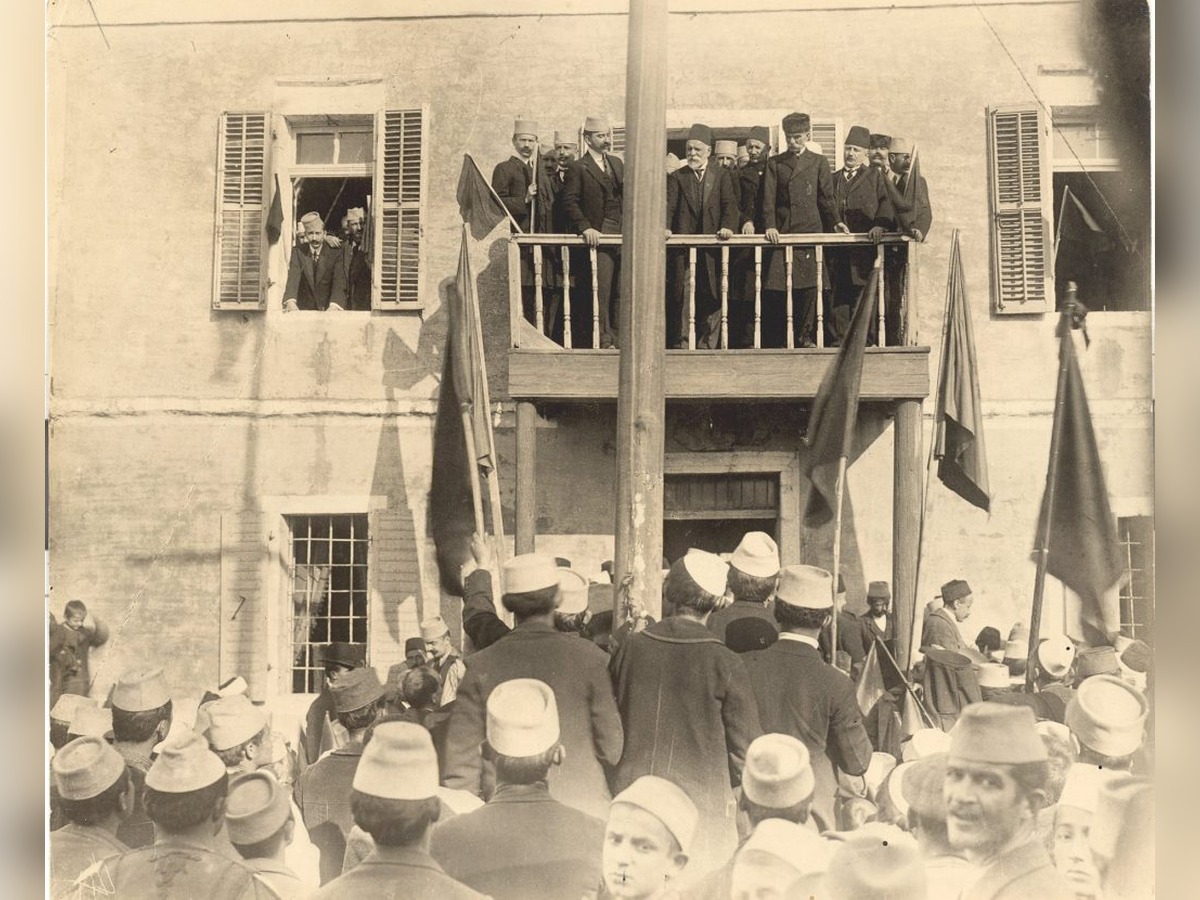
Near the port in southern Vlora, the National Independence Museum preserves a building that once served a direct role in Albania’s statehood. For six months, it housed the government of Ismail Qemali formed after the declaration of independence, according to the Albanian embassy’s account of the country’s museums. The building’s significance goes beyond the objects displayed inside. The embassy describes it as a place where the foundations of the Albanian state were laid. Its former government role gives the museum a connection to the history it presents: the premises themselves form part of the story. Founded in 1936, the institution was declared a National Museum on the 50th anniversary of the proclamation of independence. Its collections include original objects and records, documents from the Albanian National Renaissance and independence period, and artworks devoted to that history. The exhibition occupies two main divisions connected by two corridors. Together, the building and its contents bring the institutional beginnings of the state into a single setting, with documents and objects accompanying the history of the government that worked there. The museum building underwent a complete rehabilitation in 2002, timed to the 90th anniversary of the declaration of independence. That restoration added another chapter to its history: preserving a former seat of government as a place where the public could encounter the records and material traces of Albania’s independence.