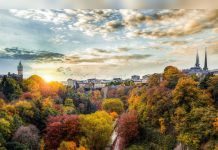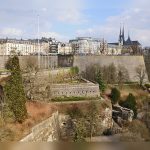

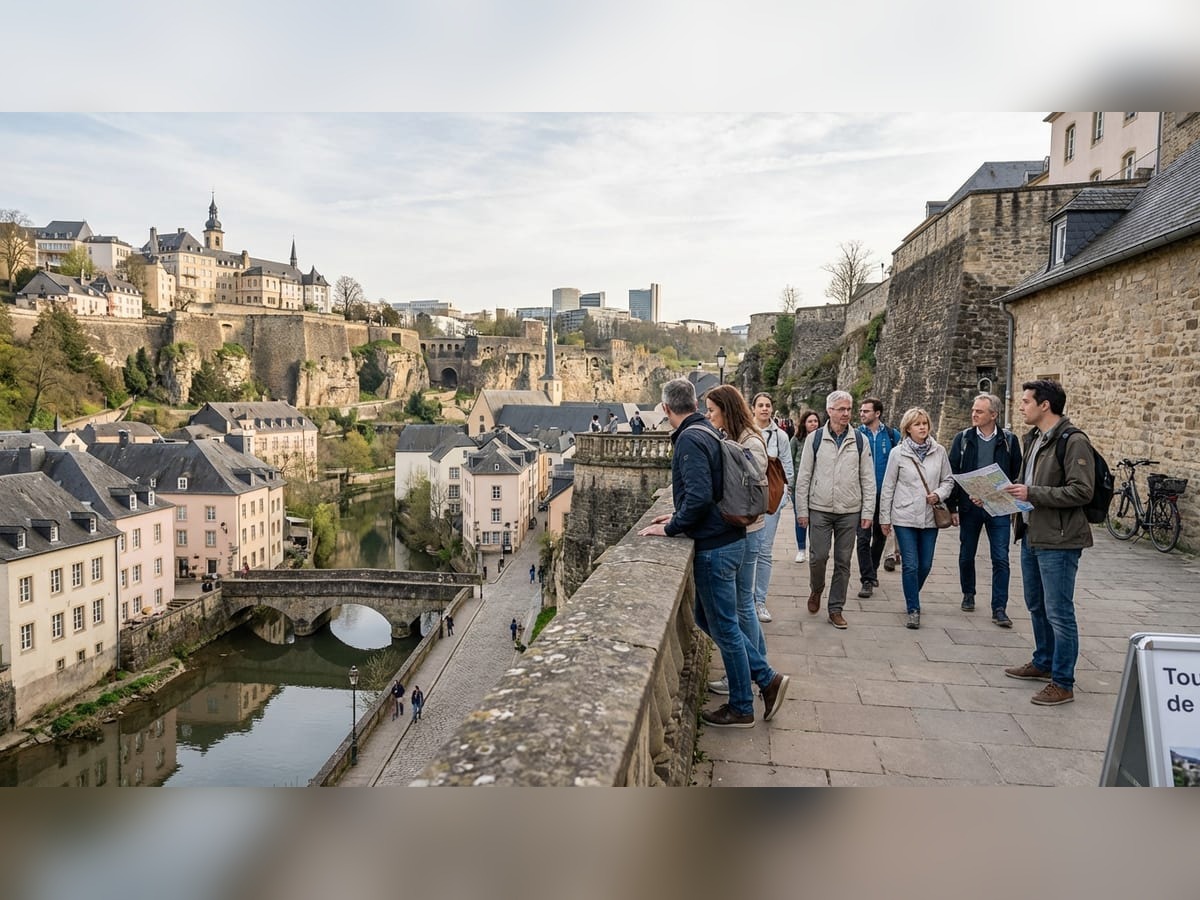
Luxembourg’s Old City occupies a steep rocky outcrop at the meeting of the Alzette and Pétrusse rivers. The terrain helped make it an exceptional fortress. Making its heritage accessible to a wider public required a different kind of planning.
UNESCO documents a project that developed four self-guided cultural tours in 2020, involving Luxembourg’s National Commission for cooperation with UNESCO and the City of Luxembourg. Its aim was to open the World Heritage site to more people, including visitors with disabilities, through cooperation with relevant community organisations.
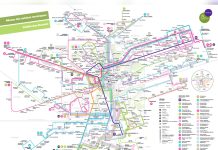
The itineraries included an Old City walking route and a cycling route developed with Vél’Oh!, alongside two tours designed to be accessible to wheelchair users and people with physical and mental disabilities. The project treated accessibility as both a question of routes and a question of how history is communicated.
An illustrated audio guide accompanied the itineraries. UNESCO lists Luxembourgish, French, German, English, Dutch and sign language among its available languages, and describes wording selected to make the material approachable.
The initiative also produced a 52-page visitor booklet in simple language and an enhanced PDF designed for improved readability. UNESCO’s account identifies the Luxembourg City Tourist Office and the UNESCO Visitor Centre at Lëtzebuerg City Museum as distribution points for the booklet.
The project’s stated goals included raising awareness of World Heritage regardless of age, background or ability, and promoting inclusive cities. In a place celebrated for its formidable defences, these tours offered another way to understand its heritage: through the practical work of helping more people experience it.