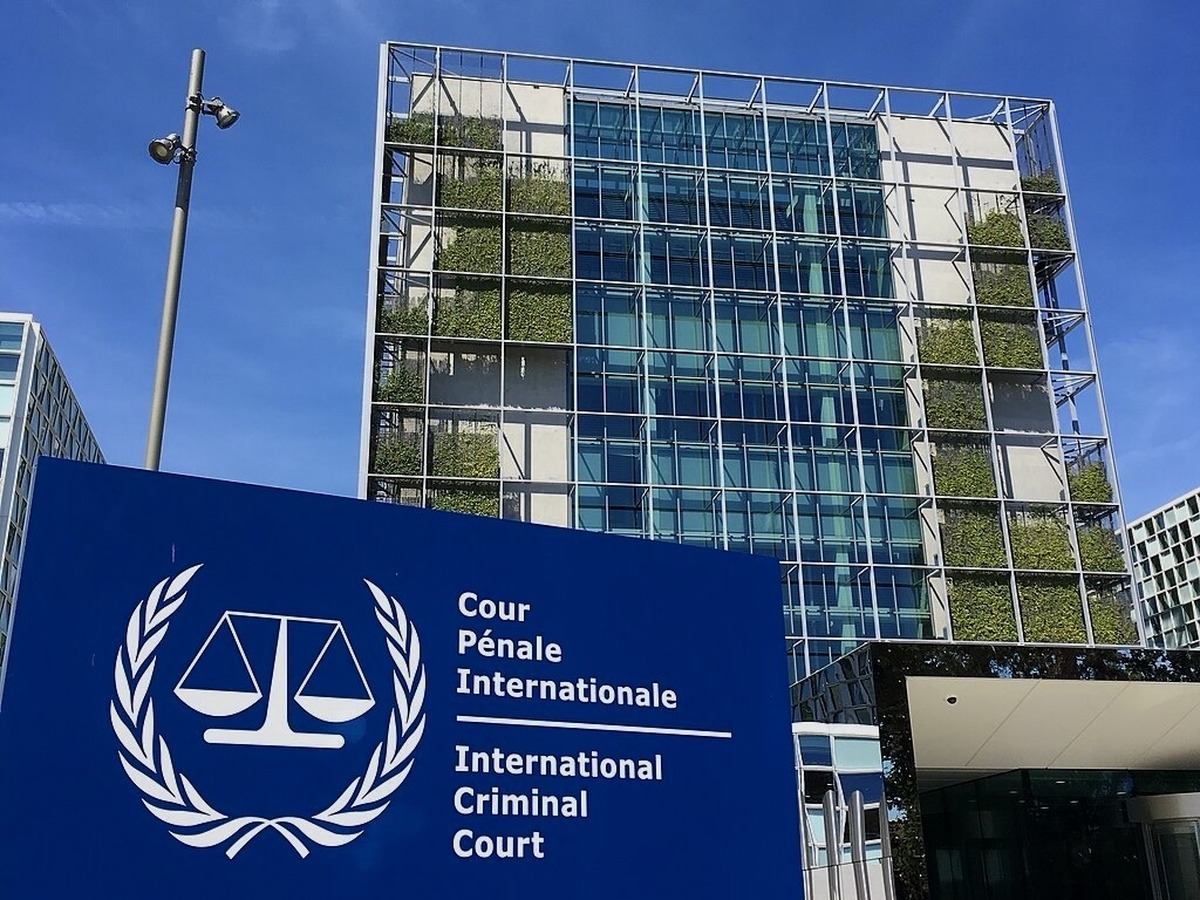
The United States’ decision to impose sanctions on the International Criminal Court (ICC) has prompted an international coalition of civil society organisations and legal experts to warn that the measures could disrupt the court’s essential operations, including its ability to receive funding and pay staff.
In a joint statement published on 12 October 2026, the Coalition for the International Criminal Court (CICC), more than 120 organisations from over 60 countries, legal experts, human rights defenders and members of the European Parliament condemned the US action. The coalition described the sanctions as a threat to the court’s independence and its role in pursuing accountability for international crimes. These characterisations reflect the signatories’ position rather than an independent legal ruling.
According to the statement, Washington announced sanctions against the ICC as an institution on 9 October under Executive Order 14203. The order forms part of a broader campaign against the court over investigations into alleged crimes involving US nationals or allies, including Israeli nationals. The ICC’s jurisdiction under the Rome Statute can extend to alleged crimes committed on the territory of a member state, regardless of the accused person’s nationality.
The measures have direct implications for the court’s international operations. The statement says the executive order prohibits US persons from providing designated individuals and entities with material support or services, including financial services. It also warns that non-US persons could face secondary sanctions for conduct prohibited under the order.
The coalition says the restrictions could have consequences beyond US borders because international organisations and businesses rely on American financial and information technology systems. Banks and other service providers outside the United States may decide to stop working with the ICC to avoid potential penalties or reprisals. Such decisions could affect the court’s ability to maintain bank accounts, receive contributions from member states, make payments and meet payroll obligations.
The order includes a six-month wind-down period and exemptions for certain services, according to the statement. However, the signatories argue that these provisions do not remove the risk of service providers withdrawing support. The statement also reports that three Palestinian human rights organisations previously designated for cooperating with the ICC immediately lost access to their bank accounts, funds, IT services and partners, disrupting their work.
The dispute has wider implications for the ICC’s investigations and the people who depend on its work. The court is responsible for investigating alleged international crimes, conducting hearings, protecting victims and witnesses, and providing legal aid. The coalition warns that interruptions to these functions could undermine efforts to secure justice for victims and survivors in more than a dozen countries under investigation.
The Netherlands, where the ICC is based, and the court’s other member states have been urged to help ensure that it retains access to the services necessary to operate. The statement calls for coordinated action rather than condemnations alone.
The United States is not a party to the Rome Statute, the treaty establishing the ICC. The immediate concern raised by the coalition is whether the sanctions will cause financial and service providers to withdraw from the court, potentially hampering its work beyond American territory. The statement warns of those risks but does not establish that every predicted disruption to the ICC’s operations has occurred.