Mayors and chairmen of People’s National Movement (PNM)-controlled municipal corporations have accused the Government of political discrimination following proposed reductions totalling TT$49.55 million in development funding under Trinidad and Tobago’s 2027 Budget.
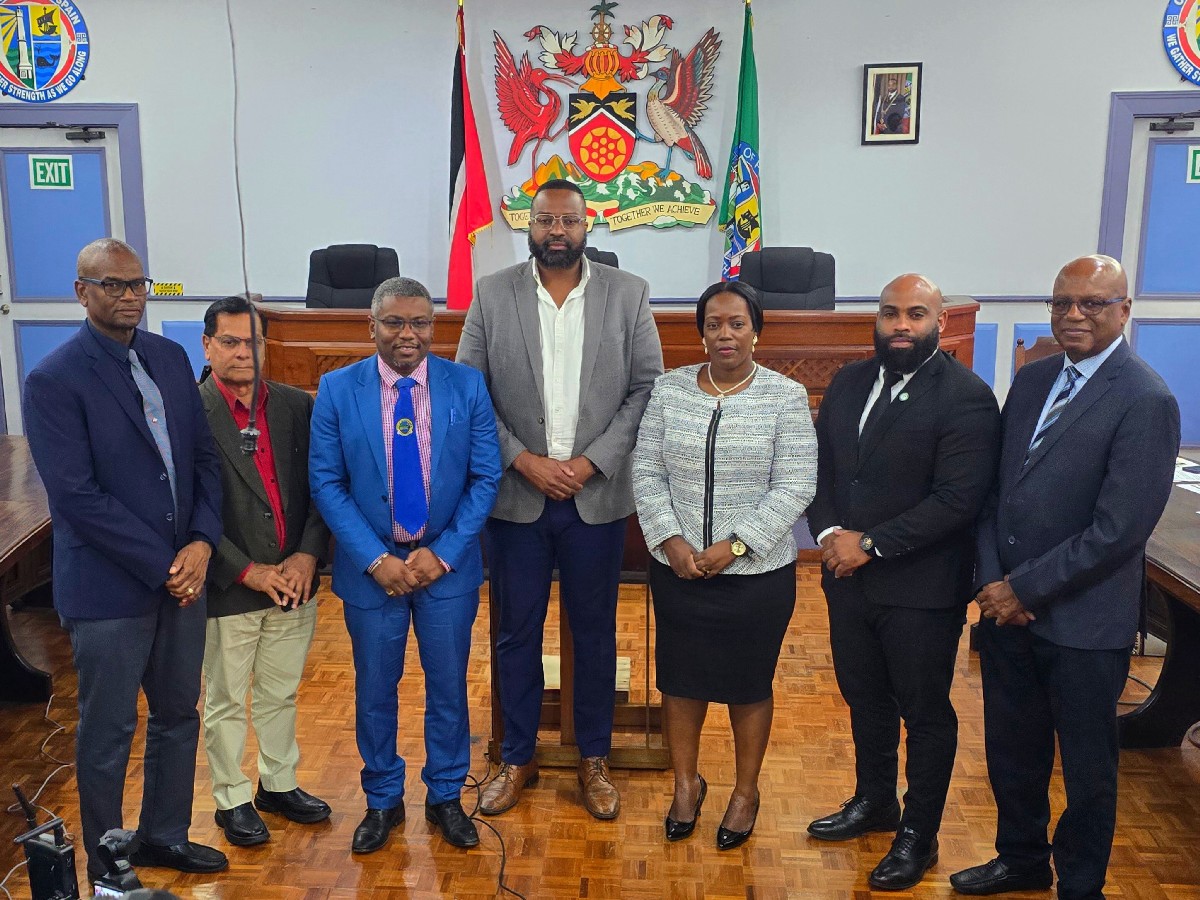
The concerns were raised during a meeting at Port-of-Spain City Hall, where municipal leaders questioned the allocation of resources and the potential consequences for communities under opposition-controlled corporations.
According to the draft development estimates, the seven PNM-controlled corporations are collectively allocated TT$31.62 million for fiscal 2027, compared with TT$81.17 million originally allocated for 2026.
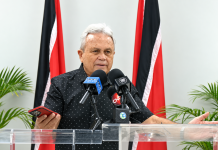
Port-of-Spain Mayor Chinua Alleyne accused the United National Congress (UNC) Government of deliberately reducing resources to opposition-controlled municipalities, arguing that residents could suffer regardless of their political affiliation.
Alleyne also announced his intention to join trade unions during their planned October 30 protest against the Government, expressing solidarity with workers and communities he believes are experiencing unfair treatment.
He further alleged that the reductions could form part of a political strategy ahead of the upcoming Local Government Elections, potentially discouraging voter participation.
The mayor also questioned how the recently enacted Special Operations Act could affect election campaigning and access to polling stations.
He argued that the legislation does not provide a general exemption for election activities or independent candidates seeking to canvass communities designated as closed areas.
Under the legislation, permits are required to enter or leave designated closed areas, although certain officeholders, including Members of Parliament and municipal councillors, are exempt. The Commissioner of Police can also authorise permits for categories of persons. Separate curfew orders govern restrictions requiring residents to remain indoors.
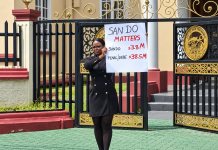
Meanwhile, Diego Martin Mayor Akeliah Glasgow-Warner questioned the criteria used to distribute development funding among the country’s municipal corporations.
Diego Martin’s proposed allocation has fallen from TT$11.1 million in 2026 to TT$2.22 million for 2027, representing an 80 per cent reduction.
By comparison, Chaguanas has been allocated TT$37.9 million, marginally below its original 2026 allocation of TT$37.96 million.
Glasgow-Warner argued that Diego Martin has a larger population and more electoral districts to service. She questioned whether population size, drainage needs, road conditions and infrastructure requirements were adequately considered when determining allocations.
She maintained that the reductions would affect residents rather than simply the political representatives managing the corporations.
Glasgow-Warner also rejected suggestions that previous PNM administrations had unfairly distributed municipal resources, pointing to the party’s final fiscal 2025 budget, when allocations across the 14 corporations were approximately TT$17 million to TT$20 million each.
She further questioned how much of Chaguanas’ previous development allocation had been spent, suggesting that only about half had been utilised.
However, the draft estimates list Chaguanas’ revised 2026 development expenditure at TT$34.96 million against its original TT$37.96 million allocation. The revised estimate is not an audited record of final expenditure and does not establish that half the funding went unused.
The wider 2027 development estimates indicate that proposed funding across all 14 corporations has declined from approximately TT$271.63 million to TT$219.02 million.
The allocations relate specifically to development projects and should not be confused with the corporations’ overall operating budgets.
While the published estimates establish significant differences in proposed development allocations, the mayors’ allegations that those differences are politically motivated remain accusations rather than established findings.
The dispute raises questions about the criteria used to distribute public funding, the needs of individual municipalities and the potential impact of reduced development allocations on services and infrastructure across Trinidad and Tobago.