Oil prices rose on Monday as attacks on two tankers near Oman and the Strait of Hormuz added to concerns about supplies from the Middle East. The incidents, reported over the weekend by the United Kingdom Maritime Trade Operations (UKMTO), provide a direct link to British maritime monitoring and underline the security risks facing commercial shipping in the region.
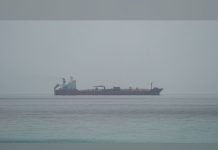
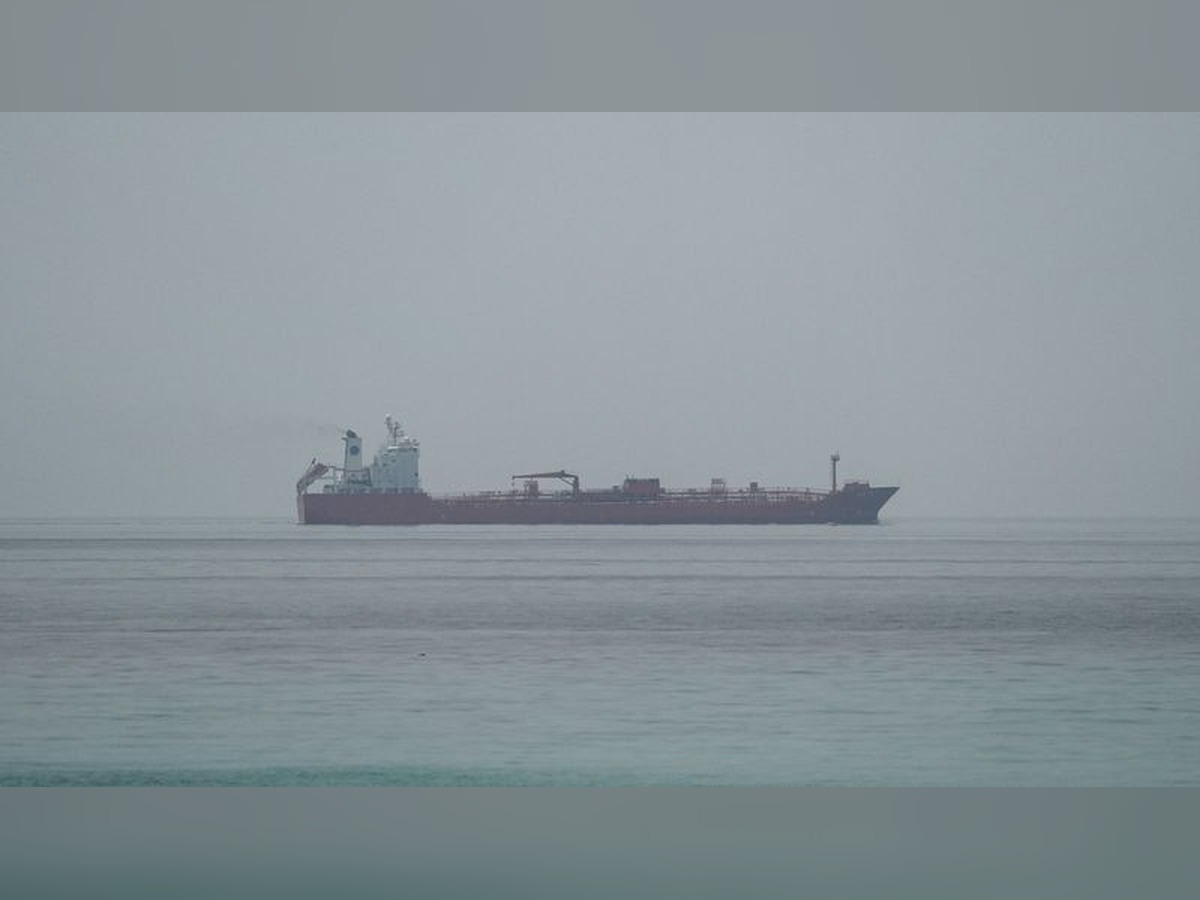
According to Reuters, one tanker was struck by a drone near the Sohar anchorage in Oman. Another was damaged by an unidentified projectile while travelling through the Strait of Hormuz. The available report does not identify the vessels or establish who was responsible for either attack.
The incidents came amid an escalation in the wider Middle East conflict. Yemen’s Iran-backed Houthis intensified attacks on Saudi Arabia, while US President Donald Trump said on Saturday that Washington was considering joining Saudi strikes against the group. The report described the fighting as part of a wider conflict involving Iran, the United States and Israel that began in February.
The shipping incidents have implications for the United Kingdom because UKMTO, which reported the attacks, monitors maritime security incidents affecting commercial vessels. The attacks also concern a region important to international oil movements. However, the supplied reporting does not establish that British-owned ships were involved, that UK-bound oil shipments were disrupted or that British consumers faced a specific increase in fuel costs as a result.
Oil markets nevertheless moved higher as traders assessed the security risks. Brent crude futures rose by 76 cents, or 0.73%, to $105.48 a barrel, while US West Texas Intermediate crude increased by 59 cents, or 0.64%, to $92.44. The quoted prices were recorded at 23:04 GMT on Monday, according to the report.
Reuters also reported that further tanker attacks had been recorded in the Strait of Hormuz during the month, threatening to hinder a recovery in Middle Eastern crude exports seen in September. Goldman Sachs raised its December Brent forecast to $90 a barrel from $85, while warning that renewed escalation could create additional upward pressure on prices. That forecast was an analyst projection, not a confirmed future price.
For the UK, the verified immediate connection is the maritime security reporting and the rise in international oil prices amid regional supply concerns. The source does not quantify any resulting effect on British petrol prices, household energy bills or national oil supplies. Those consequences should therefore not be presented as established facts.