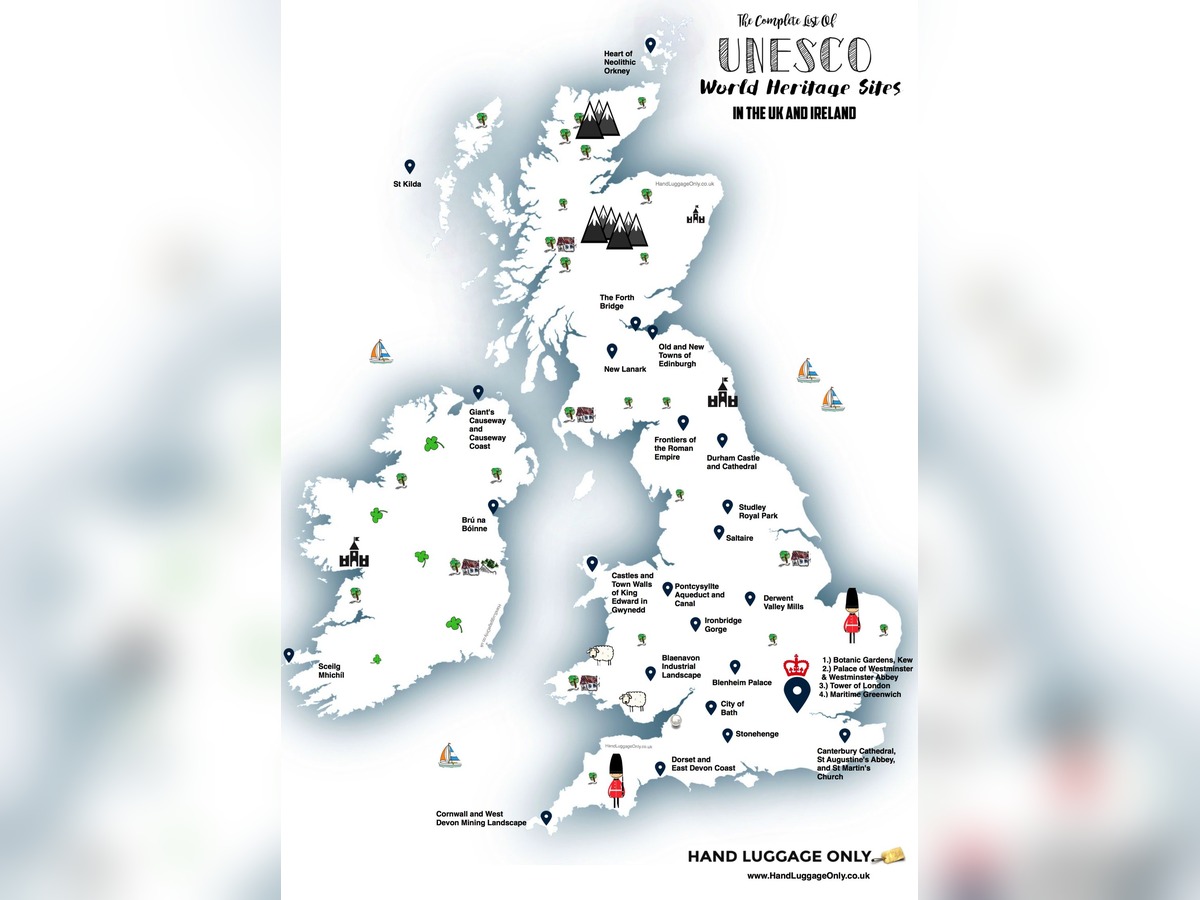
The United Kingdom boasts a staggering 28 UNESCO World Heritage Sites, each a testament to its rich and diverse history. These sites span from prehistoric wonders to industrial marvels, reflecting the nation’s cultural, architectural, and natural heritage. Among the most iconic is Stonehenge, Avebury and Associated Sites, a prehistoric monument dating back to around 3000 BC. Its purpose remains a mystery, but theories range from an astronomical observatory to a ceremonial gathering place.
Another standout is the Palace of Westminster and Westminster Abbey, the seat of British democracy and a symbol of national identity. The abbey, founded in 960 AD, has hosted coronations, royal weddings, and state funerals for over a thousand years. Meanwhile, Liverpool – Maritime Mercantile City celebrates the city’s role in the transatlantic slave trade and its later transformation into a global port. The site includes the historic docks, warehouses, and the Albert Dock, now a UNESCO-listed museum quarter.
The English Lake District, a UNESCO site since 1997, is renowned for its dramatic landscapes, which inspired poets like Wordsworth and Beatrix Potter. Meanwhile, Durham Castle and Cathedral showcase Norman architecture at its finest, with the cathedral’s 11th-century Romanesque design influencing churches across Europe.
Less familiar but equally significant are sites like Blaenavon Industrial Landscape in Wales, a former coalfield that powered the Industrial Revolution, and Jodrell Bank Observatory, home to the iconic Lovell Telescope, a pioneer in radio astronomy. Each site tells a unique story, from the Cornwall and West Devon Mining Landscape, shaped by centuries of tin and copper mining, to The Slate Landscape of Northwest Wales, where slate quarries once dominated the economy.
These sites are not just historical relics; they are living parts of the UK’s identity, drawing millions of visitors annually. Yet, they also face challenges, from climate change to urban development. UNESCO’s recognition ensures their preservation, but ongoing efforts—such as sustainable tourism and conservation funding—are crucial to protecting these treasures for future generations.