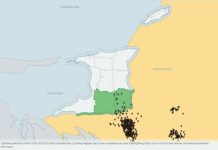

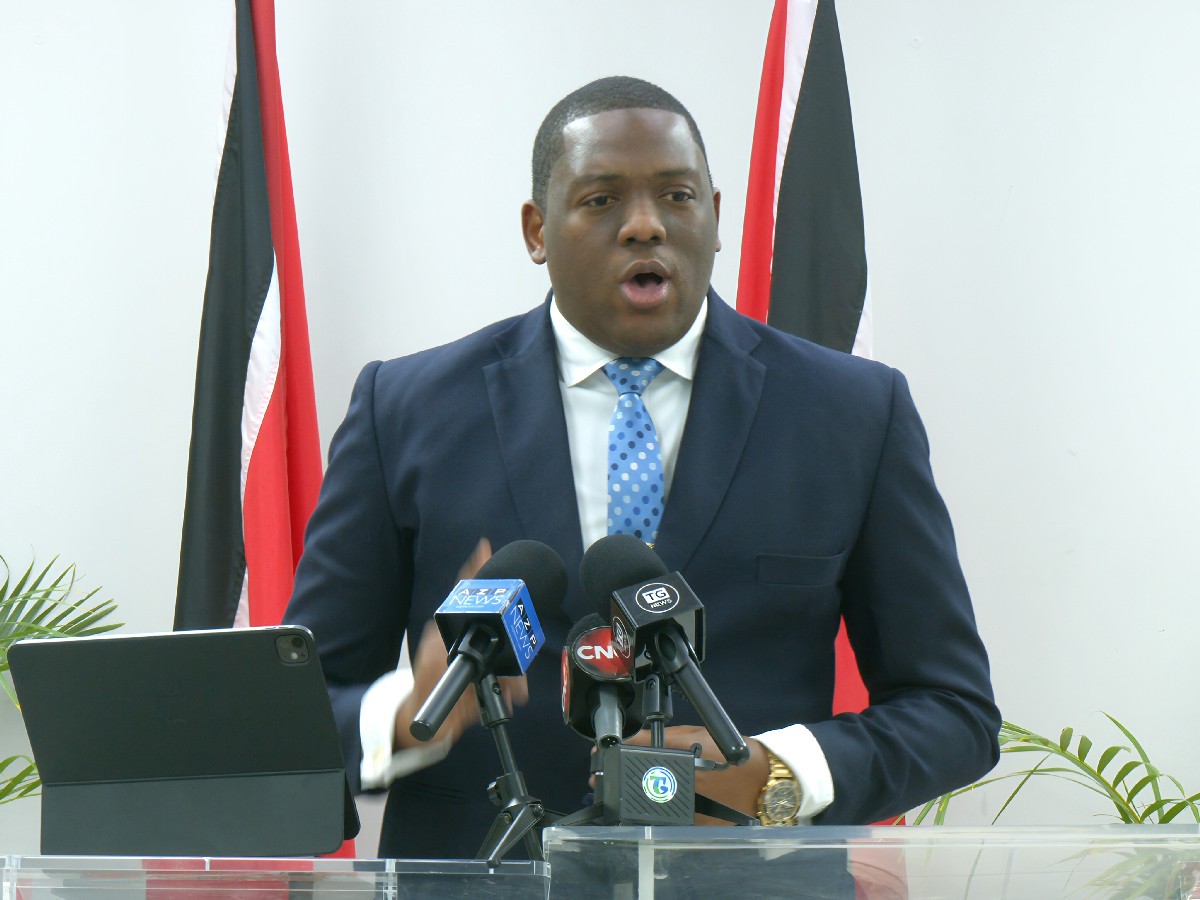
Opposition figures are intensifying their criticism of the Municipal Corporations (Amendment) Bill, 2026, alleging that the proposed restructuring of Trinidad’s local government system could give the governing United National Congress a political advantage. During remarks on the legislation, the speaker accused the Government of attempting to reshape municipal boundaries around areas regarded as traditional UNC strongholds, describing the proposal as a threat to fair representation and democracy. The speaker argued that when the results and constituency patterns from the April 2025 general election are examined, several areas considered politically favourable to the UNC could fall largely within newly configured municipal corporations. The Government’s proposal would increase the number of municipal corporations from 14 to 17, including new municipalities centred on Barataria, St Augustine and Couva. The Opposition has characterised the changes as an attempt at gerrymandering, the practice of configuring electoral boundaries in a manner intended to provide a political advantage. Opposition Leader Penelope Beckles has separately raised similar concerns and called for greater justification and transparency surrounding the changes. Prime Minister Kamla Persad-Bissessar has rejected the political interpretation of the reforms. She says municipal boundaries have remained largely unchanged despite population growth and development, resulting in disparities between corporations. The Government maintains that the proposed restructuring would improve service delivery, distribute resources more fairly and bring services closer to communities. The Municipal Corporations (Amendment) Bill, 2026 is scheduled for debate in the House of Representatives on Wednesday, October 7.