
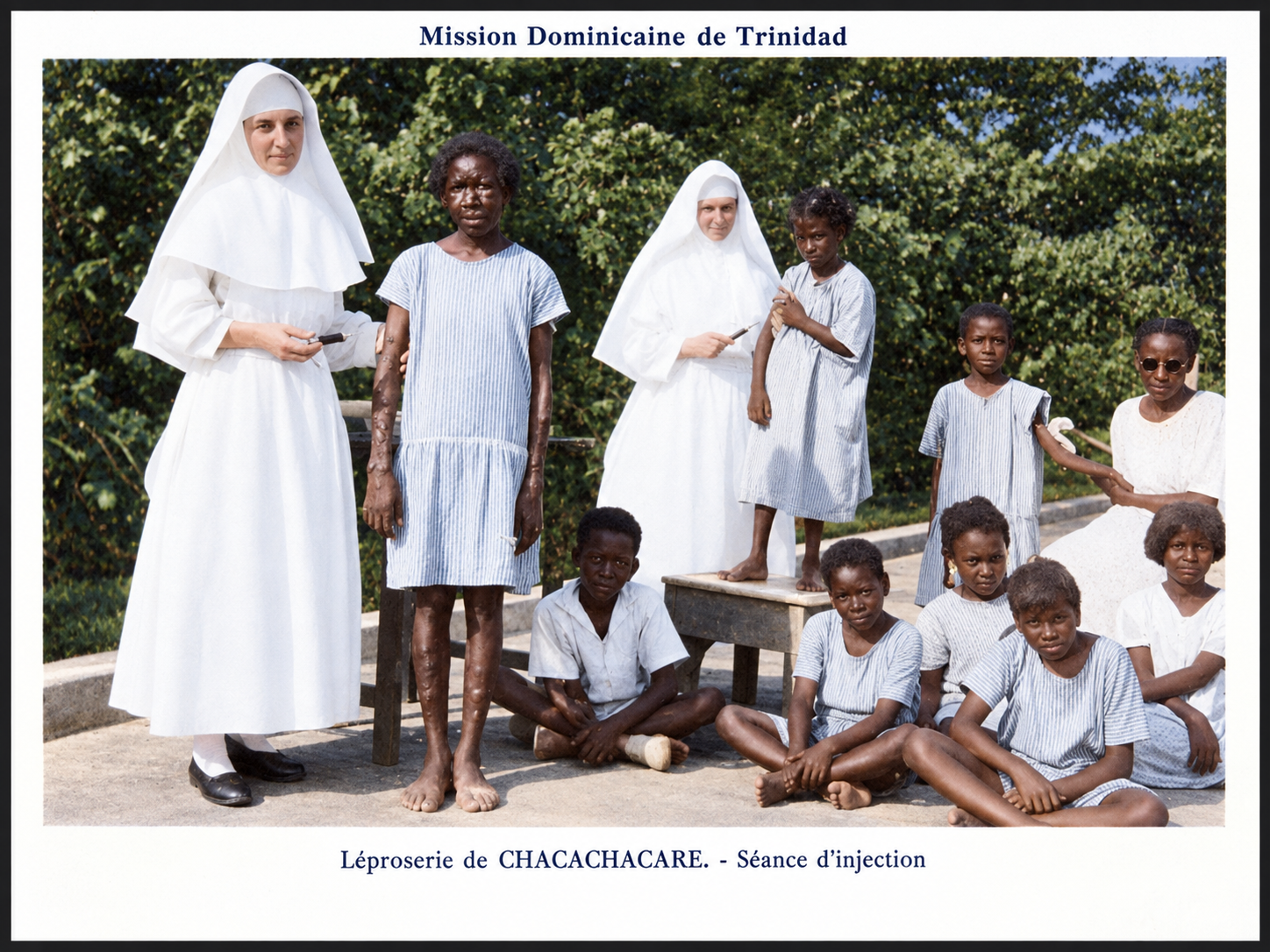
Chacachacare is now associated with boat trips, hiking, old ruins and the dramatic scenery of Trinidad’s western islands. For much of the 20th century, however, the island had a far more difficult role. It became the site of Trinidad’s residential leprosy colony, separating people with the disease from the mainland for decades.
The National Trust of Trinidad and Tobago traces the story back to the 1800s, when people affected by leprosy lived in relative isolation around Laventille. A leprosarium was later established at Cocorite in 1845. As the number of patients increased and colonial authorities became more focused on isolation, pressure grew for a more remote institution.
In 1921, the colonial government announced plans to establish a leprosy colony on Chacachacare. The proposal was controversial for several reasons. Families feared the deeper isolation that an island institution would impose on patients, while residents and land users on Chacachacare faced displacement from homes, agricultural activity and fishing communities.
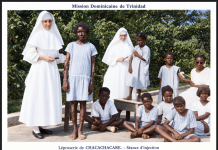
The first transfer was carried out secretly in 1921 because of the tension surrounding the move. By 1926, the National Trust records that all patients with leprosy had been transferred to Chacachacare. The Dominican Sisters who had long cared for patients continued their work on the island.
Life within the colony was organised geographically. At one stage, male patients lived at Cocos Bay while female patients lived at Sanders Bay, where administrative facilities were also located. Marine Bay housed the convent, chapel and chaplain’s residence. The National Trust notes that the arrangement was later reversed in 1943.
Medical advances gradually changed what isolation meant. By the 1930s, new treatments were being tested, although only a small percentage of patients were successfully treated and returned to the mainland at that stage. A major shift came in 1971 with a treatment programme developed by American specialist Dr Richard Keeler. Patients were increasingly able to receive care on the mainland.
The Chacachacare institution slowly emptied. In 1984, the last patient left, ending more than six decades of the island’s history as a leprosy colony.
The physical remains have not disappeared entirely. The National Trust identifies surviving traces including the Doctor’s House, chapel and nuns’ quarters. The island also contains a lighthouse, bays, a salt pond and stands of manchineel, a highly toxic tree found around parts of the Caribbean.
Chacachacare therefore holds two very different identities at once: a striking natural landscape and a place marked by forced separation, medical fear and long-term caregiving. Its ruins are not merely abandoned buildings. They are evidence of how Trinidad once responded to a feared disease, and of the patients and caregivers whose lives were shaped by isolation across the water.