
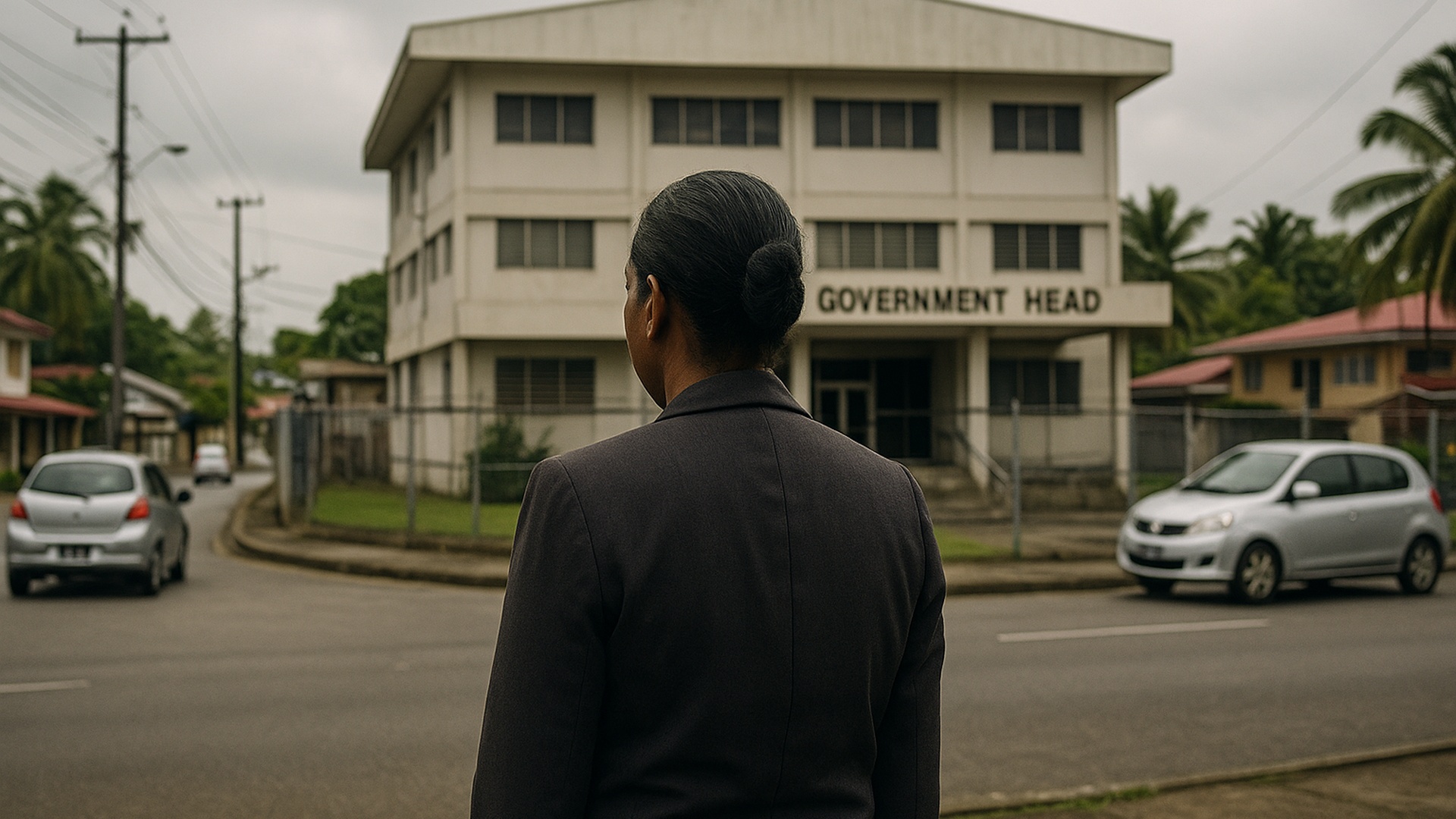
In Trinidad and Tobago, the absence of post-cabinet media briefings for over three months has sparked a wave of concern regarding governmental accountability. Notably, the last briefing occurred on May 7, leading to voices from various sectors questioning the government’s commitment to transparency.
Critics highlight that these media briefings serve as a vital platform for journalists to hold the government accountable for decisions impacting taxpayers. Nicholas Morris, a minister in the Prime Minister’s office, defended the government, stating that accountability is addressed through daily announcements and social media press releases instead of a single briefing every week.
Political analyst Derek Ramsamoog argues that this is not sufficient and underlines the necessity for structured Q&A sessions following cabinet meetings. The Media Association of Trinidad and Tobago has also expressed its distress over the unavailability of ministers for direct questioning, urging the government to reconsider its communication approach. As democracy thrives on accountability, the absence of these briefings has left many questioning the motives behind the government’s choice to limit media interaction.