
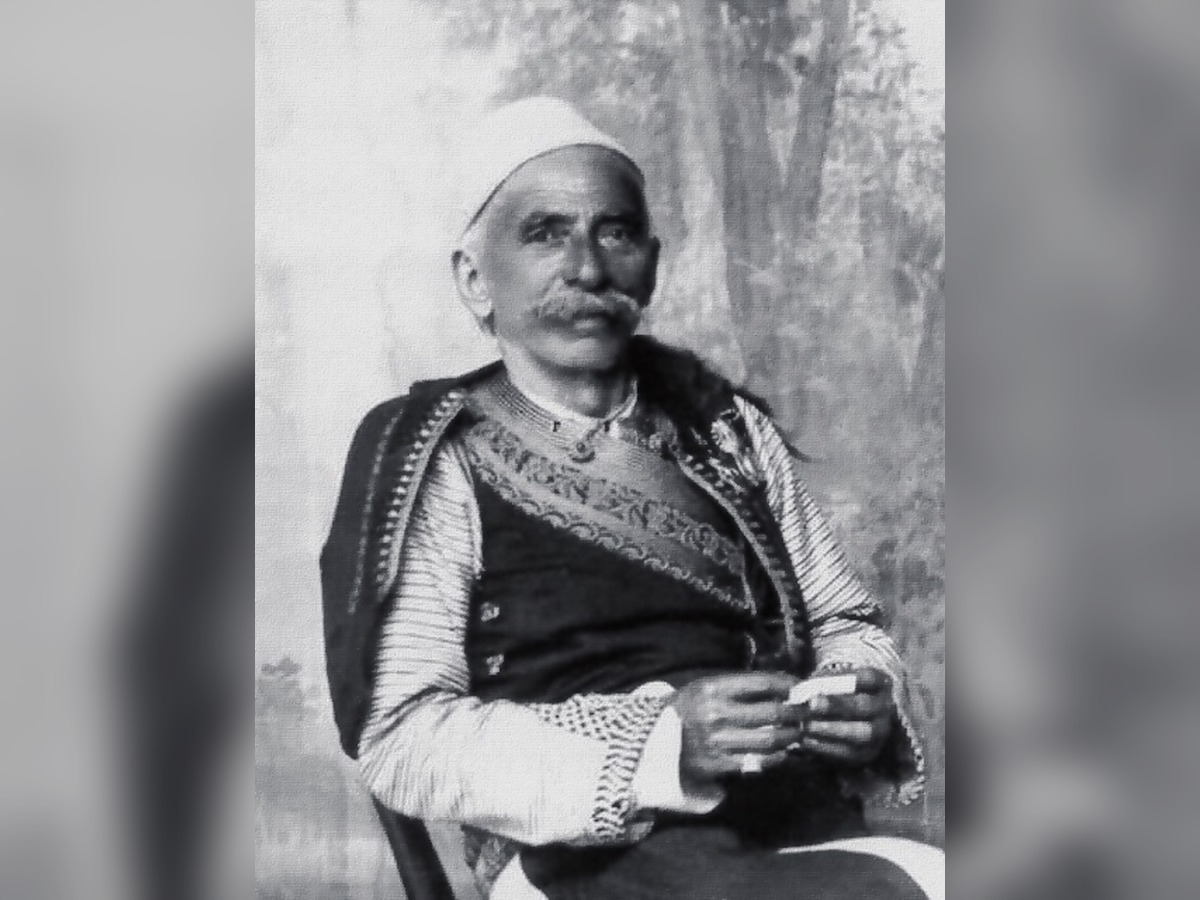
November 1, 2026, marks the 186th birth anniversary of Ded Gjo Luli, the Albanian guerrilla leader remembered for his role in the 1911 revolt against Ottoman rule. His story connects the resistance of the northern highlands with a flag-raising that became an enduring expression of Albanian identity.
Luli was born in 1840 in Traboin, then within the Ottoman Empire. According to his biographical account, he was the only son of Gjon Luli and was named after his grandfather, Ded Broci. He belonged to the Dedvukaj family and became a chieftain of the Hoti tribe, placing him at the centre of the highland community whose fighters he would lead.
His resistance preceded the uprising for which he is best remembered. He participated in the conflicts over Plav and Gusinje following the 1878 Congress of Berlin and its decision to transfer those Ottoman territories to Montenegro. During the unrest of 1910, Luli and Hoti highlanders resisted Ottoman demands to pay taxes and surrender their weapons.
By March 1911, an uprising had broken out in the northern highlands. Luli and his men attacked Ottoman watch-posts along the Ottoman-Montenegrin border. The revolt is closely associated with the raising of the Albanian flag at Deçiq, on Bratile mountain, described in the biography as symbolising the return of Skanderbeg’s flag. Remembering that collective act also means recognising the fighters who stood alongside him.
His place in Albanian memory extends beyond accounts of battle. Gjergj Fishta devoted a canto of his epic poetry to Luli’s struggle against the Ottomans. The literary portrayal depicts a leader addressing his men and refusing an Ottoman pasha’s demand for submission.
Luli died on September 24, 1915. A statue in Tirana and a street bearing his name preserve his presence in the capital’s public landscape. On this anniversary, his life offers a point of remembrance for the highland communities, resistance and national symbols that shaped his legacy.