

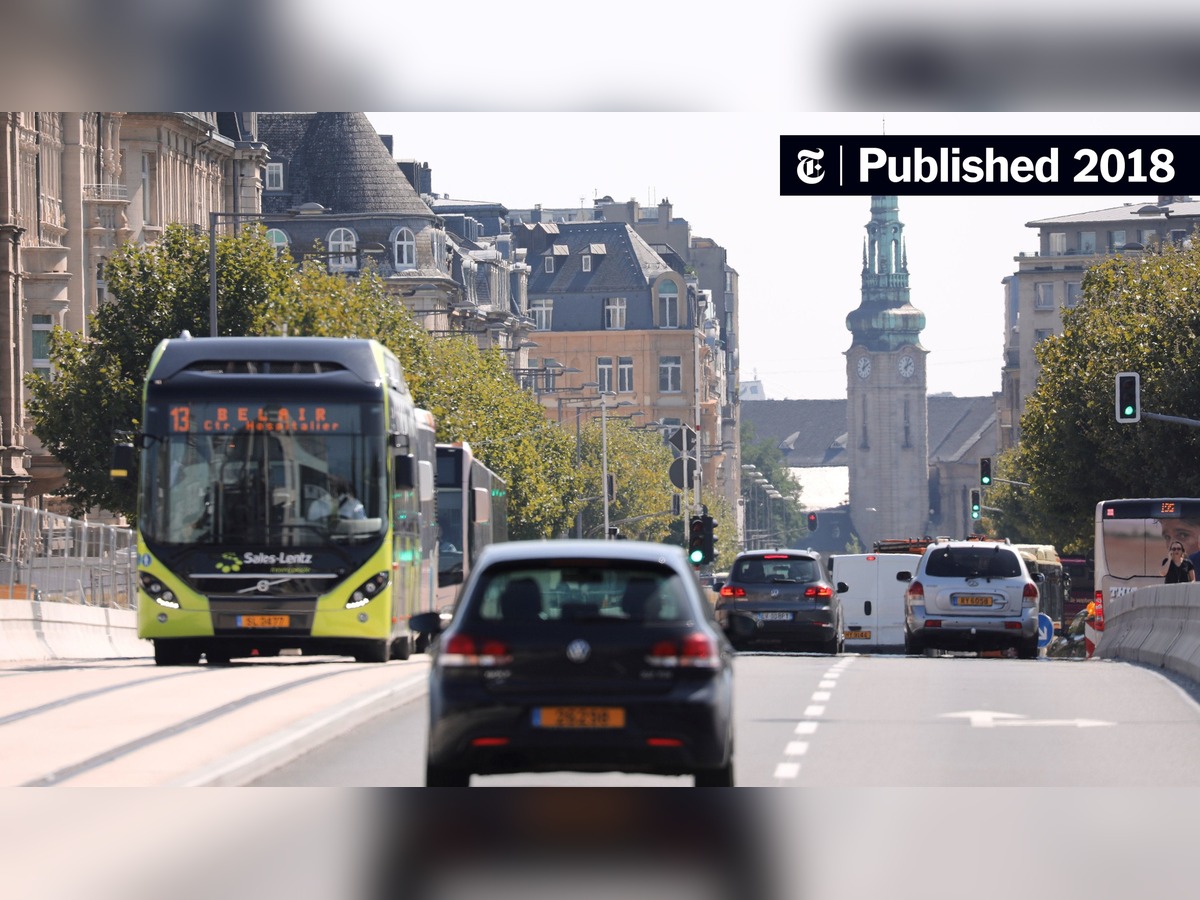
Luxembourg’s decision to remove public transport fares was intended to improve convenience and support lower-income passengers, according to François Bausch’s account of the policy in a 2021 interview. His explanation offers a more specific test of the initiative than simply asking whether free travel persuaded drivers to abandon their cars. Speaking to Pedestrian Space, Bausch, then deputy prime minister and minister responsible for mobility and public works, described a country facing the legacy of decades of planning and travel habits centred on cars. His stated priority was to focus on moving people, with alternatives needing to become more attractive than driving. Free public transport, introduced in March 2020, was one element of that approach. Bausch said a rise in passenger numbers had never been its principal objective. Instead, removing fares was intended to make the system easier to use. He also identified a practical limitation on assessing its early results: the introduction coincided with the first full COVID-19 lockdown. In the interview, he said that overlap made it impossible to measure the policy’s impact on ridership at that stage. The interview therefore cannot establish the initiative’s longer-term effects. The financial starting point was another consideration. According to Bausch, ticket revenue had covered less than 10% of public transport costs. Replacing that income consequently required a smaller proportional increase in subsidy than it would have in a system more heavily dependent on fares. Bausch presented the measure as social policy too: lower-income users would retain money previously spent on tickets, while taxpayers financed the service. Implementation also required renegotiating international ticket prices to reflect the free Luxembourg section and addressing concerns about ticketing staff. He said affected employees had been reassigned to other duties. That evidence explains the government’s rationale, but does not settle whether Luxembourg’s cities prioritise people or cars. The interview supplies no measurements of street allocation, road safety or access to shops. Its more defensible lesson is that fare policy addresses affordability and convenience, while the broader question of urban design requires evidence about how streets and journeys actually work.