
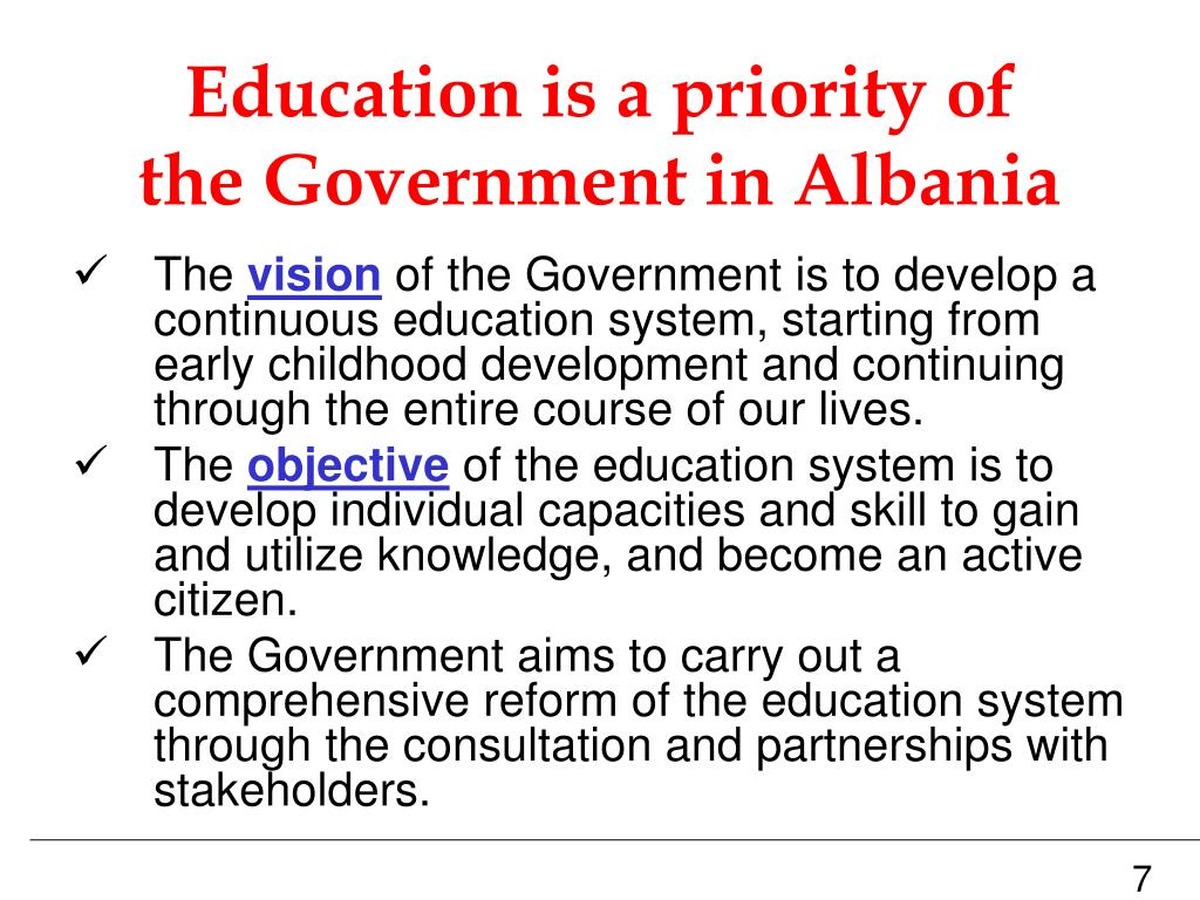
Albania has approved 51 new or updated subject curricula for Grades 1, 6 and 10, according to the European Commission’s Eurydice education platform. The changes document a revision of what pupils are expected to learn, but the published excerpt does not establish whether families must purchase new textbooks or whether older editions remain usable. The Eurydice account, last updated on 11 September 2026, says the Ministry of Education approved curricula across all learning areas. Subjects include Albanian and English, mathematics, natural sciences, history, geography, citizenship and the arts, alongside physical education, sports and health. The development process included an evaluation of existing curricula and working groups involving approximately 200 teachers, school leaders and university lecturers. International experts from the United Kingdom and Australia also contributed through consultations supported by the British Council and UNICEF, according to the platform. Among the stated changes is a stronger emphasis on critical thinking, problem-solving, entrepreneurship and digital skills. Eurydice reports that around 30–40% of the curricula include practical activities, while more than 70% of instructional time is intended to involve practical engagement. These are descriptions of the planned curriculum, rather than evidence of how lessons are already being delivered. The reforms also envisage more personalised learning through individual learning plans, differentiated materials and formative assessment. The stated approach therefore concerns teaching methods as well as subject content. For families considering textbook purchases, however, a curriculum revision and a requirement to replace a particular book are separate questions. Although the page lists a textbook updating process, the supplied account does not explain which editions will change, how books will be selected, what households will pay or whether existing copies can continue to be used. The evidence supports a substantial curriculum reform affecting three grades. It does not support a conclusion that repeated edition changes are imposing unnecessary costs on Albanian families. Answering that question would require edition-by-edition comparisons, purchasing requirements and information on textbook reuse—details absent from this account.