
What would happen if Samoa’s schools stopped assigning homework for a year? A three-year study of the country’s education system offers important context for that debate, but the account published by the Australian Council for Educational Research does not establish whether removing homework would improve learning, increase family time or reduce inequality.
Conducted in partnership with Samoa’s Ministry of Education and Culture, the research examined policies and practices that could strengthen education quality and help schools withstand disruption. Its findings suggest that any debate about homework would need to consider wider difficulties affecting teaching and learning.
According to ACER, Samoa’s literacy and mathematics performance had been declining before the COVID-19 pandemic. Government reforms, investment and policy adjustments had not produced the desired overall improvements in student learning.
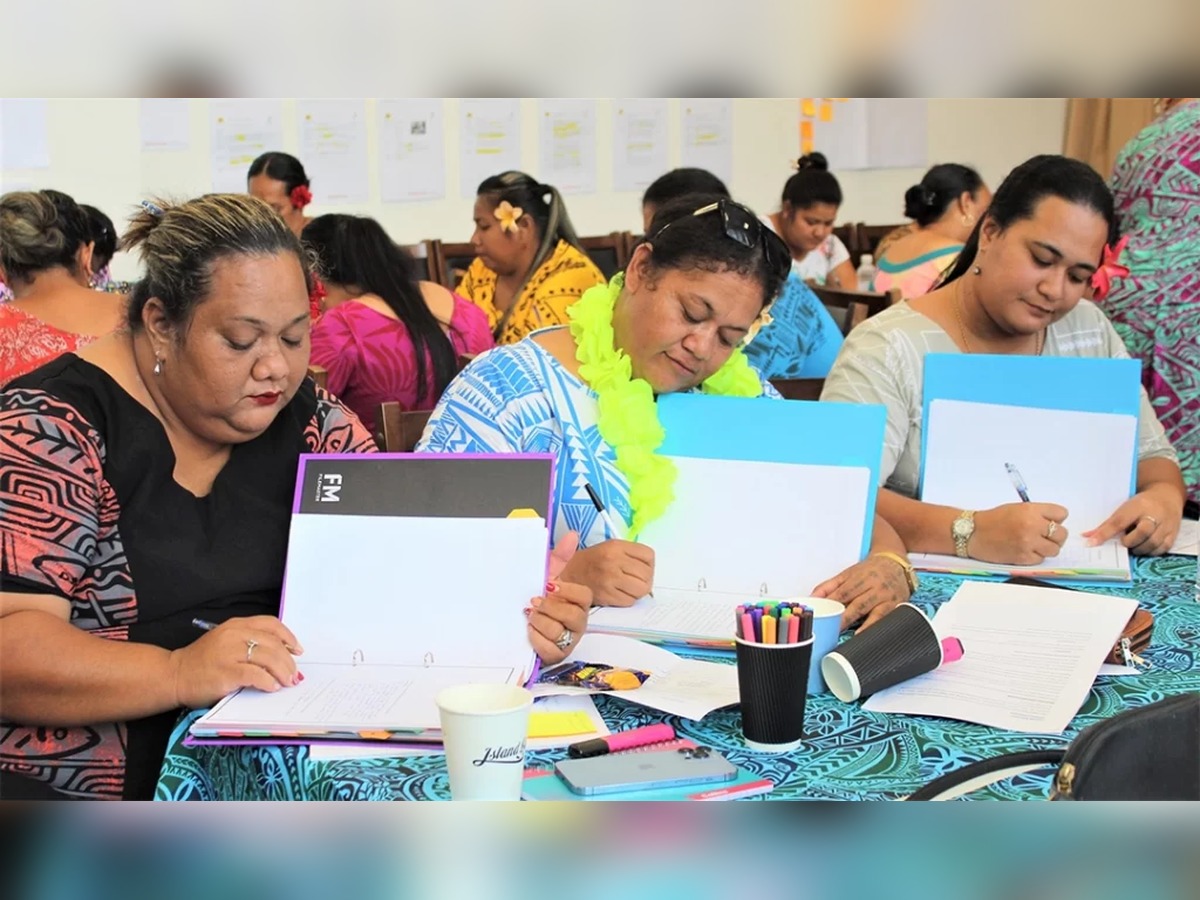
The research combined policy mapping, analysis of Pacific Islands Literacy and Numeracy Assessment data, and qualitative surveys involving school leaders, teachers and parents. Local researchers collaborated throughout the work, and ministry officials affirmed the research activities.
ACER identified challenges involving resources, teacher absenteeism and low literacy skills. It also reported that large classes appeared to encourage rote learning, limiting teachers’ ability to adapt instruction to different students. The account cautiously links those conditions to reduced engagement and possible contributions to absenteeism and dropout.
These findings do not establish homework as either a cause of those problems or a remedy. The published account provides no comparison between pupils assigned homework and those receiving none. It also supplies no measurements of homework’s effects on family time or differences between households.
The study nevertheless identifies strengths relevant to considering educational change. ACER reports successful examples of parents and communities sharing responsibility for children’s learning, alongside monitoring systems that track learning and growth. It also highlights coordination and policies intended to maintain learning for marginalised students during disruption.
Parent involvement, however, cannot automatically be treated as evidence for assigning more homework—or abolishing it. The account describes beneficial partnerships without isolating the role of take-home assignments.
The ministry intends to use the findings to inform interventions and extend the research into secondary and post-secondary education. For the homework question, the proportionate conclusion remains open: the study documents substantial challenges and useful institutional strengths, but does not test a homework-free year or establish what its results would be.