
Natural springs remain central to Luxembourg City’s drinking-water supply, offering a connection between the capital’s landscape and the water reaching its households. According to the Luxembourg City Tourist Office, around 60% of the city’s drinking water comes from its own springs, with the remaining 40% supplied from Upper-Sûre Lake.
Those figures describe the capital, rather than the country as a whole. They also show that the modern system combines local natural sources with water from elsewhere, instead of depending on a single type of supply.
The tourist office describes a network of springs, reservoirs and pipelines behind everyday access to drinking water. It says the water undergoes strict quality controls before reaching households and presents the city’s tap water as carefully monitored and suitable for drinking.
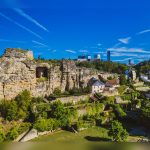
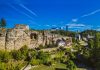
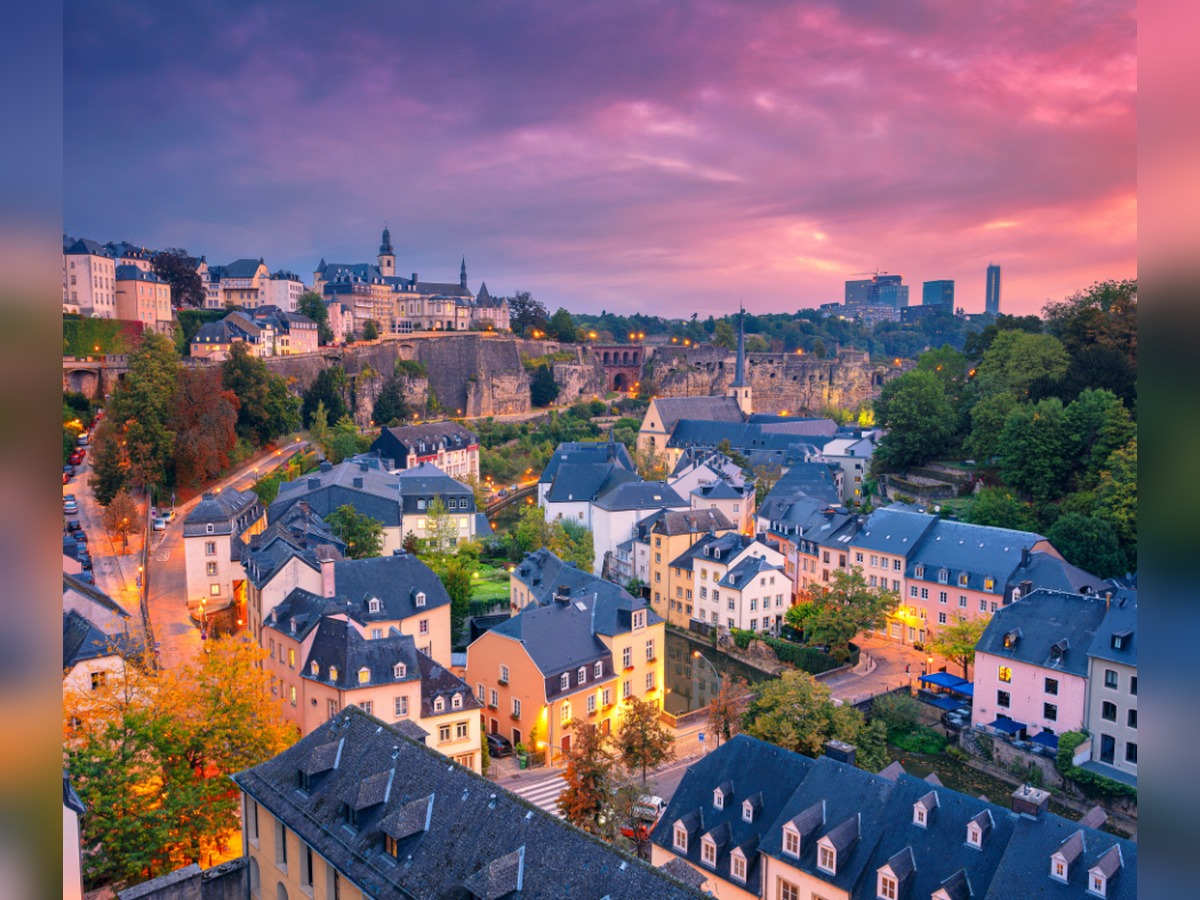
Water’s role in the capital extends beyond that modern network. The account identifies springs, fountains, rivers and valleys as longstanding elements of the city’s history. Historic washhouses and former fortress moats are among the examples it gives of water shaping urban life and the built environment.
These traces need careful interpretation. A washhouse documents a use of water, while a moat records a different function. Neither, by itself, establishes where nearby households obtained drinking water. The account does not provide a chronology of domestic wells, water collection or the introduction of household pipe connections.
It therefore supports a limited answer to the question of how people obtained water before modern networks: springs and fountains belong to the capital’s water heritage, but this source does not reconstruct the supply arrangements of individual communities across Luxembourg.
Today, access is also visible in public spaces. The tourist office says drinking fountains and public taps across the city let residents and visitors refill bottles free of charge. It promotes a reusable bottle featuring Melusina, Luxembourg’s legendary mermaid, connecting a practical service with a familiar cultural figure.
The clearest continuity is the continuing importance of natural water sources. Modern reservoirs, pipelines and monitoring now form the infrastructure around them. A fuller account of life before those networks would need more detailed historical evidence than the city’s visitor account supplies.