

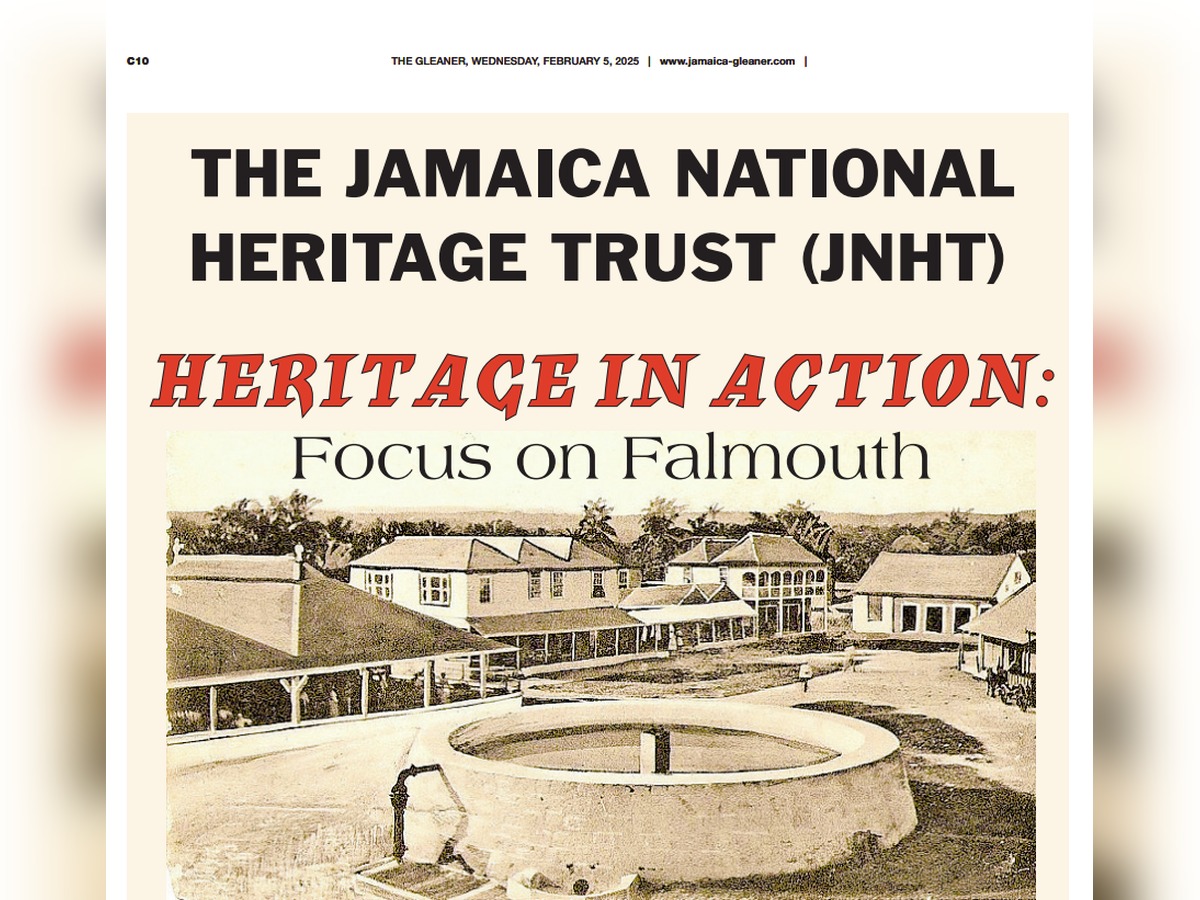
Protecting Jamaica’s heritage involves more than preserving the walls of old buildings. The Jamaica National Heritage Trust’s responsibilities extend to archaeological objects, historical research and helping communities safeguard places that matter to them.
According to the Trust’s institutional overview, its origins lie in the Jamaica National Trust Commission, established under Law No. 72 of 1958. A new law in 1985 changed the organisation’s name, expanded its functions and strengthened its enforcement powers.
Its legal mandate includes declaring or designating historically valuable places and objects as National Monuments or Protected National Heritage. That gives heritage protection a formal legal foundation, alongside the practical work of conservation and research.
The Trust also advises heritage property owners and guides development through its Heritage Development Review Committee. Its listed functions include archaeological and heritage impact assessments, conserving archaeological objects and conducting historical investigations.
Community participation is another part of the organisation’s work. The Trust assists groups through the establishment of Heritage Foundations and runs heritage education programmes in schools and communities.
The range of places listed on its website illustrates the breadth of that responsibility: railway stations, churches, courthouses, botanical gardens and archaeological sites all appear. Together, they show how Jamaica’s physical heritage reaches beyond prominent monuments into the places associated with transport, worship, public life and the natural environment.