
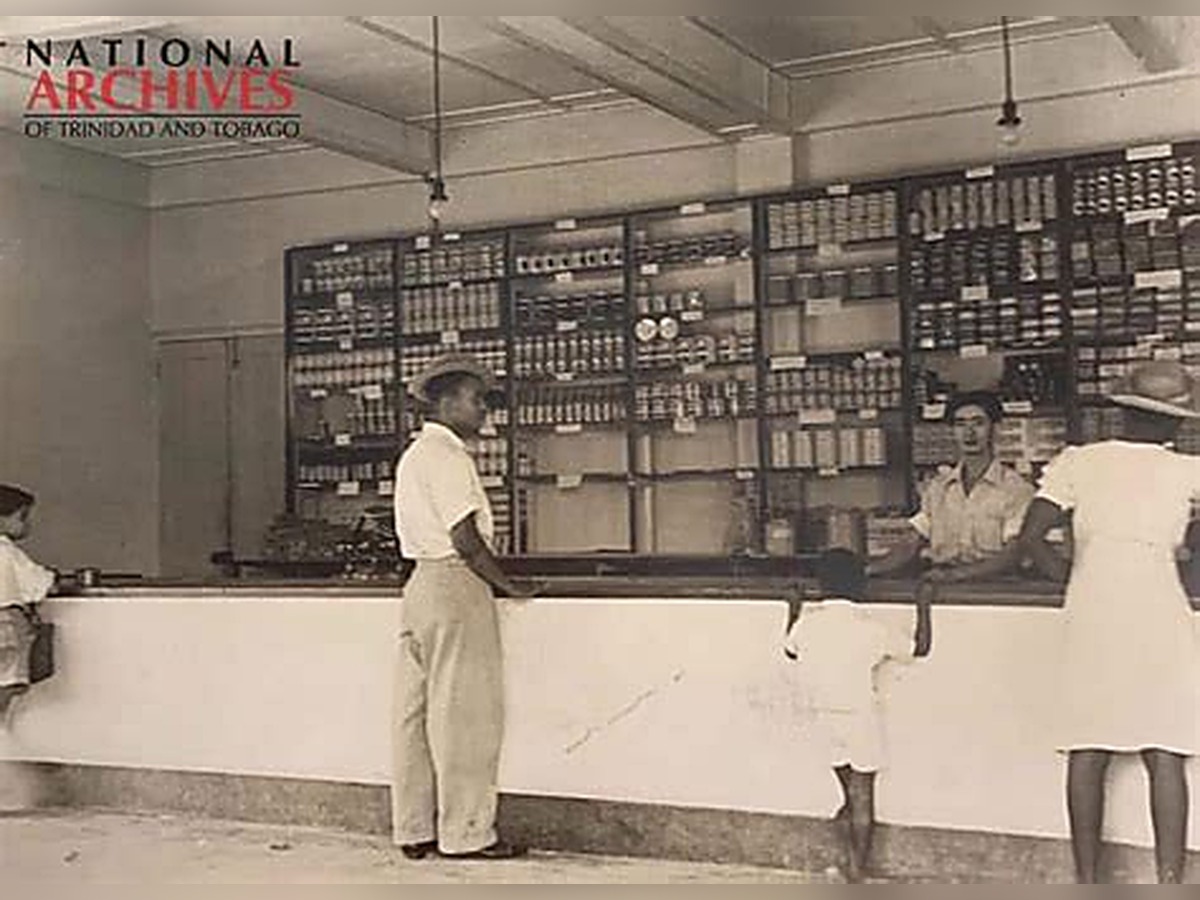
Trinidad and Tobago’s documentary memory includes much more than written government files. Photographs, maps, immigration records and audiovisual material all form part of the collections preserved by the National Archives of Trinidad and Tobago, according to the institution’s welcome page.
The Archives describes itself as the custodian of the country’s documentary heritage. Its work involves acquiring, processing, managing and making records accessible to citizens and researchers. Many of those records, the institution says, are unique and can be found only in its collections.
For people interested in family history, the page points towards an introductory guide to tracing ancestral roots, a list of Trinidad General Registers of Indian Indentureship covering 1845–1917, and a guide to the Merikin Collection. It also lists a preliminary guide to the audiovisual collection, showing the range of material available for historical investigation.
Preservation serves practical purposes alongside historical curiosity. The Archives identifies access to government records as part of citizens’ democratic rights and says its objectives include securing information for judicial and administrative purposes. It also provides records management advice and training, primarily to government agencies.
Through research services, exhibitions and other initiatives, the institution seeks to connect citizens with the sources of their history. Its collections offer a starting point for exploring how personal ancestry, public administration and national identity intersect in the surviving record.