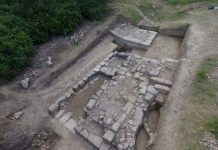

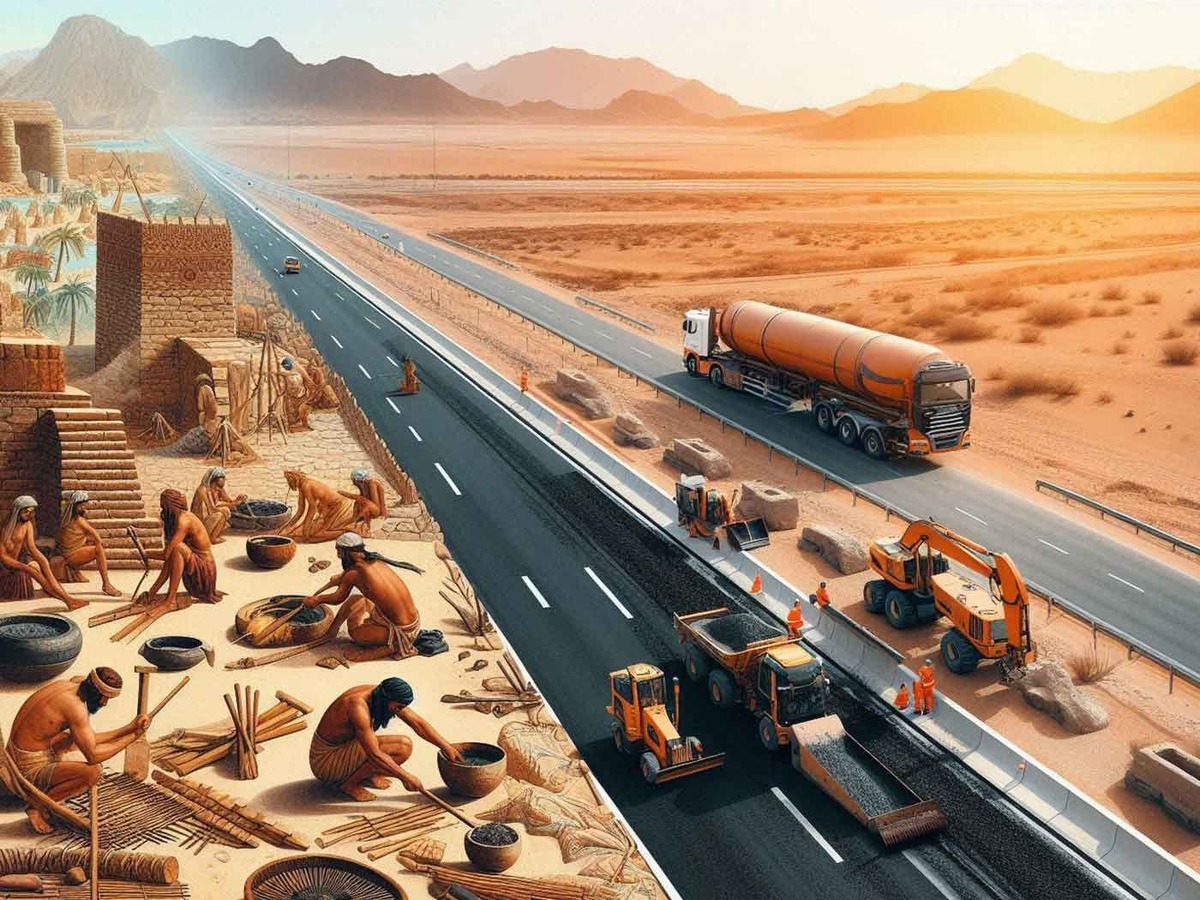
Long before Albania’s modern roads, its rugged landscapes were the stage for one of Europe’s earliest and most vital trade networks—centred on a single, sticky resource: bitumen. Archaeological evidence from the Late Neolithic era (around 5000 BC) reveals that communities in what is now Albania were harvesting and refining high-quality bitumen from natural deposits near Selenicë, a site that would later become a cornerstone of regional commerce.
This dark, tar-like substance wasn’t just a byproduct of the earth—it was a versatile commodity. Local artisans used it to decorate ceramics with waterproof pigments, seal broken pottery, and even as an adhesive in daily life. But its true value lay in its mobility. By the early 5th millennium BC, bitumen from Selenicë was being traded eastward, with traces found in southern Italy during the Neolithic and Bronze Age periods. This early export marked Albania as a critical node in prehistoric Europe’s emerging trade routes, connecting coastal settlements with inland communities and distant civilisations.
The bitumen trade wasn’t just about economics; it shaped cultural and technological exchange. The same communities that mined and processed bitumen were also among the first in Europe to exploit its properties for waterproofing and construction, skills that likely influenced neighbouring regions. While other parts of the Balkans focused on agriculture or metallurgy, Albania’s bitumen offered a unique, portable resource that could be carried by donkey, boat, or even human porters across the mountainous terrain.
What made this trade possible was the adaptability of Albania’s early transport networks. Without paved roads, travellers relied on seasonal paths, river routes, and the natural topography to move goods. The bitumen itself—heavy and viscous—would have required careful packaging, possibly in woven baskets or animal hides, to prevent spills during journeys that could take days or weeks depending on the destination. These routes weren’t just commercial arteries; they were lifelines for communication and cultural exchange, linking isolated valleys and coastal settlements in ways that prefigured later road networks.
The legacy of this trade endures. The bitumen fields of Selenicë have been exploited continuously for over 7,000 years, from Neolithic times to the present day. Today, they stand as a testament to Albania’s ancient ingenuity—a reminder that long before asphalt or tarmac, the country’s true ‘road’ was a path carved by bitumen, ambition, and the hands of those who dared to trade across its wild landscapes.