
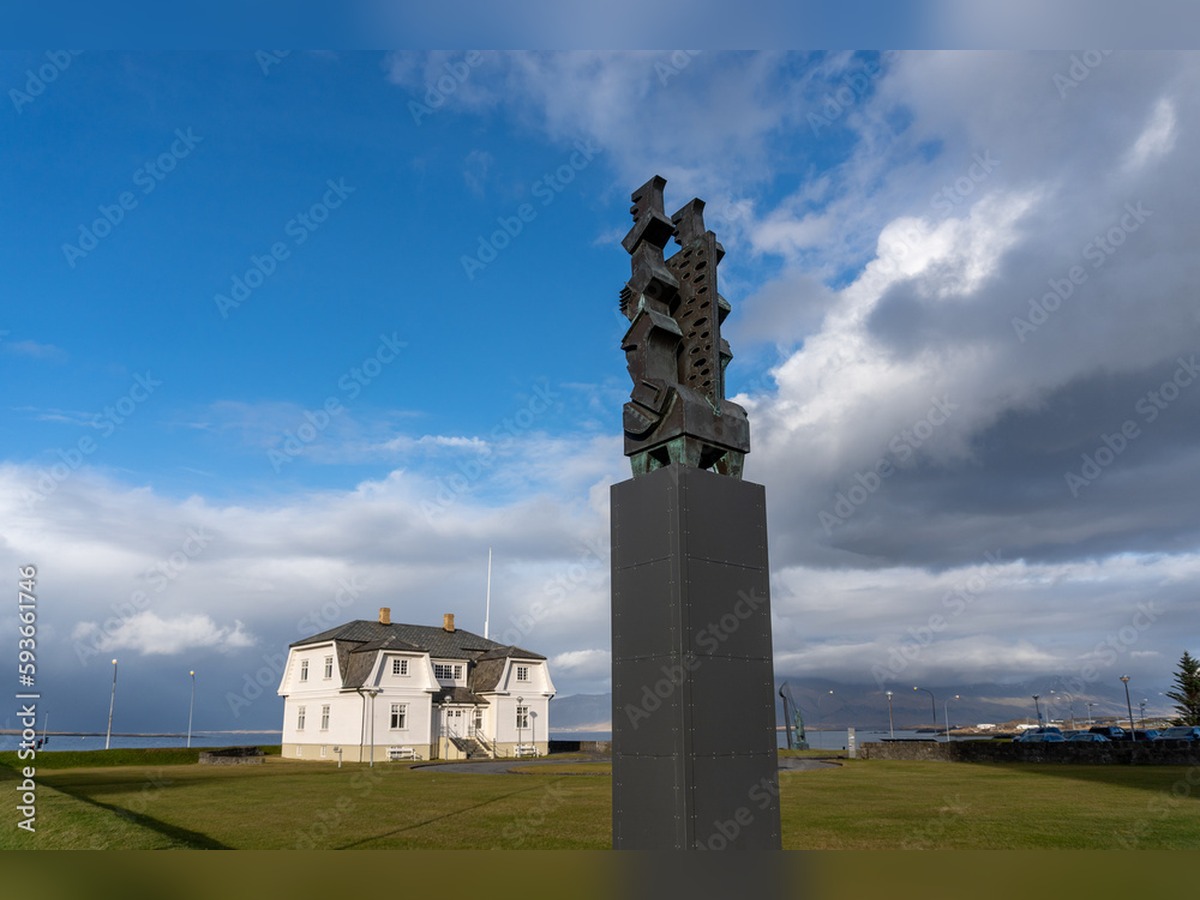
Legendary Icelandic settler Ingólfr Arnarson is credited with establishing the first permanent settlement on the island around AD 870, according to local lore.
The story says that Ingólfr chose the site by a traditional Norse ritual: when he saw land, he cast a spear over the water and vowed to settle where the gods would bring him ashore. Two of his slaves then searched the coast for three years before discovering a series of stone pillars in the bay that would become the foundation of Reykjavík.
The bay’s name, meaning “smoke bay,” comes from the steam that rises from the geothermal vents in the area, a feature that has long attracted settlers and visitors alike. The original name of the estate was lost for centuries, only to be revived when the city began to develop in the eighteenth century.
Although Reykjavík was officially founded as a trading town in 1786, the legend of Ingólfr Arnarson’s steam‑guided pillars remains a cherished part of the city’s cultural heritage and a reminder of the island’s earliest human presence.