Iceland’s geothermal hot springs are more than just a modern luxury—they are a tradition that dates back to the Viking Age. When Norse settlers first arrived in Iceland in the 9th century, they quickly discovered the island’s natural hot springs and incorporated them into their daily lives. These springs, powered by the Earth’s volcanic activity, provided warmth, relaxation, and even healing properties, making them an essential part of Icelandic culture.
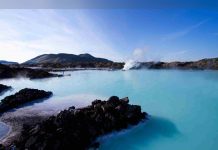
One of the most famous of these springs is the Blue Lagoon, though its origins are more recent than the Viking era. However, the tradition of bathing in natural hot springs is deeply rooted in Iceland’s history. The earliest references to these springs appear in the sagas, where they are described as places where people would gather to socialise, heal, and even settle disputes. The warmth of the springs was particularly valuable in Iceland’s harsh climate, offering a rare respite from the cold.
The use of geothermal pools extended beyond mere relaxation. Many of these springs were believed to have medicinal properties, and they were often used to treat ailments such as arthritis, skin conditions, and muscle pain. The minerals in the water, including silica and sulphur, were thought to have healing effects, and many Icelanders still rely on these natural remedies today.
In addition to their practical uses, hot springs played a social role in Icelandic communities. They were places where people could gather, share stories, and strengthen bonds. This tradition continues to this day, with modern hot springs like the Sky Lagoon and Secret Lagoon serving as popular destinations for both locals and tourists. These facilities often incorporate elements of Iceland’s natural landscape, such as lava fields and waterfalls, creating a sense of harmony between the built environment and the surrounding nature.
The sustainability of Iceland’s geothermal resources is another aspect of this tradition. Icelanders have long understood the importance of preserving their natural environment, and the use of geothermal energy for heating and bathing reflects this commitment. Today, Iceland is a global leader in renewable energy, with geothermal power accounting for a significant portion of the country’s electricity and heating needs.
For visitors to Iceland, experiencing a geothermal hot spring is a must. Whether it’s soaking in the Blue Lagoon under the stars or relaxing in a more secluded spring like Reykjadalur, these natural wonders offer a unique connection to Iceland’s past and present. They are a testament to the ingenuity of Iceland’s early settlers and the enduring appeal of the island’s natural beauty.