What would happen if Luxembourg City banned private cars every Friday? The idea would test a question that the country’s existing transport policy has not settled: whether making public transport free is enough to persuade people to leave their cars at home.
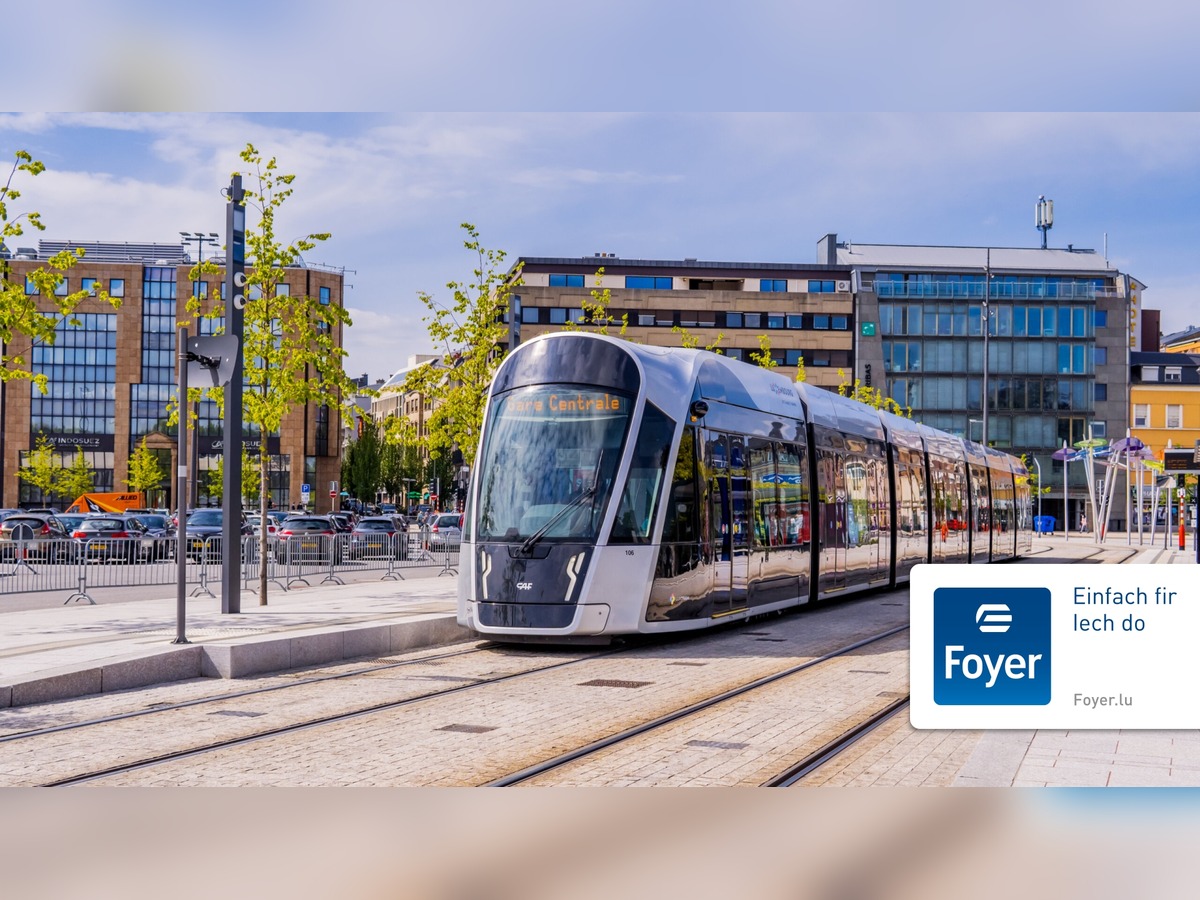
Luxembourg introduced nationwide fare-free public transport in 2020, becoming the first country to eliminate standard-class fares across its national network. The measure covered trains, trams and buses, extending a policy that had previously provided free travel to certain groups, including young people and eligible low-income residents.
The rationale went beyond saving passengers money. According to a case study published by the European Commission’s Urban Mobility Observatory in 2021, the policy aimed to promote social inclusion, increase public transport use, encourage walking and cycling, and reduce the environmental costs of urban transport. The study estimated that around 40% of Luxembourg households could benefit, with savings of approximately €100 per household each year.
A Friday car ban would be a different intervention. Instead of making one transport option cheaper, it would restrict another. Its effectiveness would depend on which journeys were covered, how exemptions were handled and whether suitable alternatives were available to people who needed to reach workplaces, shops, schools or appointments.
The practical challenge is particularly important for a capital connected to a cross-border labour market. A 2020 report by CGTN described Luxembourg as receiving more than 210,000 workers from France, Belgium and Germany on a typical working day at the time. Many travelled by car, contributing to congestion. Those figures describe the situation reported in 2020, not a current commuter count, but they illustrate why a city-centre restriction could affect journeys that begin well outside the capital.
Free fares would remove ticket costs, but they would not automatically make every journey convenient. Some workers travel between several sites during the day, while others may live far from a useful public transport connection. CGTN reported that one employee who drove into Luxembourg City did not intend to abandon the car because some customer visits required travelling to distant locations. Another worker described switching to the bus after repeatedly encountering heavy traffic.
A workable Friday experiment would therefore need to distinguish between journeys that could readily move to public transport and those requiring other arrangements. Park-and-ride facilities, reliable connections from neighbouring countries, safe walking and cycling routes, and clearly defined exemptions could all form part of the policy design. These are potential measures to consider, not evidence that a particular ban would succeed.
There would also be questions for businesses. Reduced through-traffic might make some central areas more pleasant to visit, but restrictions could complicate deliveries, customer access and journeys for people with limited mobility. The available sources do not establish whether a weekly ban would increase or reduce retail sales in Luxembourg City.
Environmental gains would likewise depend on what people did instead. Replacing car journeys with public transport, walking or cycling could reduce traffic-related pollution, whereas shifting journeys to longer routes or alternative vehicles would produce different results. The European Commission’s review cautioned that the benefits and disadvantages of fare-free transport vary with local conditions and that important outcomes, including effects on employment opportunities, had not been adequately evaluated.
A car-free Friday would thus be a policy experiment rather than a guaranteed solution. Measuring traffic levels, public transport crowding, accessibility, business activity and air quality before and during a trial would help establish whether the restriction delivered benefits without imposing disproportionate costs. Luxembourg already offers a useful starting point through its free transport network; the unanswered question is whether changing the rules for cars would achieve something that free fares alone cannot.