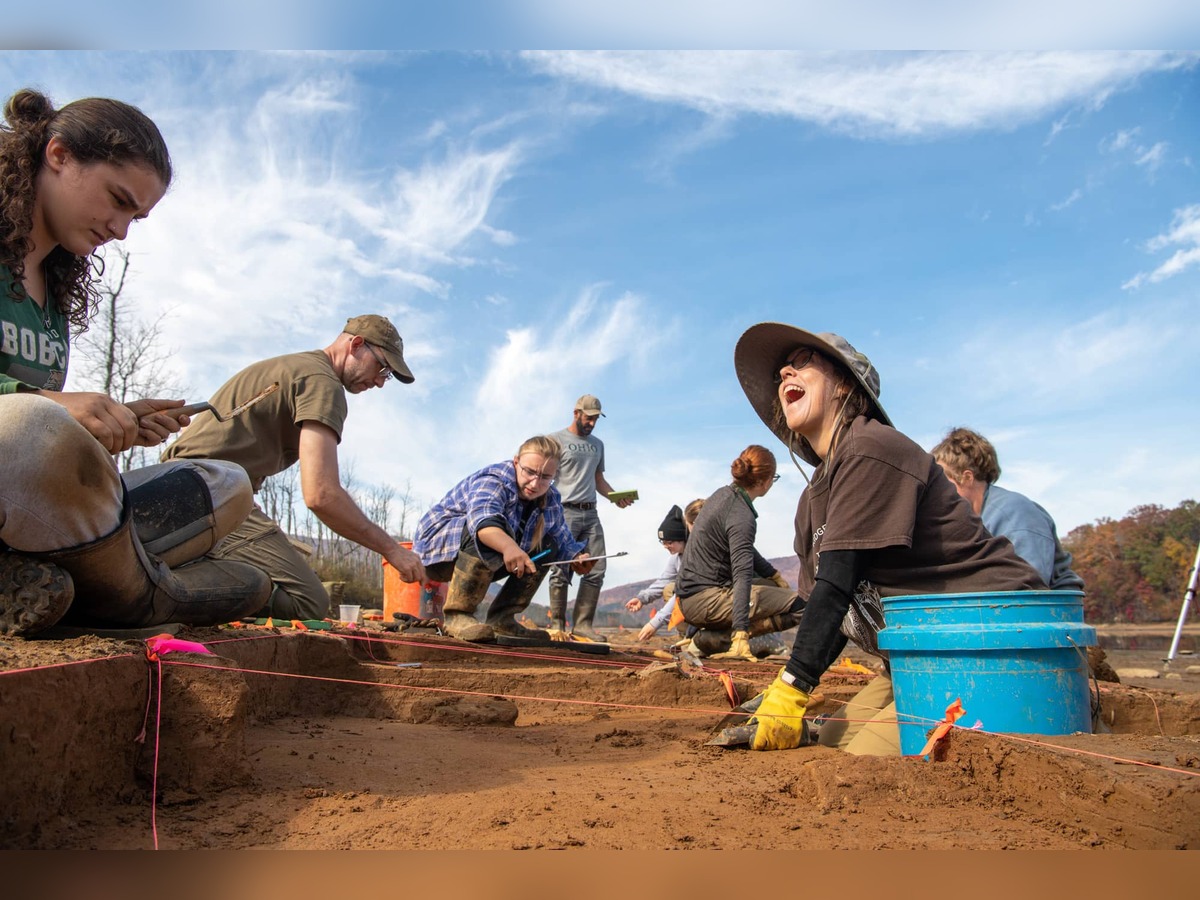
An archaeological discovery does not have to be a spectacular monument or a treasure-filled tomb to tell a compelling story. Ordinary objects, traces of settlements and evidence of past environments can help researchers reconstruct how people lived, organized communities and responded to change. At the College of Wooster in Ohio, archaeology education is built around learning how to interpret those clues through fieldwork, laboratory analysis and original research.
The college’s archaeology program describes archaeologists as investigators who study artifacts, ancient communities and the environments in which people lived. By bringing these lines of evidence together, researchers can develop explanations of how societies built communities, adapted to changing conditions, created art and managed everyday life. The approach combines historical interpretation with scientific observation and analytical methods.
Students at Wooster can study archaeological method and theory alongside subjects such as the archaeology of Mesoamerica, Mesoamerican art and iconography, bioarchaeology of marginalized populations, laboratory analysis and cultural resource management in the United States. The range of courses reflects the fact that archaeology is not limited to excavating sites. It also involves understanding material culture, examining human remains ethically and scientifically, and assessing how archaeological resources should be preserved and managed.
The program emphasizes research experience. According to the college, faculty lead active research programs in Guatemala, Mexico and Kentucky, giving students opportunities to participate in archaeological work in the United States and abroad. Students can also gain experience through internships with local museums, forensic laboratories and cultural resource management organizations.
Laboratory work is another part of the training. Wooster says students can work with archaeological collections from Ohio and Pella, Jordan, use a Mesoamerican research library and collaborate on projects that develop their practical skills. These opportunities help students learn how objects are examined and interpreted after fieldwork, when researchers must carefully document evidence and consider what it can—and cannot—reveal about the past.
The college also highlights close faculty mentorship, including opportunities for students to undertake a yearlong independent study. Research assistants and teaching assistants can gain experience in activities that the program says are often reserved for graduate students at other institutions. Students may also participate in conference presentations and collaborative projects.
Archaeology at Wooster is presented as a field that connects the humanities, social sciences and natural sciences. An artifact’s shape or decoration may provide clues about artistic traditions, while its material and location can help researchers investigate production, exchange or patterns of settlement. Environmental evidence can add another dimension, helping researchers consider how people interacted with the landscapes around them.
Those interpretations require care. A single object rarely explains an entire society, and archaeological conclusions depend on context, comparison and the quality of the evidence. The college’s emphasis on fieldwork, laboratory methods and analytical skills reflects the need to build interpretations from multiple kinds of information rather than rely on dramatic discoveries alone.
The program identifies several possible paths for graduates, including cultural resource management, special collections work, public education, museum-related careers and further study at the master’s or doctoral level. These options illustrate how archaeological training can be applied both to research and to the preservation and communication of cultural heritage.
The central appeal of archaeology is its ability to turn physical traces into carefully reasoned accounts of human experience. At Wooster, students are introduced to that process through a combination of coursework, mentorship and hands-on investigation, learning to ask not only what an object is, but what the evidence surrounding it can reveal about the people who left it behind.