From 1 November, Iceland will reduce its grant for eligible electric passenger cars by ISK 100,000, cutting support from ISK 500,000 to ISK 400,000. The Ministry of the Environment, Energy and Climate announced the change on 14 October, alongside a new price ceiling for eligible vehicles. Cars costing more than ISK 8 million will no longer qualify, down from the previous limit of ISK 10 million.
The reduction in grants reflects the government’s assessment that falling electric-car prices and previous subsidy patterns have shifted the need for direct financial support. The ministry stated that earlier grants disproportionately benefited higher-income groups, prompting a rethink of how incentives should be allocated. The new ceiling is intended to focus assistance on more affordable electric vehicles, aligning with broader efforts to make sustainable transport accessible.
Support for other vehicle types, such as vans, goods vehicles, and buses, remains unchanged but is limited to companies and individuals actively operating a business. The grant adjustment is part of a broader review of the Climate and Energy Fund, which will set the rules for eligibility moving forward. Prospective buyers are advised to check the fund’s updated conditions before making a purchase, as individual vehicle eligibility is not automatically guaranteed by the announcement.
The change comes as Iceland continues to expand its charging infrastructure. Recent reports highlight plans for 21 additional charging stations outside Reykjavík, though the grant reduction does not address charger accessibility. Meanwhile, slower-than-expected electric-vehicle sales and registrations in recent years may have influenced the government’s decision to refine its subsidy approach.
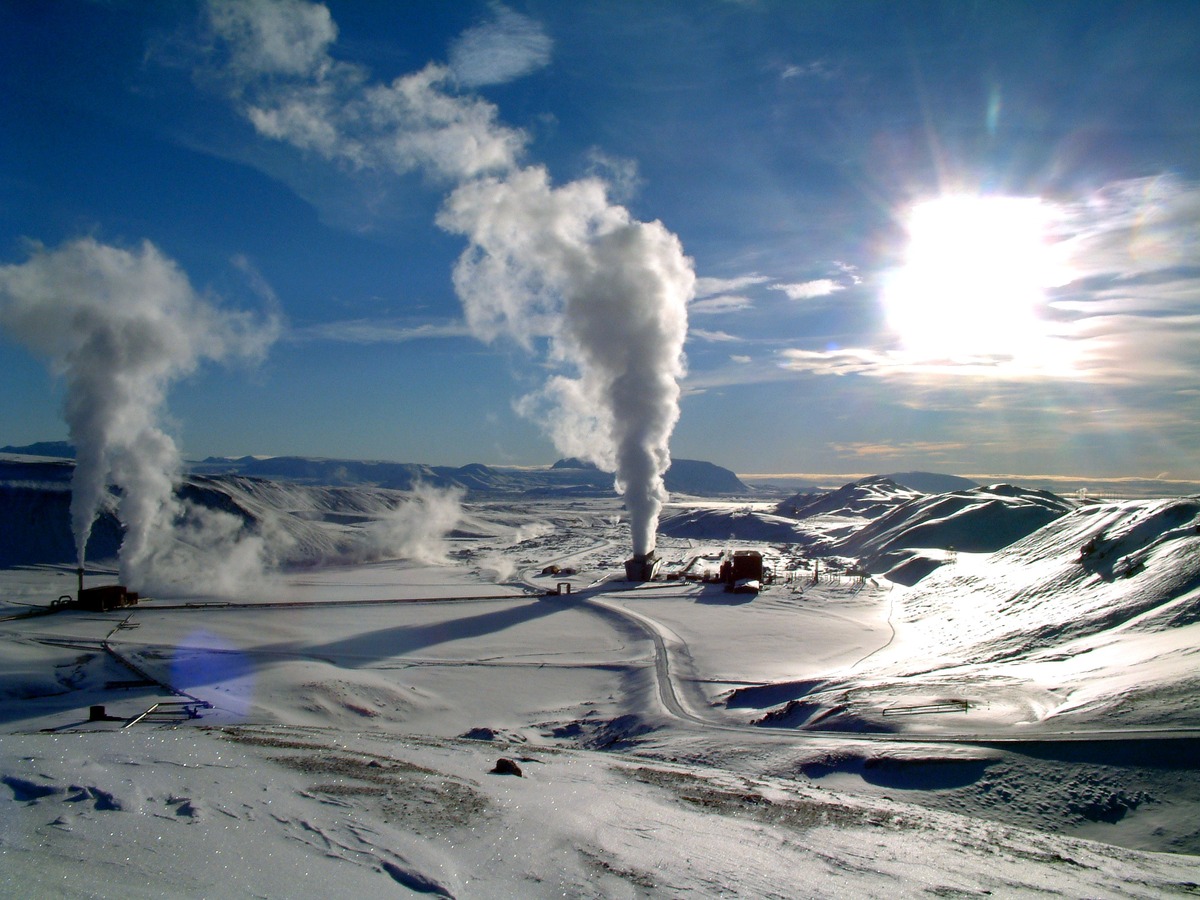
Context: Iceland has long been a leader in renewable energy, with over 99% of its electricity generated from hydropower and geothermal sources. The shift in electric-vehicle incentives reflects both environmental goals and economic pragmatism as the market evolves.