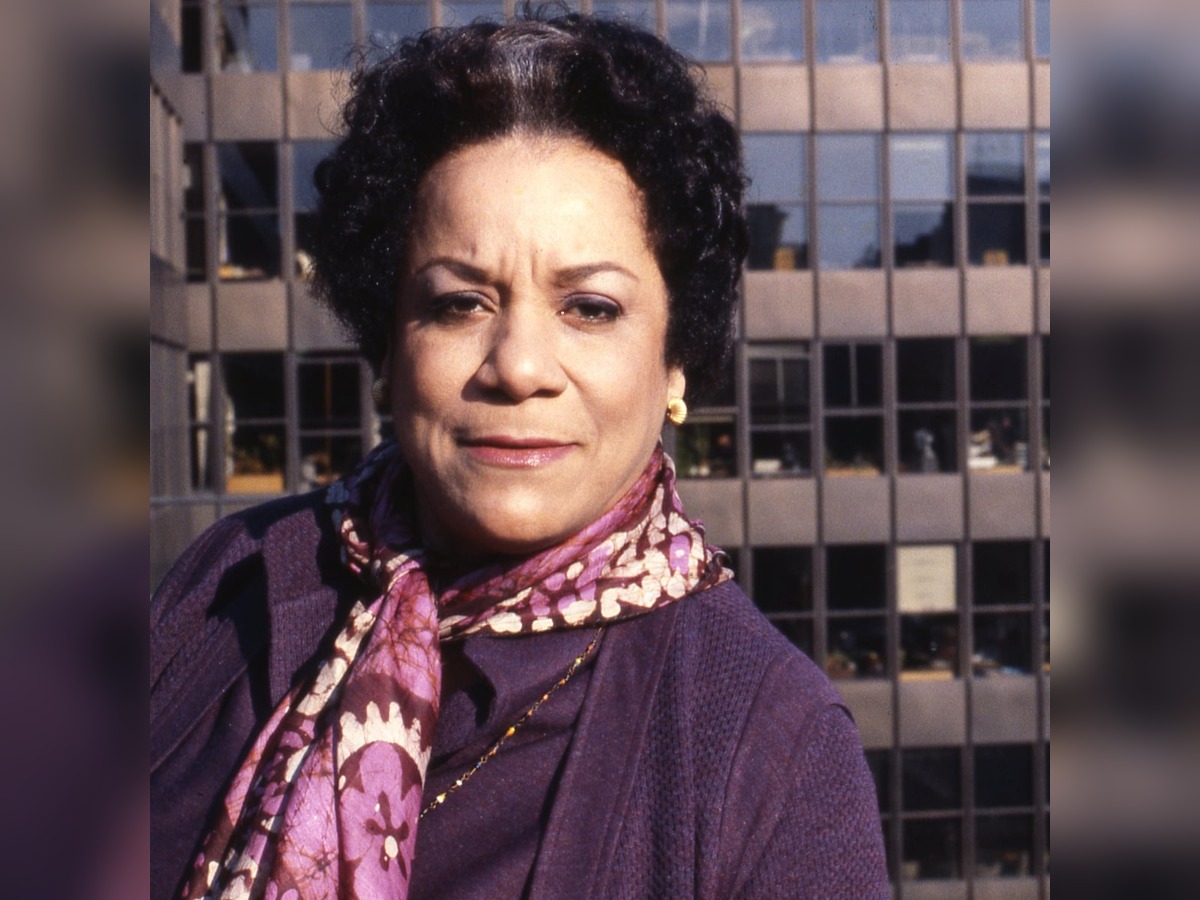
Dame Jocelyn Barrow made history as the first Black woman to serve as a governor of the BBC, a role that cemented her legacy as a pioneering figure in British society. Born in Trinidad in 1929, Barrow moved to the UK in 1959 to study Youth Leadership and Community Work at the University of London. Her activism began in earnest during the 1960s, a period marked by racial discrimination and systemic barriers for Black communities in Britain.
Barrow co-founded the Campaign Against Racial Discrimination (CARD) in 1964, a pivotal moment in the fight against racial inequality. Her efforts contributed directly to the passage of the Race Relations Act 1968, which outlawed discrimination in employment—a landmark achievement in UK civil rights history. She later became Chair of the National Organisation for the Development of Associations of the Advancement of Coloured People (NAACP) and served on the Commission for Racial Equality, further solidifying her influence in policy and advocacy.
Beyond her work in race relations, Barrow was a vocal advocate for women’s rights, serving on the Women’s National Commission and the Women’s Consultative Committee on Race Relations. Her appointment as a BBC governor in the 1980s was a testament to her broader impact on British institutions. Dame Jocelyn Barrow was awarded a CBE in 1976 and elevated to Dame in 1992 for her services to education and race relations. She passed away in 2020 at the age of 90, leaving behind a legacy of resilience and progress.
Barrow’s story highlights the intersection of race, gender, and institutional change in post-war Britain. Her refusal to accept exclusion—whether in employment, education, or media—challenged systemic norms and paved the way for future generations. As she once remarked, ‘There’s no point shouting and screaming because nobody listens’—yet her quiet determination reshaped British society.