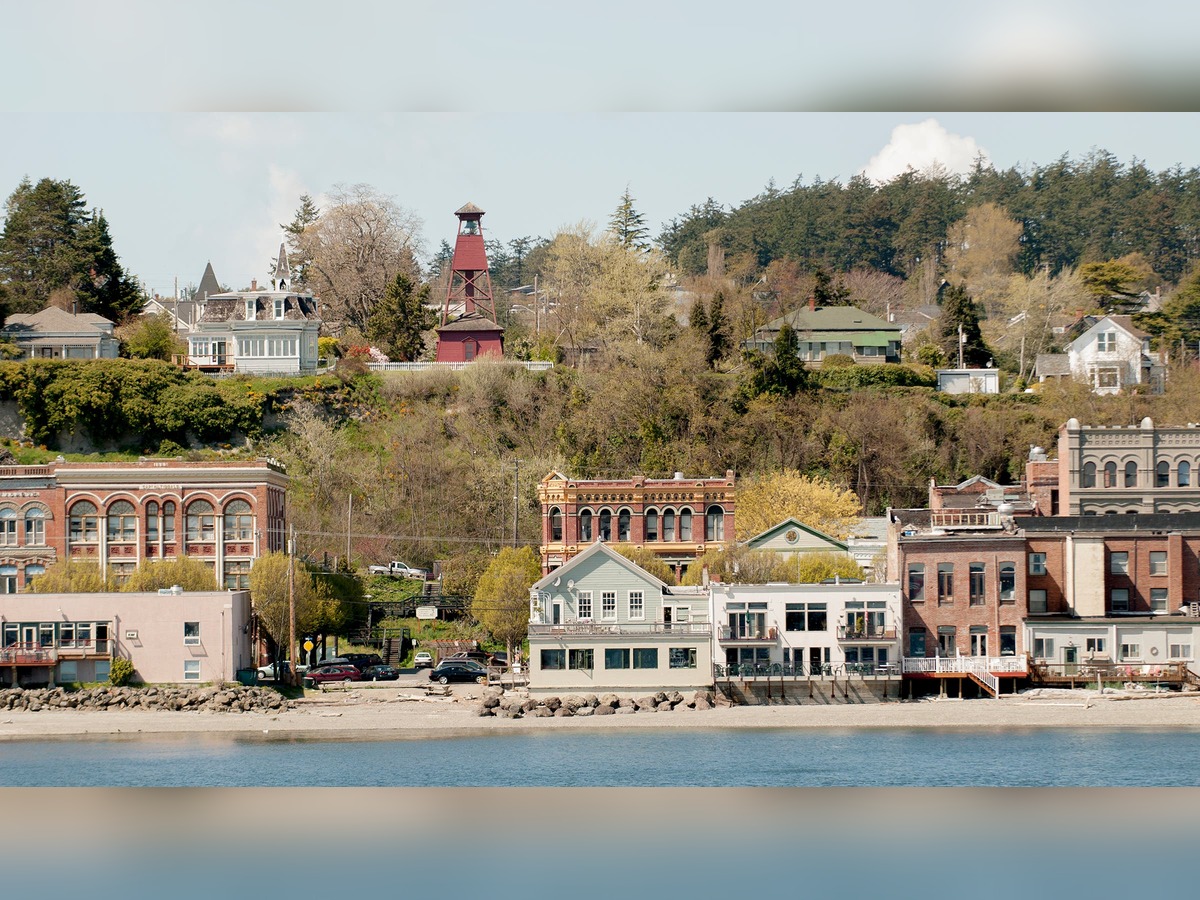
In 25 years, some of America’s most iconic coastal cities could look unrecognisable—not due to urban planning or economic shifts, but because of rising sea levels and erosion, driven by climate change. Scientists warn that by 2050, cities like Miami, New Orleans, and Norfolk may face chronic flooding, submerged infrastructure, and forced relocations, altering their physical and cultural identities forever.
The primary threat is accelerated sea-level rise, which is happening three to four times faster than in the 20th century. A 2022 report by the U.S. National Oceanic and Atmospheric Administration (NOAA) projected that by 2100, global sea levels could rise 1 to 4 feet, with some regions—like the Gulf Coast and Southeast—experiencing even greater increases due to land subsidence. For coastal cities, this means frequent tidal flooding, saltwater intrusion into freshwater supplies, and eroding shorelines that threaten homes, roads, and historic districts.
Take Miami, for example. The city sits on a porous limestone bedrock, making it particularly vulnerable to flooding. Already, King Tide events (when high tides coincide with full moons) cause street flooding in low-lying areas, and by 2040, some neighborhoods could be uninhabitable without costly elevation projects or seawalls. Similarly, New Orleans, still recovering from Hurricane Katrina (2005), faces long-term subsidence—the city is sinking at a rate of about an inch per year—combined with rising seas, which could submerge up to 20% of its land by 2100.
Cities are responding with adaptation strategies, but the choices are stark. Hard infrastructure—like flood barriers, elevated roads, and storm surge walls—can provide short-term protection but are expensive and may not be sustainable in the long run. Managed retreat, where governments relocate communities away from high-risk zones, is gaining traction in places like North Carolina, but it’s politically and socially contentious. Some cities are investing in natural solutions, such as restoring wetlands and dunes, which act as buffer zones against storms.
The cultural impact could be profound. Historic waterfront districts, like Charleston’s Battery or Boston’s North End, may become flood-prone relics unless drastic measures are taken. Even tourism-driven economies, which rely on iconic coastal landmarks, could suffer if beaches erode or cities become less accessible. The question facing policymakers is not if these changes will happen, but how quickly cities can adapt—and whether they will prioritise protection, relocation, or acceptance of a transformed landscape.