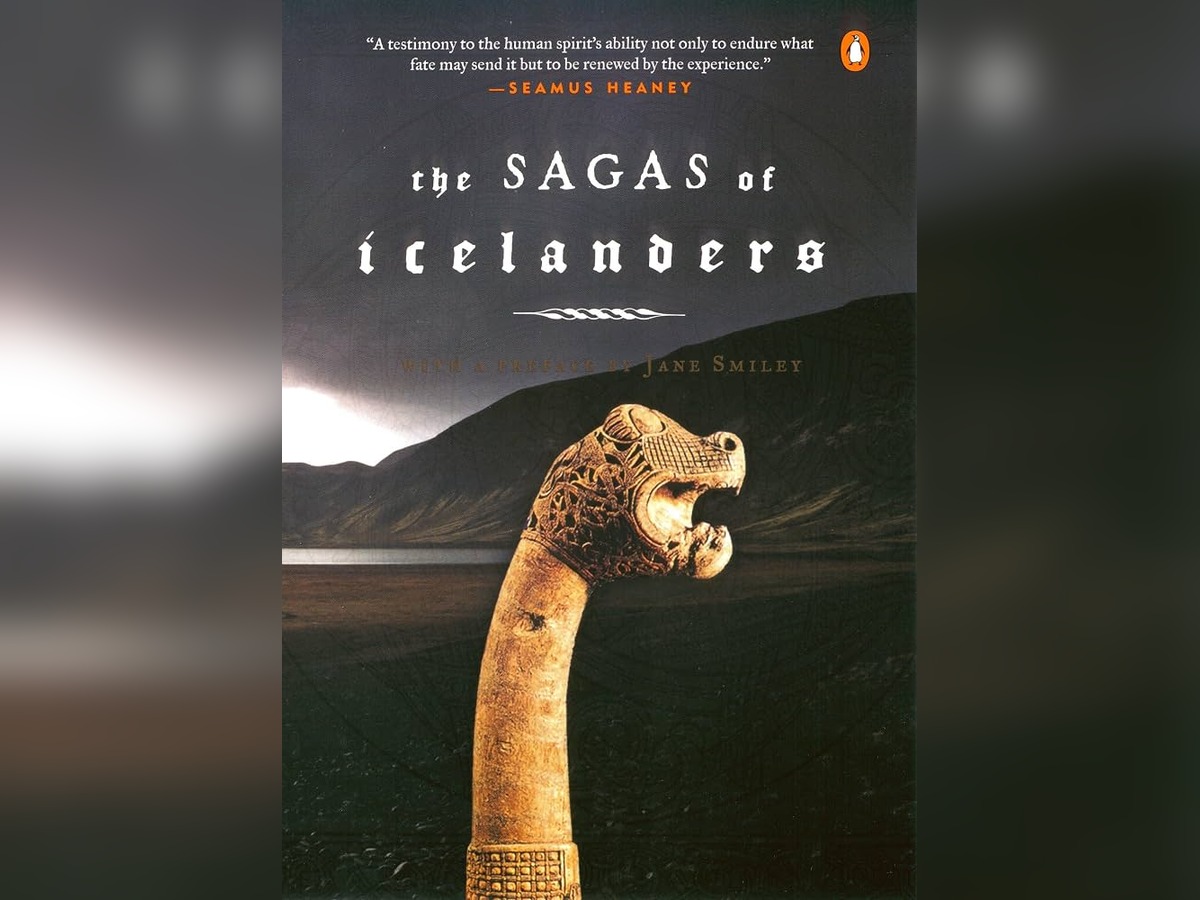
The Icelandic sagas are a cornerstone of the country’s cultural heritage, offering a window into the medieval world of Viking-age Iceland. These prose narratives, written in the 13th and 14th centuries, blend history, mythology, and legend to tell the stories of Iceland’s early settlers, their conflicts, and their struggles to establish a society in a harsh and isolated land. Unlike many medieval texts, the sagas were not written by clergy but by Icelandic chieftains and scholars, reflecting the values and experiences of the common people.
The sagas serve multiple purposes in Icelandic society. They function as collective memory, preserving the names, deeds, and moral lessons of Iceland’s ancestors. Many sagas, such as Njáls saga and Egils saga, are set in specific places across Iceland, creating a living link between the past and the present. These stories were originally passed down orally before being committed to manuscript, a tradition that highlights their role as both entertainment and educational tools.
Beyond their historical value, the sagas also play a cultural role in Iceland today. They are seen as foundational texts that define Iceland’s national identity, reinforcing themes of independence, resilience, and the importance of oral tradition. Modern Icelanders often draw on the sagas to understand their ancestors’ worldviews, legal systems, and social structures. The sagas’ enduring popularity is evident in their continued study in schools, their adaptations in literature and film, and their influence on Icelandic literature and folklore.
For visitors to Iceland, the sagas offer a deeper connection to the country’s landscape and history. Many saga sites, such as the ruins of Höfðabrekka in Njáls saga or the volcanic landscape of Landnámabók (the Book of Settlements), can be explored, providing a tangible link to the stories that have shaped Iceland’s cultural identity. The sagas are more than just ancient texts; they are a living testament to Iceland’s enduring spirit and creativity.