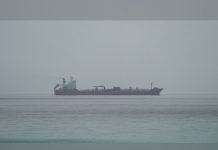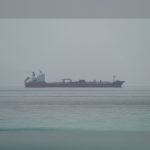
The United Kingdom Maritime Trade Operations (UKMTO) has reported two separate incidents involving British-linked tankers in the Strait of Hormuz and Oman’s Sohar anchorage over the weekend, highlighting the growing risks to global oil shipping routes. One vessel was struck by a drone near Sohar, while another sustained damage from an unidentified projectile as it transited the critical Strait of Hormuz—a chokepoint through which roughly 20% of the world’s oil supply passes daily.
The attacks come amid escalating tensions in the Middle East, where Houthi militia strikes on Saudi Arabia’s Riyadh International Airport have killed at least 13 people and injured over 300. The UK Foreign Office has not yet issued a specific warning for British nationals in the region, but the incidents underscore the broader instability threatening maritime trade. The Strait of Hormuz, a narrow waterway between Iran and Oman, has been a flashpoint for years, with past attacks by Iranian-backed groups disrupting oil flows to Europe and Asia.
For the UK, the consequences are twofold. First, British oil companies and insurers—including those operating in the North Sea—face heightened risks of supply chain disruptions. Second, the UK’s energy security relies heavily on stable oil imports; any prolonged instability in the Strait could push prices higher, exacerbating inflationary pressures already felt by British consumers. The UKMTO’s reports suggest that while no British vessels were directly involved in the latest incidents, the proximity to key trade routes means UK-linked shipping could be indirectly affected.
Analysts warn that the situation remains fluid. Goldman Sachs has raised its forecast for Brent crude prices to $90 per barrel by December, citing persistent geopolitical risks. The UK’s National Infrastructure Commission has previously highlighted the vulnerability of global oil supply chains, noting that even minor disruptions in the Strait of Hormuz could lead to price spikes. For now, British shippers are advised to monitor advisories from the UKMTO and the Foreign Office, with some companies reportedly rerouting vessels through alternative, albeit longer, routes.
The incidents also raise questions about the UK’s role in mitigating such risks. While London has not directly intervened in the Strait of Hormuz, British military assets in the region—including the aircraft carrier HMS Queen Elizabeth—have been deployed in past operations to protect shipping lanes. The current attacks may prompt further discussions on whether additional measures are needed to safeguard UK economic interests in the face of rising Middle East volatility.