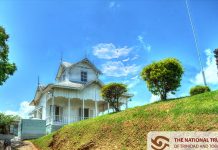

Fort King George above Scarborough is more than a scenic lookout. Its surviving walls, cannons and buildings preserve a period when European powers repeatedly fought for control of Tobago.
The National Trust of Trinidad and Tobago says the story on Scarborough Hill began in October 1777, when British Governor General Lord George Macartney authorised two barracks, a double kitchen and a parade ground for two companies of soldiers. Work was nearly complete by 1779.
That British foothold did not last. Tobago fell to France in June 1781, and the French began building a fort on the hill in 1784. Construction paused, resumed and was accompanied by a succession of names that reflected political change. The site became Fort Castries, then Fort Republique and later Fort Liberte after a garrison revolt.
Britain recaptured the fort in 1793. Tobago returned to France in 1801 but became a British colony again in 1803. By 1804, the hilltop complex was being called Fort King George after King George III.
Nature also altered the site. A hurricane in October 1847 damaged or destroyed most of its buildings, although a garrison remained there until 1854.
Today the fort’s elevated position helps explain why it mattered. From the hill, troops could observe Scarborough, the harbour and the approaches to Tobago. The location served both as a defensive point and a visible statement of whichever empire held the island at the time.
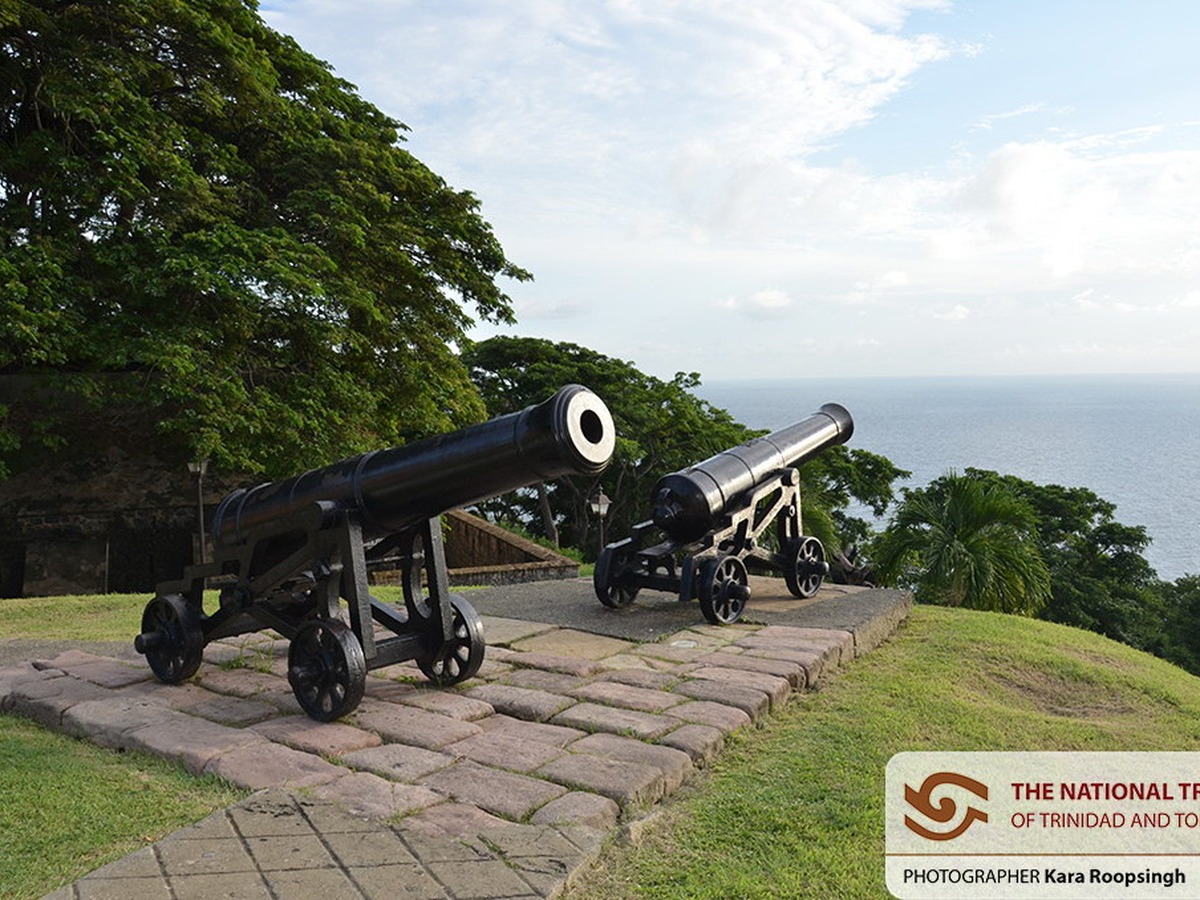
The surviving complex now includes restored military structures and the Tobago Museum. Its cannons and stonework make the island’s colonial struggles tangible, while the sequence of names reveals how quickly authority could change.
Fort King George therefore tells a story larger than one military installation. It shows how Tobago’s strategic position drew competing powers, how political upheaval was written onto the landscape and how a former garrison became a public heritage site.