
Queen’s Park Savannah is one of Trinidad and Tobago’s best-known public spaces, associated with Carnival, exercise, sport and generations of Port of Spain life. Yet within the Savannah is a much quieter piece of the capital’s history: the Peschier family cemetery, a burial ground whose survival is tied directly to the transaction that transformed the former estate into public space.
Records published by the National Archives of Trinidad and Tobago show that in 1816 Governor Sir Ralph Woodford informed the Cabildo that the heirs of Madame Peschier had proposed the sale of their St. Ann’s Estate. The authorities agreed to offer £6,000, with the money to be paid in three instalments of £2,000. The formal deed of conveyance was executed on August 18, 1817, with the property scheduled to be handed over to the Cabildo the following day.
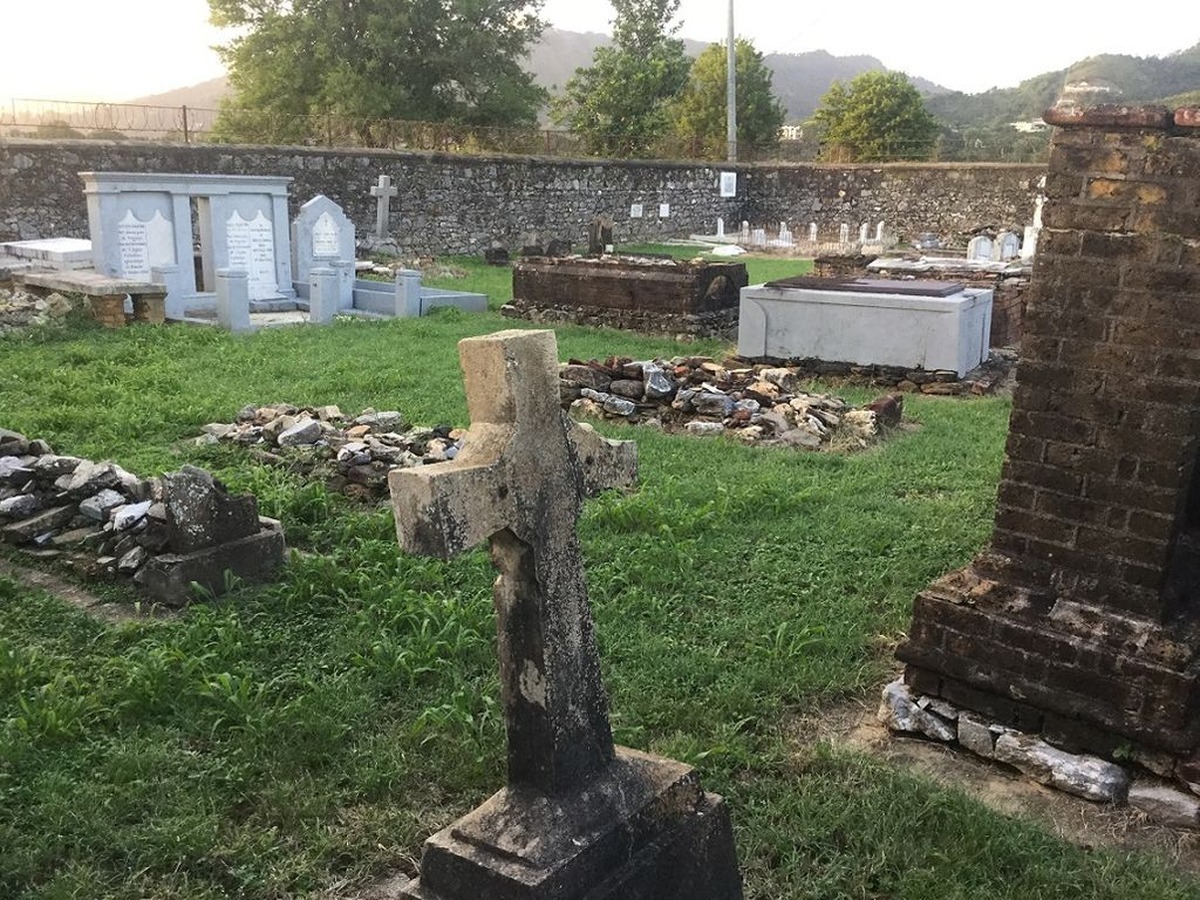
One detail in that agreement ensured that part of the Peschier family’s presence would remain. The heirs specifically reserved a piece of ground where members of the family had already been buried. That excluded burial plot became the Peschier Cemetery, which remains within the Savannah more than two centuries later. The National Archives’ photographic record includes views inside the cemetery and the grave of Celeste Rose Peschier, providing a visible link to the family associated with the property before it became one of Port of Spain’s defining public spaces.
The purchase also challenges any simplified version of the Savannah’s origins. The land was acquired through a documented sale rather than simply appearing as a public park. The stated intention was that the property would be used as a park and a place of exercise and recreation for the public, a purpose that remains recognisable today.
The Savannah did not immediately develop into the space Trinidadians know now. For years it was used largely for grazing cattle belonging to residents of Port of Spain. Its role gradually expanded. A Grand Stand was erected in 1854 and horse racing became an annual attraction. The grounds also hosted local and intercolonial cricket and even provided Port of Spain residents with an early golf course. The National Archives records that the last cricket match there was played in 1896, when the club moved to the Oval.
Another major chapter began after the Town Hall fire of 1948. With the Prince’s Building being used as a temporary Town Hall, the Parade of Bands was staged at the Savannah’s Grand Stand, helping cement the area’s enduring relationship with Trinidad Carnival.
Today, joggers, vendors, masqueraders, families and motorists move around a landscape shaped by more than two centuries of changing public life. The Peschier Cemetery remains an unusually intimate reminder of what came before. Hidden behind its walls is evidence that one of Trinidad’s most public spaces still contains a piece of land deliberately kept apart when the Savannah itself changed hands.