
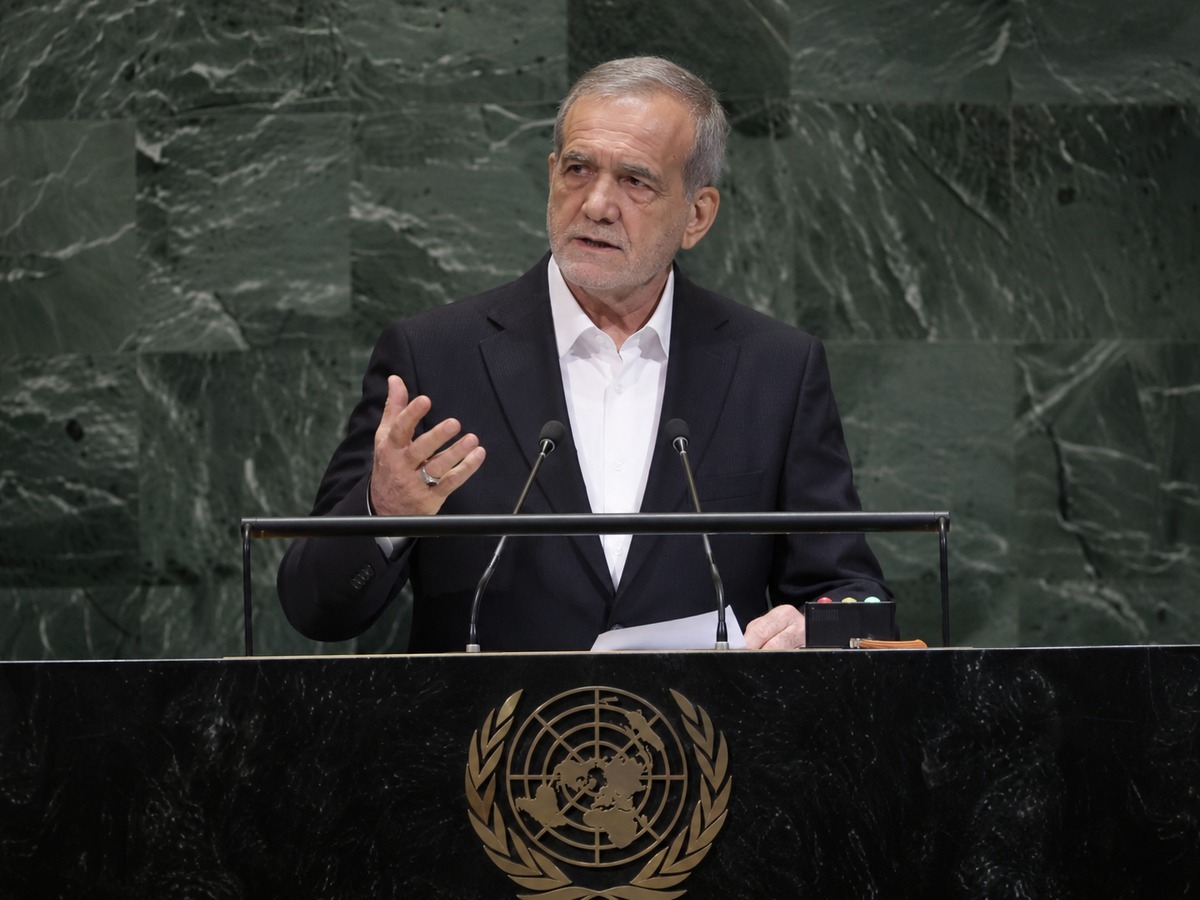
Iranian Foreign Minister Abbas Araghchi said Sunday that his country is prepared for renewed fighting with the United States while continuing to pursue diplomacy, underscoring the fragile state of relations between Washington and Tehran as tensions remain high over the Strait of Hormuz and Iran’s nuclear programme.
Speaking in an interview with NBC News’ Meet the Press, Araghchi said Iran was prepared to respond if military action resumed. He also stressed that Tehran had not abandoned negotiations. His remarks presented what Iranian officials described as a dual approach: maintaining military readiness while continuing to seek a negotiated settlement with Washington.
Araghchi’s comments came after US President Donald Trump publicly rejected an Iranian proposal connected to reopening the Strait of Hormuz and restarting negotiations. Araghchi told NBC that Iran had heard Trump’s public rejection but was still awaiting a formal response through diplomatic intermediaries. The Iranian foreign minister said Tehran remained willing to reopen the strategically important waterway if an agreement could be reached on conditions sought by Iran.
Those conditions include the release of frozen Iranian assets, the ability for Iran to sell oil and changes to US economic pressure on the country, according to Araghchi. US officials have disputed Iran’s approach and expressed doubts about whether Tehran would follow through on commitments under another agreement. US Ambassador to the United Nations Mike Waltz, who also appeared on Meet the Press, said Washington had concerns about providing major concessions before receiving assurances from Iran.
The dispute comes after previous attempts to establish a temporary framework between the two countries broke down. Araghchi accused Washington of failing to honour earlier understandings and argued that disagreements should have been handled through diplomatic mechanisms rather than renewed military action. US officials, meanwhile, have accused Iran of violating earlier commitments and threatening international shipping.
The Strait of Hormuz remains central to the confrontation because it is one of the world’s most important maritime energy routes. Disruption there can affect oil transportation, shipping costs and global energy markets far beyond the Middle East. That has made efforts to restore normal passage through the waterway a major international concern alongside the wider dispute over Iran’s nuclear activities and regional security.
Araghchi said Iran continued to regard diplomacy as an option despite its distrust of Washington. He maintained that Tehran was prepared to discuss its nuclear programme and other outstanding issues, while insisting that negotiations should not take place under military pressure. His latest comments leave both possibilities open: another attempt at negotiations or a further escalation if diplomatic efforts fail.