
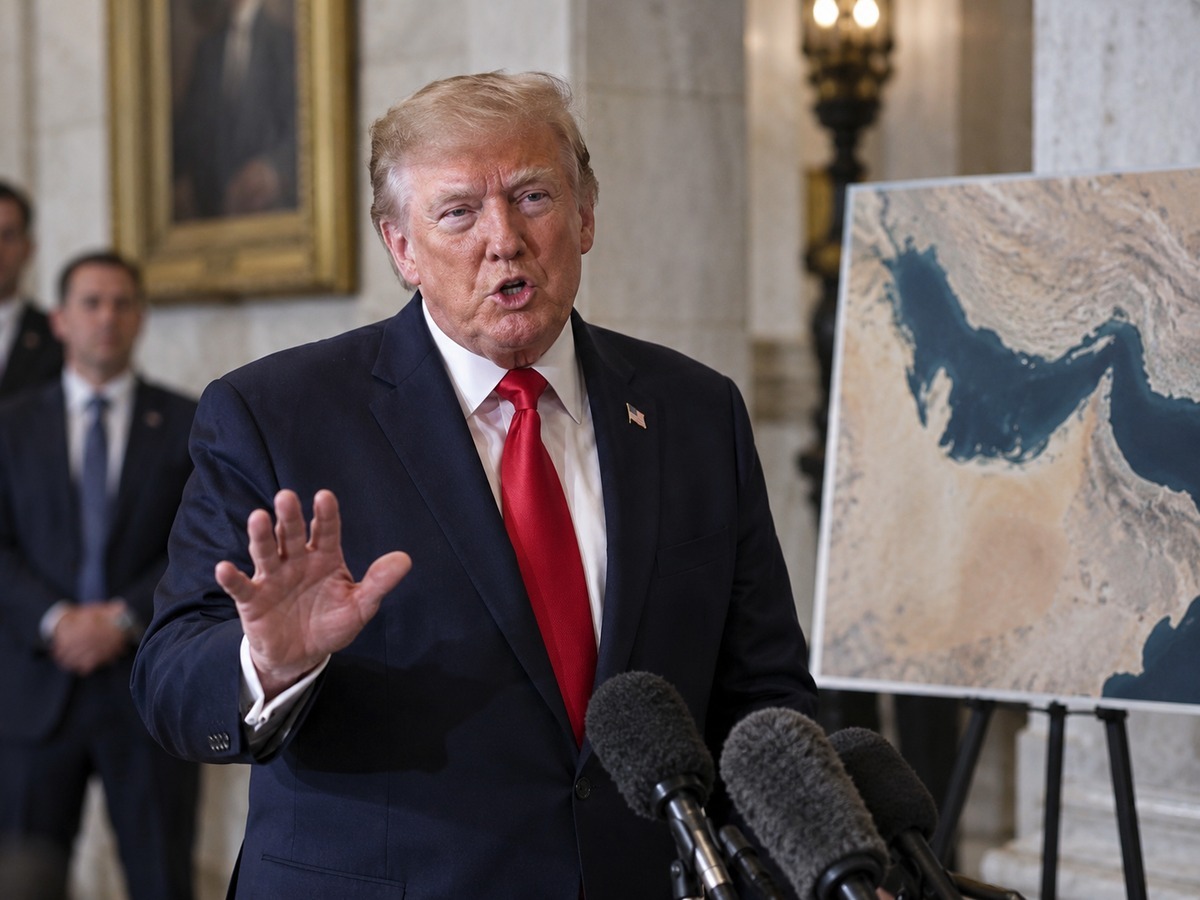
President Donald Trump has rejected Iran’s latest proposal to reopen the Strait of Hormuz and restart negotiations aimed at ending the conflict, leaving one of the world’s most important energy corridors at the centre of continuing diplomatic uncertainty.
CBS News reported that the Iranian proposal called for the strait to reopen within seven days if a series of conditions were met. Those conditions were described as including a broader halt to hostilities in the Middle East and elements connected to an earlier ceasefire framework that later broke down. Trump said Saturday that the terms offered by Tehran were not acceptable, even as he indicated that he remained open to reaching an agreement.
Iranian Foreign Minister Abbas Araghchi said Sunday that Tehran was standing by its proposal and was waiting for mediators to formally communicate Washington’s definitive position. He said Iran would decide its next steps after receiving that response, suggesting that diplomatic channels had not been completely closed despite the rejection.
The dispute is closely tied to control and access through the Strait of Hormuz, the narrow passage connecting the Persian Gulf with the Gulf of Oman. The waterway is strategically important because large volumes of global oil and natural gas exports pass through it. Restrictions on shipping have contributed to wider concerns about energy supplies and fuel prices as the regional conflict continues.
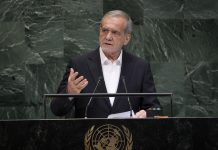
CBS News also reported that Iranian President Masoud Pezeshkian had said Iran could allow United Nations nuclear inspectors into the country as part of a possible longer-term ceasefire arrangement. That position adds another element to negotiations that involve not only shipping access but also Iran’s nuclear programme, sanctions, oil exports and frozen Iranian assets.
The latest developments have also prompted renewed debate in Washington. Republican Senator John Kennedy of Louisiana said Sunday that he did not consider Iran’s proposal a serious offer and argued that the United States should continue sanctions and other pressure. He also acknowledged that the partial closure of the strait was affecting oil prices and said a settlement or another course of action would eventually be needed.
Regional governments are also watching the negotiations closely because disruption in the Strait of Hormuz can affect international shipping and energy markets far beyond the Middle East. Oman has continued to present itself as a mediator and has called for restraint and dialogue, while other Gulf states have stressed the importance of keeping major maritime routes open.
For now, the rejection does not appear to have ended diplomatic efforts entirely. Iran says it is awaiting a formal response through mediators, while the United States has not announced acceptance of a revised framework. The next stage will depend on whether negotiators can narrow differences over the terms for reopening the strait, sanctions relief and a broader ceasefire.