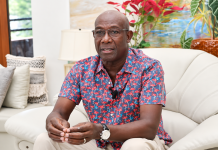

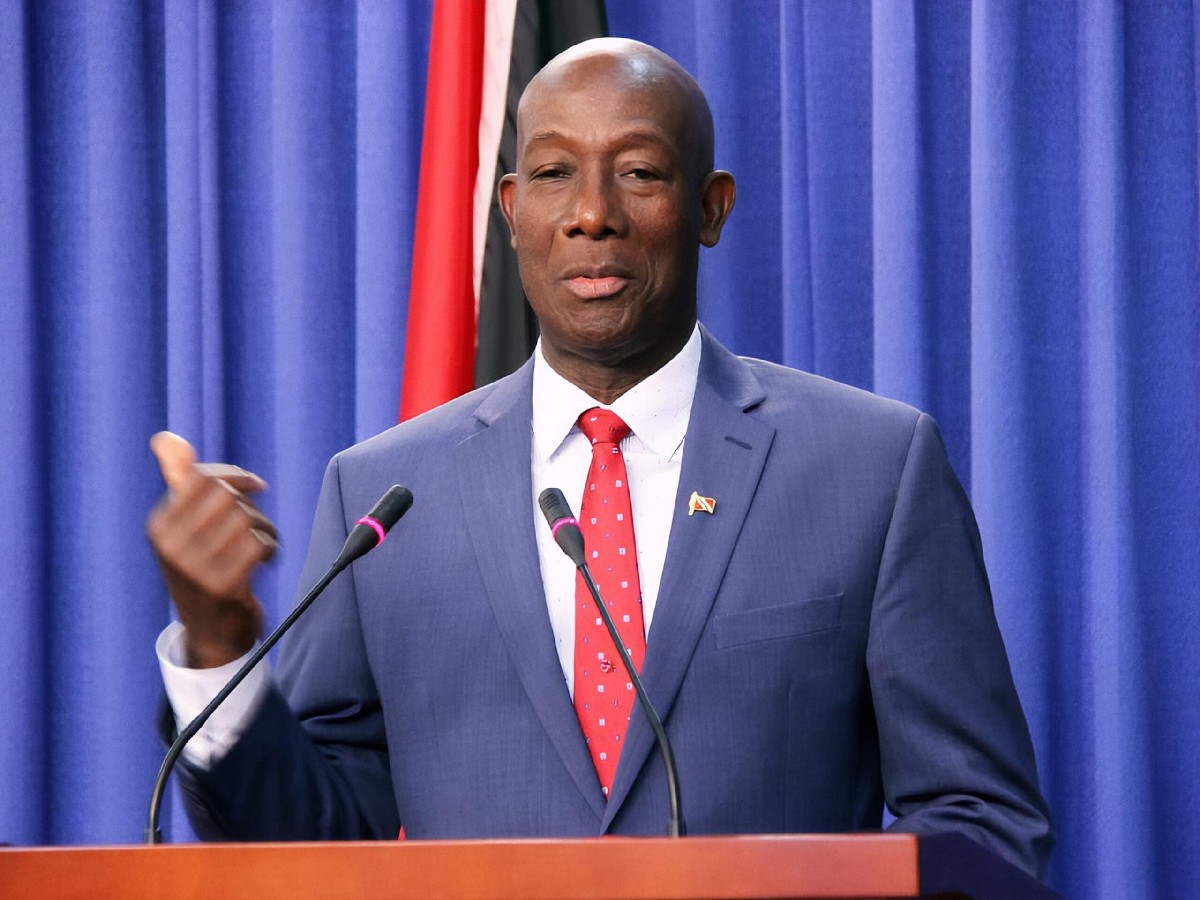
Former Prime Minister Dr Keith Rowley has accused the UNC Government of being “drunk with power”, claiming its treatment of Independent Senators represents an attempt to weaken constitutional safeguards and silence opposition to government policy.
In a strongly worded statement titled “When Power Corrupts”, Rowley condemned what he described as an “unwarranted, sustained, vulgar attack” on Independent Senators.
The former prime minister argued that Independent Senators have an important role in scrutinising legislation and guarding against governmental excesses. He claimed recent criticism directed at them suggested the Government was unwilling to accept constitutional constraints or objections to its policies.
Rowley further accused the administration of attempting to “neuter, frighten, and render ineffective” the participation of Independent Senators in Parliament, characterising the alleged conduct as a form of power grabbing.
He said efforts to address crime should not be used to justify what he described as abuse of power, constitutional sidestepping or governmental overreach.
Rowley also criticised Prime Minister Kamla Persad-Bissessar’s approach to crime and national security, alleging that the Government was encouraging racial, ethnic and geographical divisions within Trinidad and Tobago.
He warned against attempts to separate communities or portray particular areas and groups as responsible for the country’s wider security challenges.
“It is foolish to think that on these little islands we can barricade and demonize one group or area so as to bring safety and Nirvana to another,” Rowley said.
He argued that Trinidad and Tobago must confront crime collectively rather than allow the issue to deepen divisions within the population.
“We either fight crime together and win, or the criminals will win by our actions of tearing ourselves apart,” he said.
Rowley concluded his statement with the warning: “We have been warned.”
The accusations represent Rowley’s characterisation of the Government’s actions and political approach.