

Trinidad Detention Controversy Lands in The New York Times Spotlight
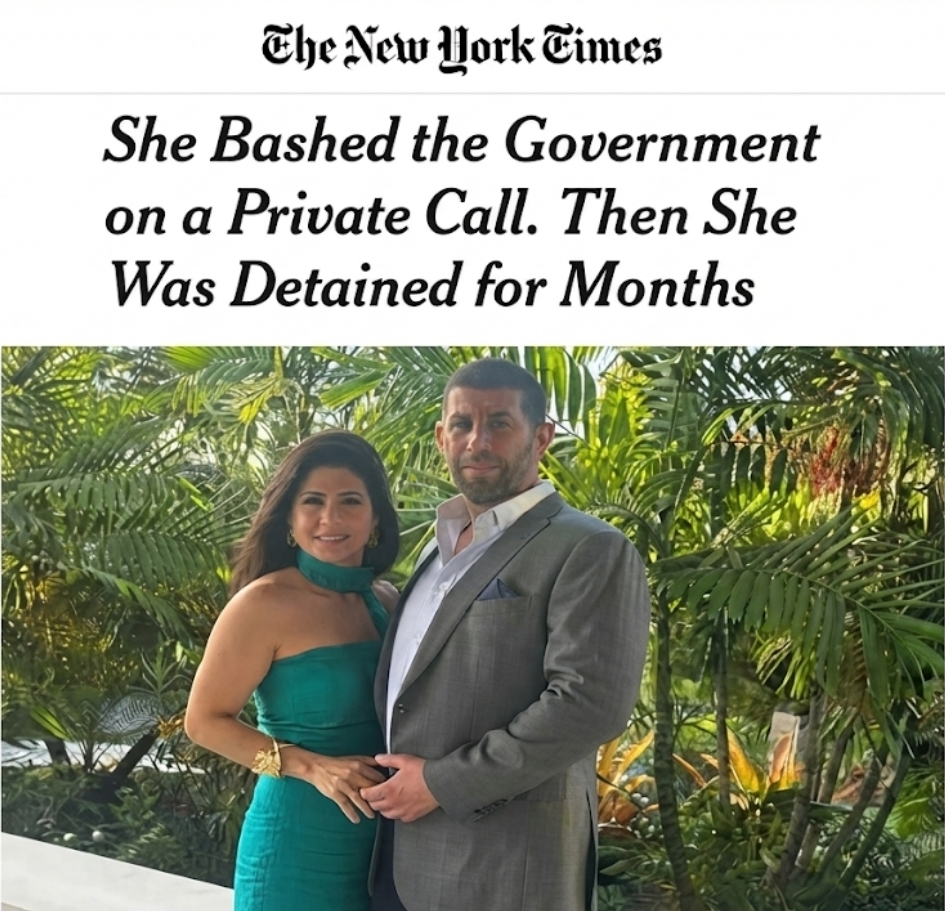
A Trinidad and Tobago controversy involving Star Sabga and businessman Dominic Hadeed and his wife, Genevievre Hadeed, has moved firmly onto the international stage after The New York Times published an extensive report examining their detention under the country’s State of Emergency.
The September 14 report, headlined “She Bashed the Government on a Private Call. Then She Was Detained for Months,” places the case before a global audience while examining questions surrounding surveillance, preventive detention, emergency powers and political and ethnic tensions in Trinidad and Tobago.
At the centre of the report is a private telephone conversation between Sabga and her niece, Genevievre Hadeed.
According to The New York Times, authorities intercepted the June 11 conversation, during which Sabga angrily criticised the government and made several inflammatory statements, including references to politicians being targeted or killed.
Homeland Security Minister Roger Alexander later cited excerpts from the conversation in court documents, describing the statements as part of what authorities considered possible threats against people in public life. Sabga maintained that her remarks had been taken out of context.
Less than two weeks after the call, police raided the Hadeeds’ home and seized electronic devices. Dominic and Genevievre Hadeed were subsequently detained, along with Sabga, over allegations concerning a plot to assassinate Prime Minister Kamla Persad-Bissessar and other senior government officials.
All three denied the allegations.
The Hadeeds were held without charges for nearly a month before being released. Reuters reported in July that the couple were freed after Alexander accepted a tribunal’s recommendation that continuing their detention was not in the public interest.
Sabga remained detained for considerably longer, first in prison and later under house arrest. The Times reported that her detention order was eventually revoked after more than two months.
The international report also highlighted allegations about conditions during detention. Sabga and Genevievre Hadeed said in affidavits that they were subjected to strip searches and held in unsanitary conditions while incarcerated. These claims are attributed to their sworn accounts and should not be treated as independently established findings.
The controversy has also raised questions about how the authorities came to intercept the private conversation. The Times reported that authorities had not publicly explained why that particular call was being monitored, beyond statements in court documents concerning the monitoring of persons of interest.
The case has now become more than a local political controversy.
The New York Times placed the Trinidad and Tobago situation alongside wider debates across Latin America and the Caribbean over governments using emergency powers to confront violent crime while civil-liberties advocates question the consequences of detention without charge and expanded law-enforcement powers.
Local media have since highlighted the international attention generated by the Times report, including its discussion of the Syrian-Lebanese community, the revocation of US visas and allegations surrounding the treatment of the detainees.
No criminal charges relating to the alleged assassination plot were brought against Sabga or the Hadeeds during their detention.
What began with a private telephone conversation and a series of arrests in Trinidad and Tobago has therefore developed into an internationally reported story about the limits of state power, surveillance and civil liberties during a national security emergency.