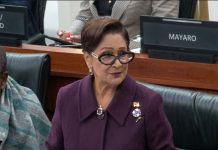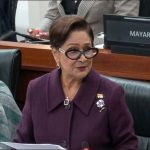

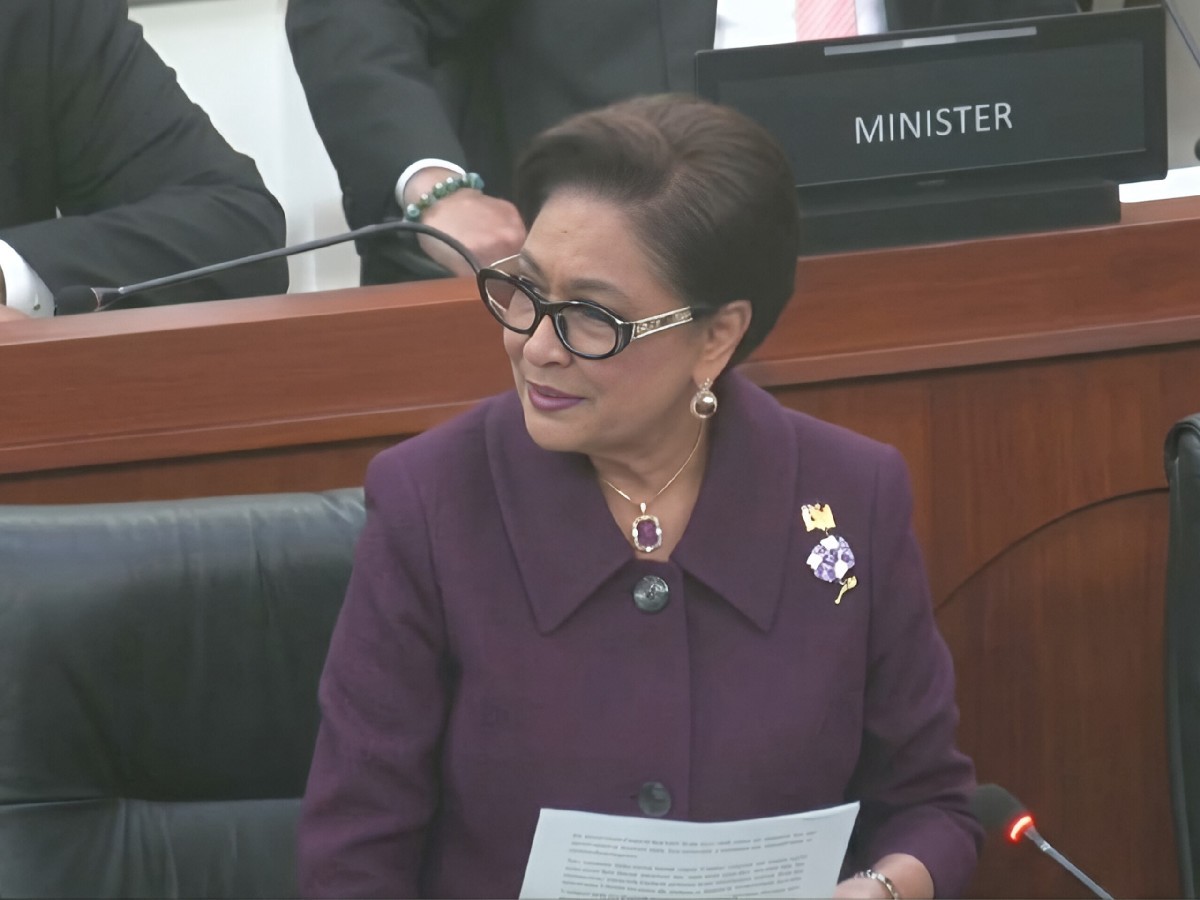
Prime Minister Kamla Persad-Bissessar has announced that the revised Special Operations Bill 2026 will be debated in the House of Representatives on Friday, September 18, as the Government moves to establish a new targeted crime-fighting framework following the end of the State of Emergency.
Persad-Bissessar said the legislation is designed to allow the protective services to conduct special operations in designated policing districts where violent crime, gang activity and illegal weapons pose serious threats.
Police would lead operations within designated areas, with support from the Trinidad and Tobago Defence Force where necessary.
The Commissioner of Police would be responsible for appointing a head of special operations for each district, while the Chief of Defence Staff would appoint a head of military assistance where Defence Force support is required.
Within designated areas, authorities would be able to establish cordons, impose temporary curfews, regulate entry and departure and exercise enhanced powers of search, seizure, arrest and detention.
Persad-Bissessar stressed that those powers are intended to target criminal activity and not lawful behaviour.
She argued that gangs which impose illegal curfews, extort businesses, recruit children and force families from their homes are attempting to replace the authority of the State with what she described as the authority of the “criminal gun”.
The Prime Minister said the revised legislation also introduces safeguards governing how the enhanced powers can be exercised.
Police officers conducting special operations and Defence Force members providing military assistance would be required to receive training in human rights, lawful use of force, engagement with residents and conflict de-escalation.
Personnel participating in special operations would also be required to wear body cameras.
The legislation would provide for weapons to be registered and complaints to be formally recorded, while detainees would be entitled to medical care and visitation rights.
Persad-Bissessar repeatedly stressed that enhanced powers of search, arrest and detention would remain subject to judicial oversight.
The Bill would also establish reporting requirements for operations, with reports submitted to the Prime Minister and ministers responsible for the Police Service and Defence.
The Prime Minister would additionally be required to lay an annual report before Parliament.
Persad-Bissessar said the 2026 Bill has been revised from the version previously debated in Parliament, commending the Attorney General and his legal team for their work on the new legislation.
She described the revised framework as combining strong operational powers with protections for citizens, judicial oversight and parliamentary accountability.
The Prime Minister said the legislation is intended to preserve gains the Government says were achieved during the recently concluded six-month State of Emergency without requiring another nationwide emergency.
Citing the Government’s operations report, Persad-Bissessar said 5,802 people were arrested by day 191 of the State of Emergency, with 3,550 charged, representing a reported charge rate of 61.3 per cent.
She said 2,154 people faced serious criminal charges involving offences including firearms and ammunition, robbery, narcotics trafficking, fraud, sexual offences, home invasion, murder and kidnapping.
Persad-Bissessar also argued that special operations must target the wider criminal economy supporting violent crime, including illegal drugs, firearms and criminal proceeds.
She cited major cocaine seizures and claimed that security services have seized approximately $1 billion worth of illegal drugs since her Government came into office.
Persad-Bissessar said her Government would uphold the Constitution and due process while prioritising the protection of law-abiding citizens and communities affected by violent crime.
She confirmed that the Special Operations Bill 2026 has been laid in the House and is scheduled for debate on Friday, September 18, after which it is expected to proceed to the Senate.