

The world has entered a “danger zone of extreme weather” as a rapidly intensifying El Niño threatens to drive dangerous heat, drought and flooding into 2027, United Nations Secretary-General António Guterres has warned.
“El Niño is being supersized before our eyes,” Guterres said, describing a planet in “uncharted waters” as ocean and atmospheric temperatures continue to rise.
The World Meteorological Organization confirmed on Thursday that El Niño is firmly established and is expected to reach “very strong” intensity before peaking near the end of 2026. Its forecasting centres report a nearly 100 per cent likelihood that the event will persist through February 2027.
The United States National Oceanic and Atmospheric Administration places the probability of a very strong event above 90 per cent. It also estimates a 69 per cent chance that El Niño could exceed the strength of every event recorded since 1950 during the October-to-December period.
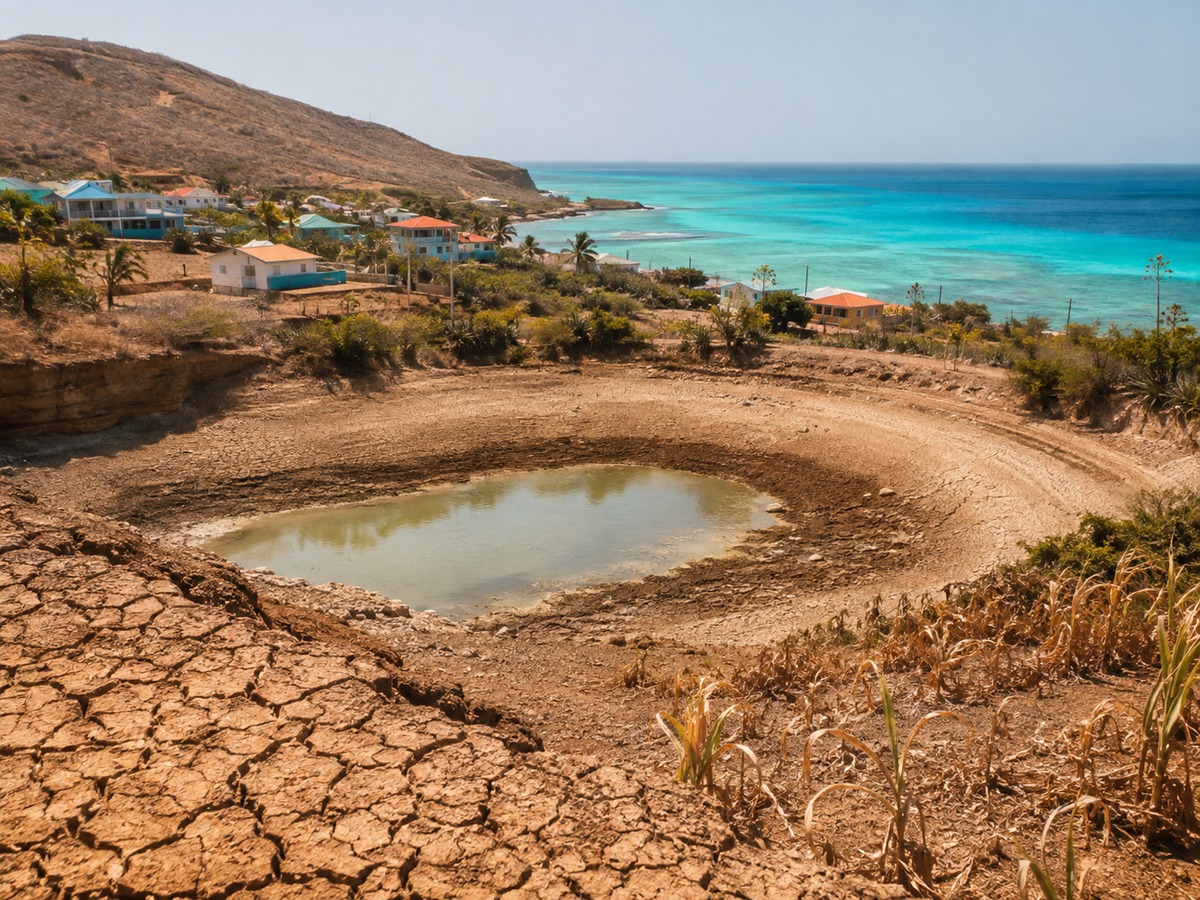
For Caribbean small island developing states, the danger could arrive without a hurricane. The WMO forecasts unusually high temperatures across the region, with drier-than-normal conditions possible in parts of the Caribbean during August to October.
Prolonged heat and reduced rainfall could strain reservoirs, agriculture and electricity systems, increase cooling costs and worsen wildfire risk. Exceptionally warm seas may also damage coral reefs, fisheries and tourism-dependent coastal economies.
El Niño generally suppresses Atlantic hurricanes by increasing wind shear, and NOAA forecasts a 55 per cent chance of a below-normal 2026 season. That is no guarantee of safety. Even a quiet season can produce a devastating storm.
WMO Secretary-General Celeste Saulo has called for “exceptional preparation”, warning governments: “We have no time to lose.”