
Trump’s Historic Venezuela Oil Deal Could Reshape Trinidad And Tobago’s Future Energy Access Strategy
A massive new United States oil agreement with Venezuela could have major implications for Trinidad and Tobago as Washington dramatically expands its financial and strategic influence over Venezuela’s energy sector.
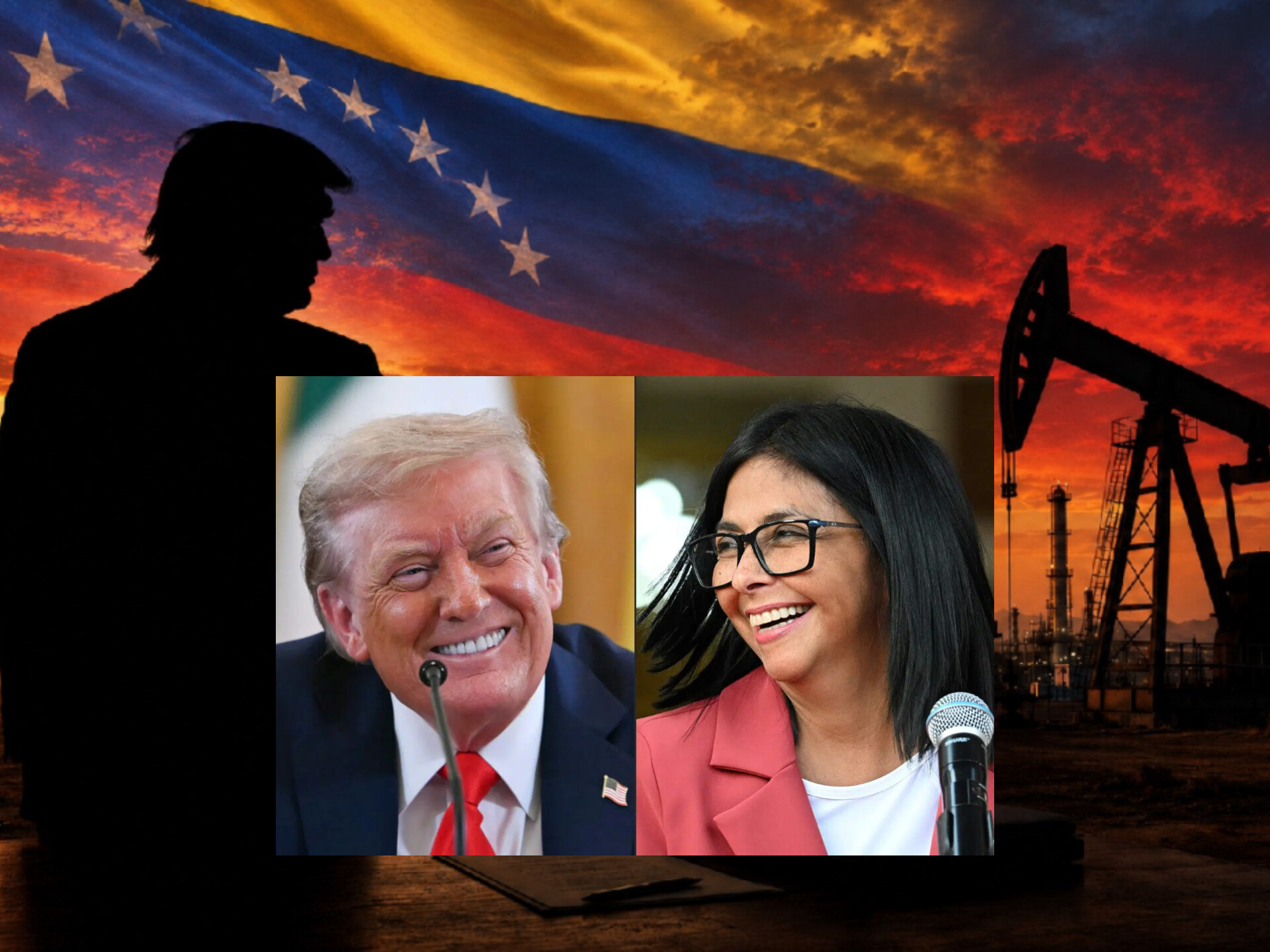
US President Donald Trump announced on Friday that the United States had entered what he described as the “biggest oil deal in world history,” securing majority US control over more than 65 billion barrels of Venezuela’s proven oil reserves through a partnership involving private business.
The agreement covers 17 Venezuelan oil fields and could attract approximately US$100 billion in private investment. US officials have also indicated that the venture has been granted rights lasting 100 years to develop the fields.
The arrangement would give the United States a 55 per cent effective interest in the new venture through a combination of ownership and rights to purchase oil at cost.
While the agreement primarily concerns oil rather than natural gas, its significance for Trinidad and Tobago lies in the increasingly important role Washington could play in the future development of Venezuela’s wider energy industry.
Trinidad and Tobago has spent years pursuing Venezuelan natural gas to supplement declining domestic supplies and provide additional feedstock for its LNG and petrochemical industries.
The Dragon gas field is particularly important.
Dragon lies in Venezuelan waters close to Trinidad and Tobago, with plans calling for gas to be transported through a pipeline to Shell’s Hibiscus platform in Trinidadian waters.
Development of Dragon historically required Trinidad and Tobago, NGC and Shell to obtain US sanctions authorization because of restrictions surrounding Venezuela’s energy sector.
There have recently been signs of renewed momentum.
On August 19, Venezuelan authorities announced that Dragon had formally moved from planning towards the infrastructure execution and eventual production stage. Shell presented an updated technical concept for transporting gas from Dragon to the Hibiscus platform, while Venezuelan authorities projected the formal restart of field operations by December 2026.
The wider Loran-Manatee resource is also advancing.
Manatee is located on Trinidad and Tobago’s side of the maritime boundary and is being independently developed by Shell. Loran lies in Venezuelan waters.
Venezuela awarded Shell rights for the first phase of Loran development in June. A second phase was subsequently awarded to a consortium involving BP, Abu Dhabi-based XRG and Qatar’s UCC Holding.
These developments mean Trinidad and Tobago could eventually become an important processing destination for substantially greater volumes of Venezuelan natural gas.
Trump’s new oil agreement, however, introduces another major player into that equation.
Washington is no longer positioned only as the government whose sanctions policies can determine whether companies are permitted to participate in Venezuelan energy projects. Under the newly announced arrangement, the United States is also seeking a substantial direct economic interest in Venezuelan petroleum production.
That could potentially benefit Trinidad and Tobago.
Greater US investment and a more commercially open Venezuelan energy sector could make it easier for international companies to finance projects, rebuild infrastructure and move Venezuelan resources into production.
If that broader opening extends to natural gas, projects capable of supplying Trinidad and Tobago could potentially advance faster.
But it also creates strategic uncertainty.
American companies and investors will naturally pursue projects that best serve their commercial interests, while the US government will have its own energy-security priorities.
Trinidad and Tobago will therefore have to ensure that its geographic advantage, existing LNG infrastructure, petrochemical plants and decades of gas-processing expertise keep the country commercially attractive as Venezuela’s energy sector undergoes potentially historic changes.
The Trump agreement does not itself hand Washington control over Dragon, Loran or Manatee, and the exact legal structure of the oil arrangement remains subject to significant questions.
However, it represents a major change in the political and commercial environment surrounding Venezuelan energy.
For Trinidad and Tobago, that makes the coming negotiations particularly important.
The country could find itself exceptionally well positioned to benefit from Venezuela’s reopening because much of the infrastructure needed to process and export natural gas already exists just across the maritime border.
The opportunity is substantial.
So is the competition.
Article and image source: instagram.com