

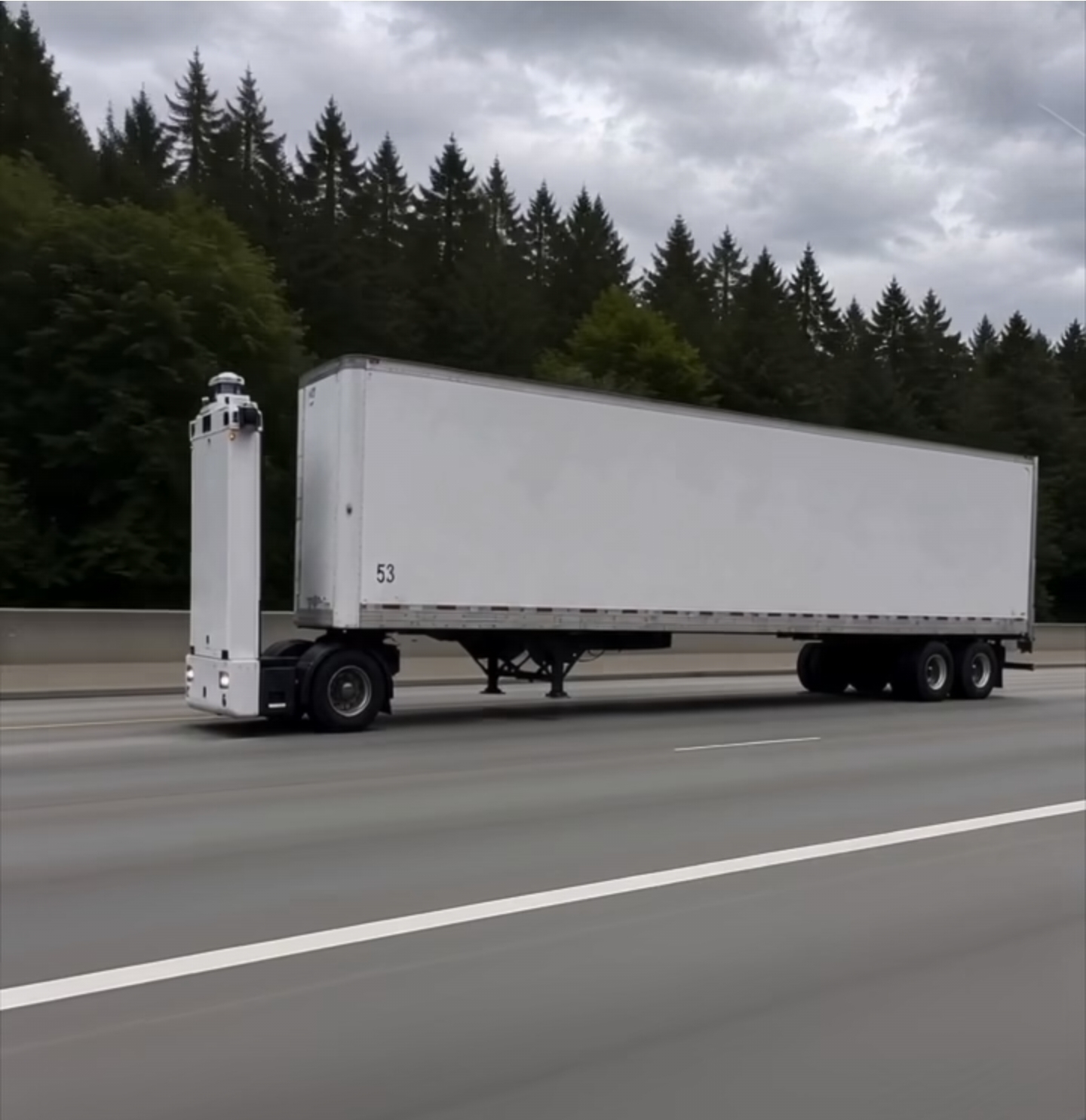
China is accelerating the rollout of autonomous freight transport, with driverless semi-trucks now actively operating on selected public highways. These vehicles form a key part of the nation’s growing smart logistics network, designed to transform how goods move across long distances.
Equipped with an array of advanced sensors—including cameras, radar, and LiDAR—along with artificial intelligence, the trucks can navigate routes, detect obstacles, maintain safe following distances, and adapt to changing road conditions with minimal human input. The technology aims to handle the most demanding aspects of long-haul trucking.
Several technology companies and logistics firms have been testing and deploying these autonomous systems in designated regions. The primary objectives are to boost operational efficiency, lower transportation costs, and address persistent driver shortages that have challenged the industry.
While human safety operators may still be present during certain phases of deployment, the technology continues to expand as regulatory frameworks evolve. As adoption increases, driverless freight vehicles are becoming an increasingly common sight on China’s highways, signaling a major shift in the future of logistics and commercial trucking.