

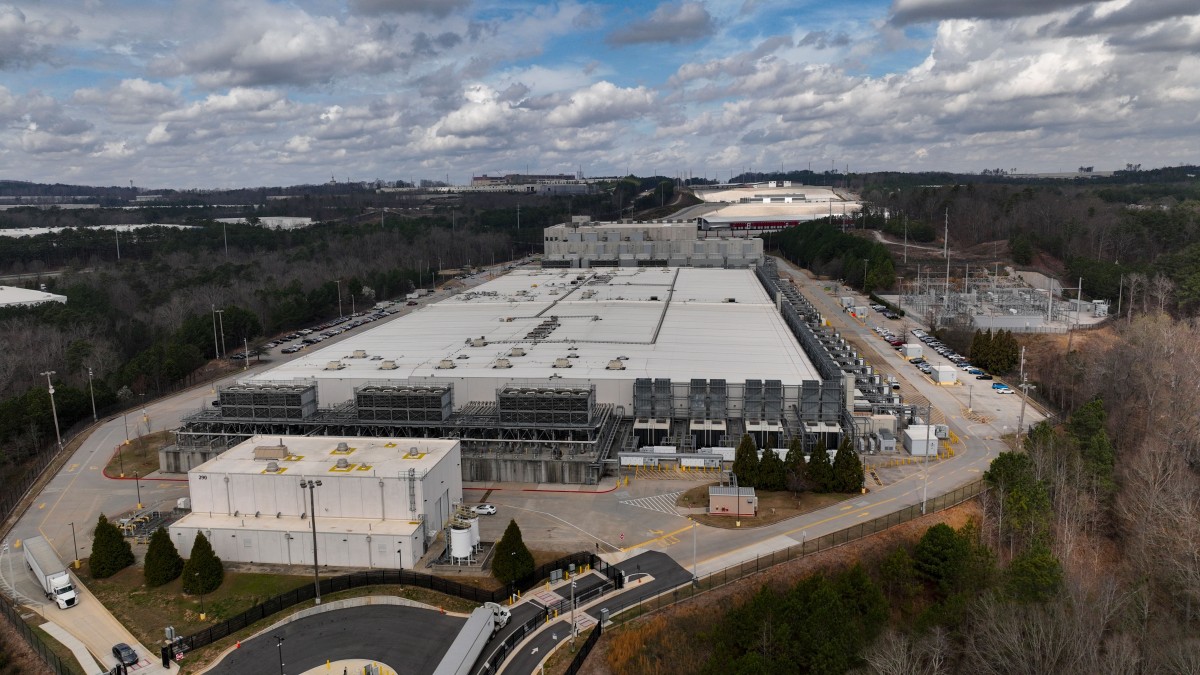
As debate continues over proposed artificial intelligence (AI) data centre investments in Trinidad and Tobago, one question keeps surfacing: Does the country already have data centres?
The answer is yes.
While recent headlines have sparked discussion about a purported “secret” data centre, Trinidad and Tobago has hosted commercial data centres for many years. These facilities quietly power businesses, banks, government agencies, telecommunications providers and cloud-based services every day.
Among the country’s established facilities is the Informatics Engineering Services Limited Data Centre in Charlieville, which officially opened in 2015. The purpose-built facility was promoted as one of the largest and most advanced data centres in the Caribbean and Latin America.
Other major facilities include Digicel Business’ Tier III Data Centre in Port of Spain, which provides cloud computing, disaster recovery and enterprise infrastructure services; Fujitsu Caribbean’s Tier III-certified Data Centre in Barataria; and the TSTT Mausica Data Centre, which supports telecommunications and enterprise operations throughout Trinidad and Tobago and the wider Caribbean.
So if data centres already exist, why has the issue suddenly become such a major talking point?
The answer lies in the type of infrastructure now being discussed.
Traditional enterprise data centres primarily store information, host applications, provide cloud services and ensure business continuity. AI data centres, on the other hand, are designed to support artificial intelligence on a massive scale. They require thousands of high-performance processors, significantly more electricity, advanced cooling systems and billions of dollars in investment.
In other words, while both are data centres, they are not necessarily the same in purpose or scale.
The recent public debate has therefore shifted beyond the simple question of whether Trinidad and Tobago has data centres. Instead, attention is focusing on what new AI facilities could mean for the country’s energy resources, digital infrastructure, economy, cybersecurity and long-term technology strategy.
At the same time, some social media users have questioned a photograph used in a recent media report discussing an alleged “secret” data centre. They claim the image is an archived photograph from an unrelated story showing a warehouse at ETeck’s business park in Savonetta, Point Lisas, rather than the facility referenced in the report.
Those claims have not been independently verified, and no public response regarding the photograph had been issued at the time of publication.
The discussion has also revived memories of previous technology initiatives. During earlier administrations, proposals for technology and data infrastructure—including projects linked to the Tamana InTech Park—were also promoted as part of Trinidad and Tobago’s digital development strategy.
As public interest grows, industry observers say the conversation should move beyond whether data centres already exist and instead focus on the more important questions: What exactly is being proposed? Who will own and operate these facilities? How will they be powered? What benefits will they bring to Trinidad and Tobago? And what safeguards will be in place?
For many, those are the questions that will ultimately determine whether the country’s next generation of digital infrastructure represents a transformative opportunity or simply another political debate.